


Are you eager to gain hands-on medical experience in a global setting? Medical Internships Abroad provide students and young professionals with the opportunity to develop clinical skills while working in international healthcare environments. These programs combine practical experience, mentorship, and cultural immersion, preparing participants for successful careers in medicine and healthcare.
Why should you consider an international medical internship? Working abroad exposes interns to different healthcare systems, medical practices, and patient care approaches. This experience helps develop adaptability, critical thinking, and cross-cultural communication skills. Employers and medical schools value international internships because they demonstrate initiative, professionalism, and the ability to work effectively in diverse healthcare environments.
Which healthcare settings can you explore during a medical internship abroad? Interns may work in hospitals, clinics, research facilities, and specialized medical departments. Areas of focus often include general medicine, surgery, pediatrics, public health, and nursing. By participating in diverse clinical placements, interns gain firsthand experience in patient care, medical procedures, and healthcare management practices.
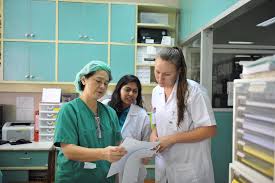
How can medical internships abroad enhance your clinical skills? Interns are actively involved in patient interactions, diagnostic procedures, and laboratory work under professional supervision. This exposure strengthens technical skills, medical knowledge, and clinical reasoning. Additionally, working in international settings helps interns navigate different healthcare protocols and develop problem-solving skills relevant to diverse patient populations.
Can interning abroad expand your professional network? Yes. Medical internships abroad provide opportunities to connect with doctors, nurses, researchers, and fellow interns from around the world. Networking during these placements can lead to mentorship, career guidance, and future opportunities in global healthcare. Building these professional relationships often proves invaluable for long-term career growth and international collaborations.
How does cultural immersion complement your medical internship? Living and working abroad exposes interns to different cultures, languages, and healthcare practices. This cultural experience broadens perspectives, improves adaptability, and enhances communication skills. Understanding cultural differences is crucial for effective patient care, helping interns become more empathetic, culturally aware, and globally competent healthcare professionals.
Why choose a structured medical internship program abroad? Structured programs provide mentorship, clear guidance, and support throughout the placement. Interns receive professional supervision to ensure safe, effective, and educational experiences. These programs are designed to maximize learning opportunities, improve clinical competence, and build confidence in a supportive environment.
What long-term benefits can medical internships abroad provide? Beyond immediate hands-on experience, these internships significantly enhance employability and professional development. Interns gain insights into global healthcare practices, clarify career goals, and develop skills sought by employers and medical schools. The combination of practical experience and cultural competence prepares participants for competitive healthcare careers worldwide.
In conclusion, Medical Internships Abroad offer a unique opportunity to build clinical skills, gain international exposure, and develop a global perspective on healthcare. By participating in structured placements, interns enhance their technical knowledge, expand professional networks, and strengthen their career prospects. For aspiring healthcare professionals seeking meaningful, hands-on experience in diverse medical environments, interning abroad provides an invaluable platform for personal and professional growth.