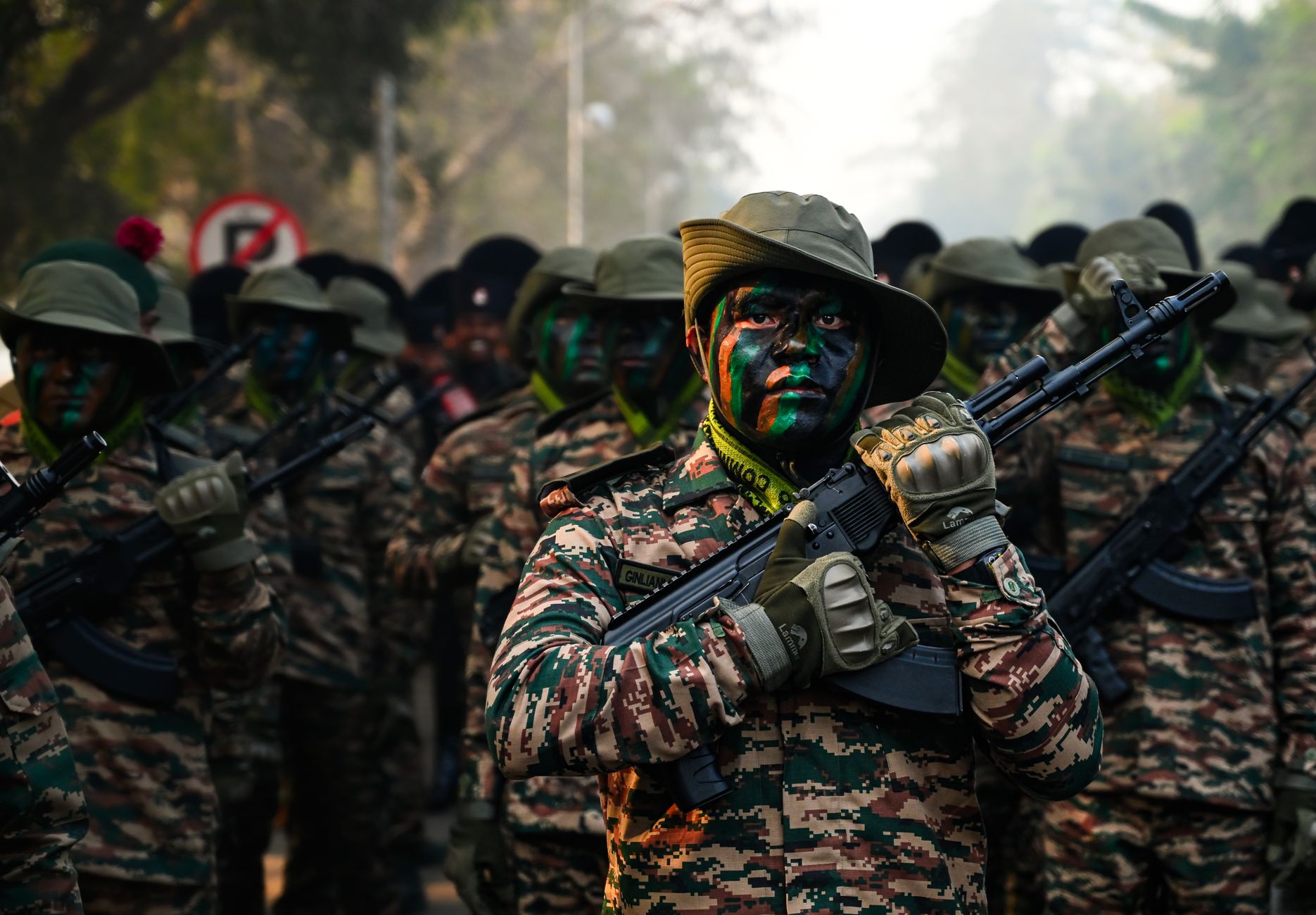
The India-China military face-off has triggered a $185 million loan freeze by Beijing, raising concerns about diplomatic relations and regional stability.
Background of the India-China military face-off
The ongoing tensions between India and China have escalated into a significant military face-off, impacting diplomatic and economic relations between the two nations. This confrontation began in May 2020, when clashes occurred in the Galwan Valley, resulting in casualties on both sides and a subsequent increase in military presence along the Line of Actual Control (LAC).
In response to the heightened tensions, India has sought to strengthen its military capabilities, while China has increased its infrastructure projects in border areas. The situation has led to a re-evaluation of bilateral agreements and cooperation initiatives.
Most recently, the military face-off has triggered serious repercussions, such as China’s decision to freeze a $185 million loan intended for infrastructure projects in India. This action highlights the broader implications of the military standoff, affecting not only military strategies but also economic partnerships in the region.
As both countries navigate this complex landscape, the international community watches closely, anticipating further developments in the India-China military face-off.
Details of the $185mn loan freeze
The recent escalation in the India-China military face-off has led to significant financial repercussions, particularly concerning a $185 million loan freeze imposed by Beijing. This decision has been largely viewed as a diplomatic maneuver in response to heightened tensions along the disputed border.
Sources indicate that the loan was initially intended for developmental projects in India, aimed at enhancing infrastructure and fostering economic growth. However, the shifting geopolitical dynamics have prompted China to reassess its financial commitments. The freeze may not only stall ongoing projects but also impact future collaborations between the two nations.
Analysts suggest that this move could have broader implications, including:
- A decline in investor confidence in bilateral relations.
- Difficulties in securing international financing for similar initiatives.
- Potential repercussions on regional stability and cooperation.
As the situation unfolds, stakeholders are closely monitoring how this freeze will affect not just the two countries involved, but also the wider geopolitical landscape in Asia.
Implications for India-China relations
The recent India-China military face-off has significant implications for the future of bilateral relations between the two nations. As tensions escalate, both countries are compelled to reassess their diplomatic strategies and military postures.
The freeze of a $185 million loan by Beijing marks a pivotal moment, highlighting the fragility of economic ties amidst military disputes. This action may lead to a cooling of trade relations, impacting various sectors, including technology and infrastructure development.
Furthermore, the face-off raises concerns about regional stability in South Asia. With both nations strengthening their military capabilities, the possibility of an arms race could emerge, increasing the risk of miscalculation along the border.
Moving forward, the international community will be closely monitoring these developments. Increased dialogue and confidence-building measures will be crucial for de-escalation. The long-term impact of the military face-off on India-China relations remains to be seen, but the stakes have never been higher.
Reactions from international observers
International observers have reacted strongly to the recent India-China military face-off, highlighting its potential implications for regional stability. Analysts emphasize that the escalation of tensions could lead to a recalibration of alliances in Asia.
Many experts note that the military confrontation signifies a shift in how both nations approach border disputes. A prominent political analyst stated, “This incident underscores the fragility of peace in the region and the need for diplomatic engagement.”
Furthermore, several countries have expressed concern over the growing military presence along the Line of Actual Control (LAC). Observers from the United States have urged both nations to engage in dialogue to de-escalate the situation.
In addition, various think tanks are calling for increased international dialogue to address the underlying issues. They argue that failure to resolve these tensions could lead to a broader conflict with far-reaching consequences.
As the situation unfolds, the global community watches closely, hoping for a peaceful resolution.
Future prospects for diplomatic negotiations
The ongoing India-China military face-off has raised critical questions about the future of diplomatic negotiations between the two nations. As tensions escalate, leaders from both sides have expressed the necessity for dialogue, yet the path forward remains fraught with challenges.
An immediate priority for both countries is to establish a framework that ensures de-escalation and promotes confidence-building measures. Diplomatic engagement could potentially address not only military concerns but also economic ties, which have been strained by recent events.
Several analysts suggest that international pressure and mediation could play a significant role in facilitating discussions. Key factors influencing negotiations include:
- The need for mutual respect of sovereignty and territorial integrity.
- Economic interdependence, which may incentivize cooperation.
- The role of regional powers and global stakeholders in shaping outcomes.
Ultimately, the resolution of the India-China military face-off hinges on both nations’ willingness to engage in constructive dialogue.
The India-China military face-off has raised concerns about regional stability and security in Asia. Analysts suggest that the long-term implications of the India-China military face-off could reshape geopolitical alliances and defense strategies in the region.
Photo by Sudipto Chakrabarty on Pexels
Where this came from
You might also like
Edelweiss Financial Services NCD: Smart Investment Opportunity · India T20I squad: The Best Predictions for Japan Match · Jindal Supreme subscription: Is It Worth the Proven Success?