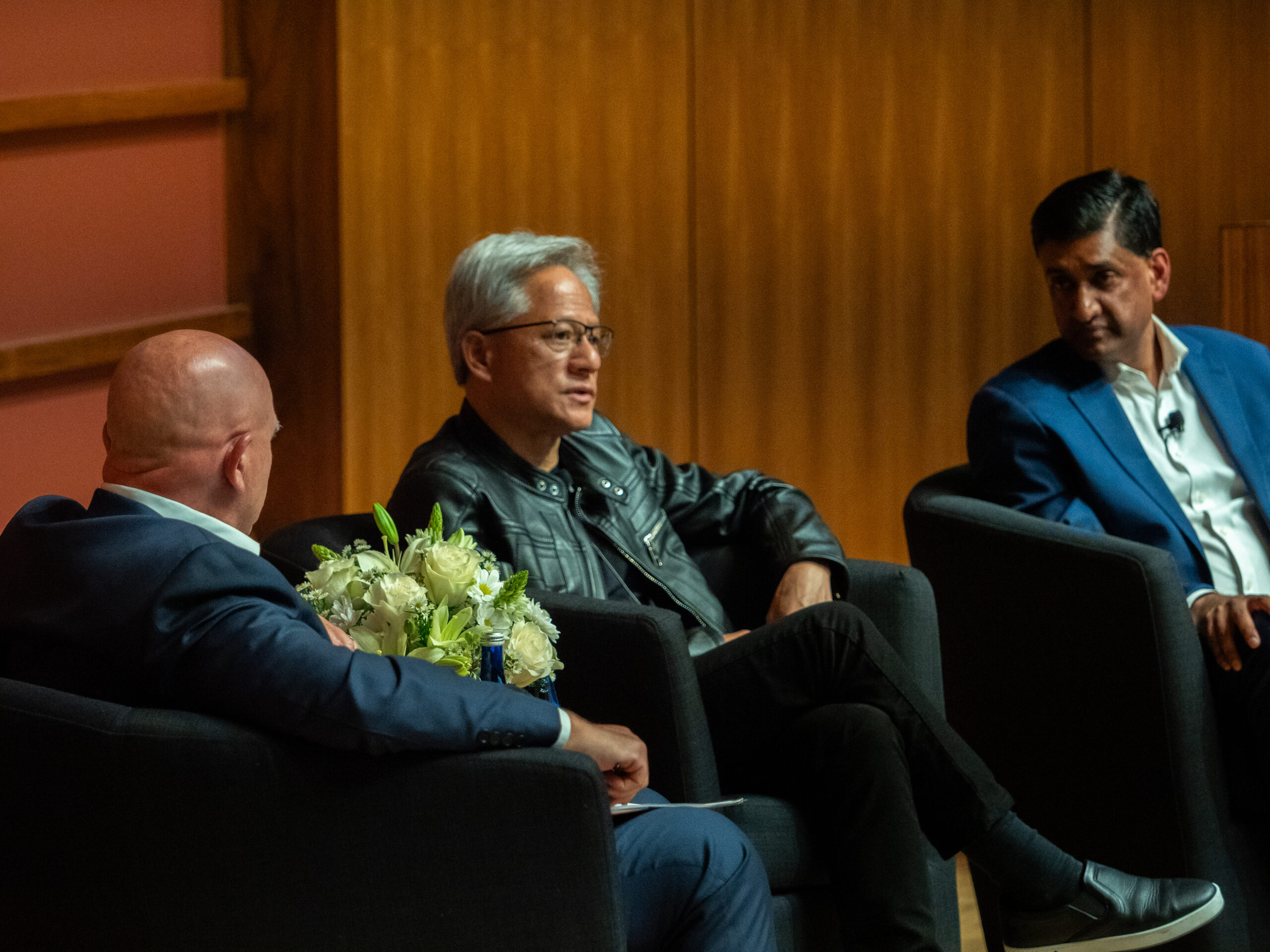
Jensen Huang national security concerns were addressed by the Trump administration, determining he posed no threat. This article explores the factors influencing this decision.
Overview of the Decision
The recent analysis of Jensen Huang’s status has provided clarity regarding the administration’s decision on national security concerns. After extensive evaluation, officials concluded that Huang does not pose a threat to national interests. The findings stem from several key factors:
- Background Checks: In-depth reviews revealed Huang’s commitment to ethical business practices.
- Industry Impact: His leadership at NVIDIA has been pivotal in advancing technology that benefits national defense.
- Collaborations: Huang’s partnerships with governmental agencies demonstrate a collaborative approach to innovation.
This determination not only reassures stakeholders but also emphasizes the importance of balancing security with technological advancement. As the focus on national security evolves, Jensen Huang’s contributions are recognized as vital to the country’s progress.
Key Factors in the Assessment
In assessing the implications of Jensen Huang’s position within the tech industry, several key factors were considered by the administration.
- Innovation Contributions: Huang’s leadership at NVIDIA has propelled advancements in artificial intelligence and computing, showcasing his commitment to technological growth.
- Global Collaboration: His efforts to foster international partnerships have positioned the U.S. at the forefront of technological innovation, emphasizing cooperation rather than competition.
- Regulatory Compliance: Huang has consistently adhered to industry regulations, demonstrating a commitment to national interests and security protocols.
- Economic Impact: The administration recognized that Huang’s work significantly contributes to the economy, creating jobs and driving investment in critical sectors.
Overall, these factors played a crucial role in the determination that Jensen Huang is not a national security threat, highlighting the importance of balancing innovation with security concerns.
Implications for National Security
The recent decision regarding Jensen Huang has significant implications for national security, reflecting a nuanced understanding of technological advancements and their potential risks. The administration’s assessment has underscored several key points:
- Innovation and Economic Growth: Recognizing Huang’s contributions to the tech industry, the administration acknowledges that fostering innovation can enhance national security.
- Global Competitiveness: By not labeling Huang a threat, the U.S. positions itself favorably in the global tech race, promoting collaboration rather than isolation.
- Talent Retention: The decision encourages skilled individuals like Huang to remain in the U.S., vital for maintaining a competitive edge in national security technologies.
- Balanced Approach: The administration’s stance indicates a willingness to evaluate potential risks without stifling growth, ensuring a balance between security and innovation.
Overall, the implications for national security highlight a strategic approach in navigating complex global challenges.
Reactions from the Tech Industry
Reactions from the tech industry regarding the Jensen Huang national security assessment have been mixed. Many leaders in the field expressed relief at the decision, emphasizing the importance of innovation and collaboration in technology development.
- Support for the Decision: Prominent figures, such as CEOs of major tech companies, praised the administration for recognizing Huang’s contributions to the industry and ensuring that national security does not hinder technological advancement.
- Concerns Raised: However, some experts voiced concerns that this decision might set a precedent, potentially complicating future assessments of tech leaders with ties to sensitive sectors.
- Future Implications: The general consensus is that maintaining a balance between national security and fostering innovation is crucial for the United States to remain competitive on a global scale.
Overall, the tech community is hopeful that this decision will pave the way for continued growth and collaboration.
Future of U.S.-China Relations
The future of U.S.-China relations remains uncertain, especially with the recent focus on figures like Jensen Huang in the national security framework. As the Biden administration continues to navigate complex geopolitical dynamics, several factors will influence the trajectory of these relations.
Experts predict that technology will play a pivotal role in shaping future interactions, emphasizing the need for cooperation over conflict. Key areas of concern include:
- Trade Policies: Adjustments in tariffs and export controls could impact both economies.
- Intellectual Property: Protecting innovations while fostering collaboration will be vital.
- Security Alliances: Strengthening partnerships with allies may be essential to counterbalance China’s influence.
Jensen Huang’s assessment in the context of national security suggests that the focus should be on constructive engagement rather than divisive tactics, promoting a more stable future for U.S.-China relations.
The recent discussions surrounding Jensen Huang national security have highlighted the administration’s focus on technological advancements. As industry leaders weigh in, Jensen Huang national security remains a pivotal topic in shaping future policies.
By Anders Eidesvik via Openverse