





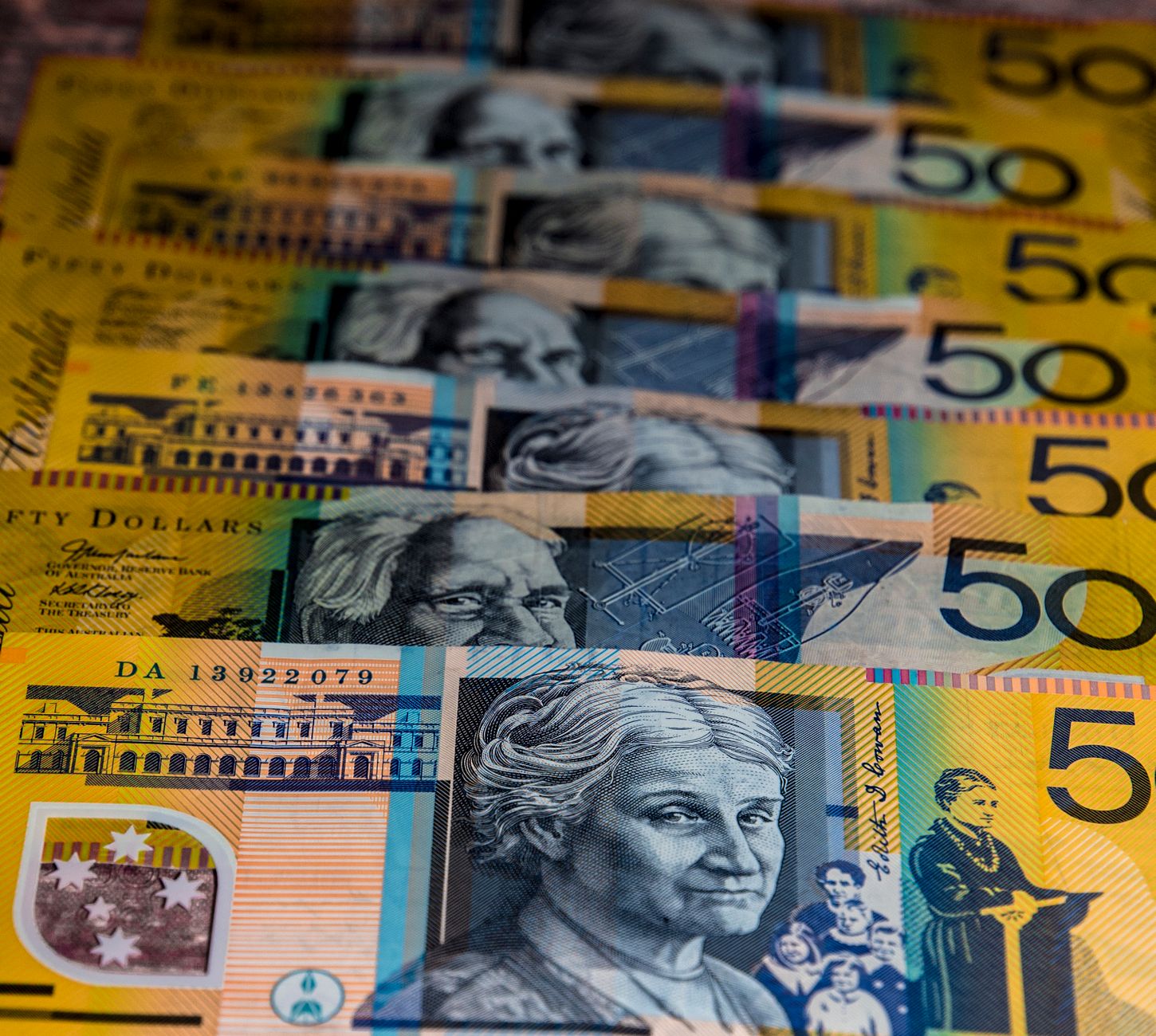
Polymer notes testing is at the forefront of India’s currency innovations. This proposed introduction of ₹10 and ₹20 notes aims to enhance durability and security in transactions.
What are Polymer Notes?
Polymer notes are a type of currency made from a synthetic polymer rather than traditional paper. These notes are designed to be more durable and secure, providing several advantages over their paper counterparts.
Countries around the world have adopted polymer notes for various reasons. Some key features include:
- Durability: Polymer notes can last up to five times longer than paper notes, reducing the frequency of replacements.
- Security: Advanced security features, such as transparent windows and holograms, make them more difficult to counterfeit.
- Hygiene: Polymer is easier to clean and less prone to absorb dirt and moisture, which can help in maintaining public health.
In recent discussions, countries like India are considering the introduction of ₹10 and ₹20 polymer notes, sparking debates about polymer notes testing. These tests aim to evaluate the performance and public acceptance of polymer currency, ensuring that the transition is both effective and beneficial for the economy.
How Will the Testing Work?
The testing of polymer notes is set to involve a comprehensive evaluation process designed to assess their durability and security features. The Reserve Bank of India (RBI) has outlined several key steps in this testing phase to ensure that the new ₹10 and ₹20 polymer notes meet high standards.
- Durability Tests: These tests will simulate the wear and tear that notes typically undergo in circulation. Polymer notes are expected to last longer than paper notes, and this aspect will be closely monitored.
- Security Features: The polymer notes will include advanced security features to combat counterfeiting. Testing will evaluate the effectiveness of these features under various conditions.
- Public Feedback: The RBI plans to gather feedback from the public and businesses during the testing phase. This input will help address any concerns related to usability and acceptance.
- Environmental Impact: The environmental implications of producing and disposing of polymer notes will also be assessed, as sustainability remains a crucial factor in modern currency design.
Overall, the polymer notes testing aims to determine whether these innovations can effectively enhance the currency system while maintaining public trust.
Benefits of Using Polymer Notes
Polymer notes have gained attention for their numerous advantages over traditional paper currency, making polymer notes testing a topic of significant interest. Here are some key benefits:
- Durability: Polymer notes are significantly more durable than paper notes, lasting up to five times longer. This reduces the frequency of replacements and can lower costs for currency management.
- Security: Enhanced security features are embedded within polymer notes, making counterfeiting more difficult. This is particularly important in an era where digital currency and sophisticated printing technologies pose challenges.
- Hygiene: The non-porous surface of polymer notes makes them easier to clean and less likely to harbor germs. In a post-pandemic world, this could be a major advantage for public health.
- Environmental Impact: While the production of polymer is energy-intensive, the longer lifespan of these notes means they can be more environmentally friendly over time.
As countries explore polymer notes testing, these benefits highlight the potential for a shift in currency management practices, raising questions about their long-term adoption.
Public Reaction to Polymer Notes
As the introduction of polymer notes gains momentum, public reaction has been a mix of curiosity and skepticism. Many citizens are eager to embrace the innovation, believing that polymer notes could enhance durability and security. However, concerns regarding the polymer notes testing process have emerged, particularly about its transparency and effectiveness.
Several individuals expressed their thoughts on social media platforms, with some praising the potential benefits of polymer notes, such as:
- Increased resistance to wear and tear
- Enhanced security features that could deter counterfeiting
- Environmental benefits due to recyclability
Conversely, critics argue that the testing phase should be more rigorous to ensure that these notes perform as expected in real-world scenarios. Some have voiced concerns about:
- Potential issues with public acceptance and trust
- Costs associated with transitioning from paper to polymer
- Long-term implications for currency stability
Overall, while many see the promise in polymer notes, the debate continues as the government moves forward with its testing initiatives.
Future of Currency in India
The future of currency in India appears to be on the brink of transformation as the Reserve Bank of India explores the potential of polymer notes. With the ongoing polymer notes testing for the proposed ₹10 and ₹20 denominations, many experts believe that this shift could lead to significant benefits for the economy.
Polymer notes are designed to be more durable and resistant to wear and tear, ultimately leading to lower production costs over time. This durability is expected to enhance the life cycle of currency, reducing the frequency of replacements and minimizing the environmental impact associated with paper currency production.
Moreover, the polymer notes testing aims to improve security features, making counterfeiting more difficult. As technology advances, the incorporation of advanced security elements could bolster public confidence in the currency system.
As the government moves forward, it will be essential to gauge public acceptance of these changes. The success of polymer notes will depend not only on their practical benefits but also on how well they are received by the general public, who will ultimately determine if the polymer notes testing was worth the hype.
Photo by David Peterson on Pexels


