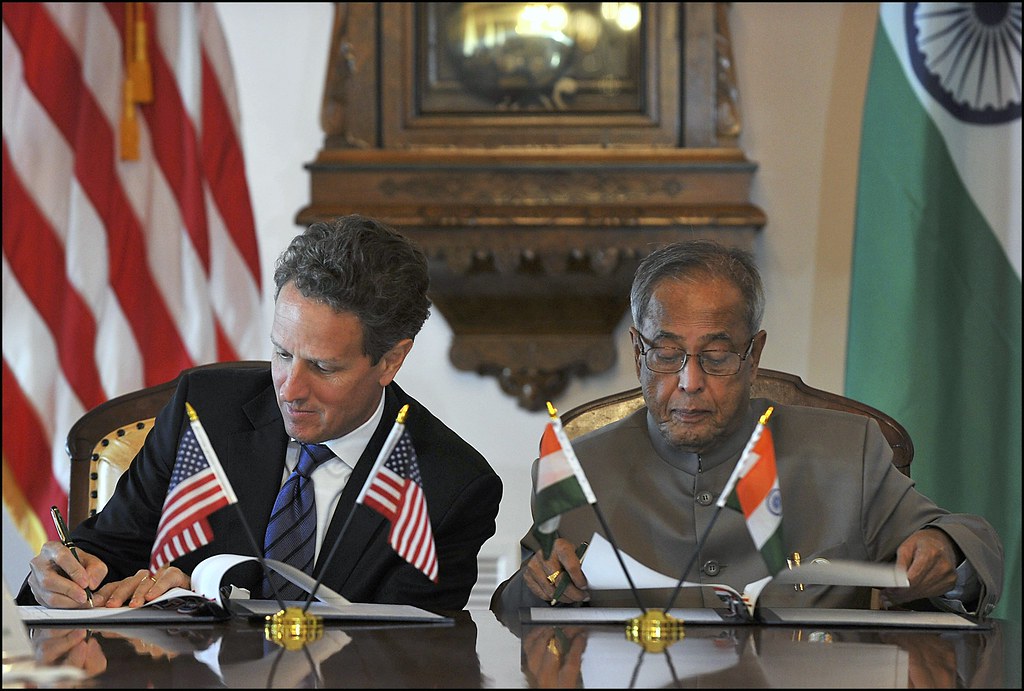
India US trade talks have reached a plateau, says FM Nirmala Sitharaman, highlighting the complexities in negotiations between the two nations.
Overview of India US trade relations
The trade relationship between India and the United States has evolved significantly over the past few decades, marked by mutual interests and challenges. Recent discussions indicate that the India US trade talks have reached a plateau, as highlighted by Finance Minister Nirmala Sitharaman. This statement underscores the complexities involved in negotiating trade agreements that satisfy both nations’ economic goals.
Historically, the United States has been one of India’s largest trading partners, with bilateral trade reaching substantial figures. However, various factors have influenced the dynamics of this relationship, including:
- Tariffs: Both countries have faced challenges related to tariffs that impact key industries.
- Market Access: The U.S. seeks better access for its agricultural products, while India focuses on protecting its local sectors.
- Intellectual Property Rights: Disputes over IP laws continue to be a sticking point in negotiations.
As the world economy faces new pressures, the future of India US trade talks will depend on both countries’ willingness to compromise and adapt to changing circumstances.
Key challenges in current negotiations
The ongoing India US trade talks face several key challenges that could hinder progress in achieving a comprehensive agreement. Both countries have expressed their commitment to strengthening economic ties, yet certain issues remain unresolved.
- Tariff barriers: Disagreements over tariffs on various goods continue to create friction. The US seeks to lower tariffs on agricultural products, while India is concerned about protecting its domestic industries.
- Market access: Access to each other’s markets is a contentious point. India is pressing for greater access to the US market, particularly in sectors like information technology and pharmaceuticals.
- Trade deficits: The US has voiced concerns over its trade deficit with India, which adds pressure on Indian negotiators to find solutions that address these economic imbalances.
- Regulatory issues: Differences in regulatory standards, especially in areas like data privacy and intellectual property rights, remain significant obstacles in the negotiation process.
As the talks continue, addressing these challenges will be crucial for both nations to move towards a mutually beneficial trade agreement.
Impact of trade talks on economies
The ongoing India US trade talks have significant implications for both economies. As discussions progress, the potential outcomes could reshape trade dynamics and influence economic growth in both nations.
For India, a successful trade agreement with the United States may lead to:
- Increased exports: Access to the large US market can boost Indian exports, particularly in sectors like textiles, pharmaceuticals, and information technology.
- Foreign direct investment: An improved trade relationship could attract more US companies to invest in India, creating jobs and enhancing technological collaboration.
- Market stability: A clear trade framework may provide predictability for Indian businesses, fostering confidence and encouraging growth.
Conversely, the impact on the US economy includes:
- Access to goods: A favorable trade agreement could allow US consumers to enjoy lower prices on various imported goods from India.
- Strengthened partnerships: Enhanced trade relations could strengthen strategic partnerships in technology and defense.
- Economic balance: Reducing trade barriers may help address trade imbalances and enhance economic cooperation.
Statements from Nirmala Sitharaman
Nirmala Sitharaman, India’s Finance Minister, recently addressed the ongoing India US trade talks, expressing her views on the current state of negotiations. In her statement, she noted that the discussions have reached a plateau, indicating that both countries are at a critical juncture in their trade relationship.
She emphasized the need for mutual understanding and cooperation, stating that while progress has been made, significant challenges remain. Sitharaman pointed out that the complexities of tariffs and regulatory standards continue to hinder the negotiation process.
Furthermore, she highlighted the importance of balancing interests, mentioning that both nations must work toward a fair and equitable trade framework. In her remarks, she also acknowledged the contributions of various stakeholders in the ongoing talks, underscoring their roles in shaping a sustainable trade path forward.
In conclusion, Sitharaman’s statements reflect a cautious optimism, suggesting that while the India US trade talks may be at a standstill now, there is still potential for fruitful collaboration in the future.
Future outlook for trade discussions
The future outlook for India-US trade talks remains uncertain as both nations navigate a complex landscape of economic interests and geopolitical dynamics. As discussions have reportedly reached a plateau, stakeholders are keenly observing how both countries will adapt to the evolving situation.
Analysts suggest that a renewed focus on collaboration could be crucial for breaking the current deadlock. Key areas for potential progress include:
- Digital Trade: Expanding cooperation in technology and data exchange could foster stronger economic ties.
- Tariff Reductions: Addressing tariff barriers may lead to a more favorable trading environment for businesses in both nations.
- Investment Opportunities: Encouraging bilateral investments can stimulate growth and create jobs on both sides.
- Environmental Standards: Aligning on sustainability initiatives may enhance cooperation, particularly in sectors like renewable energy.
As the India US trade talks continue, the ability of both governments to prioritize mutual benefits will play a significant role in shaping the future of their economic relationship. The global economic landscape and domestic pressures will undoubtedly influence these discussions moving forward.
Historical context of India US trade
The historical context of India US trade highlights a complex relationship marked by both cooperation and contention. Over the decades, trade between the two nations has evolved significantly, shaped by changing economic policies and global dynamics. In the early years post-independence, India adopted a protectionist approach, which limited foreign investment and trade engagement.
However, the liberalization of the Indian economy in the 1990s paved the way for stronger trade ties with the United States. This shift resulted in a substantial increase in bilateral trade, with key sectors such as technology, pharmaceuticals, and textiles seeing remarkable growth.
Despite these advancements, challenges have persisted. Both countries have faced issues related to tariffs, intellectual property rights, and market access. The recent India US trade talks aim to address these long-standing concerns while fostering a deeper economic partnership.
As these negotiations unfold, the historical context serves as a reminder of the complexities involved. With a focus on mutual benefits, the outcome of the India US trade talks could redefine the future of economic collaboration between the two nations.
Trade agreements in focus
The ongoing India US trade talks have shifted their focus towards specific trade agreements that could enhance economic collaboration between the two nations. As both countries strive to eliminate trade barriers, several key agreements are being discussed.
Among the most significant areas of focus are:
- Tariff Reductions: Negotiators are examining potential reductions in tariffs on a variety of goods, aiming to boost bilateral trade.
- Technology Transfer: Discussions are underway regarding facilitating technology transfers, particularly in the fields of defense and information technology.
- Agricultural Exports: Enhancing access for Indian agricultural exports to the US market is a critical point of negotiation, with hopes of increasing trade volume.
- Digital Trade: The framework for digital trade is also on the agenda, as both countries look to address issues related to data privacy and e-commerce regulations.
As these trade agreements come into sharper focus, stakeholders are keenly watching how these negotiations will evolve and the implications they hold for future economic relations between India and the United States.
Public reaction to trade talks
The recent India US trade talks have sparked a mixed reaction among the public and experts alike. Many citizens are hopeful, believing that a successful agreement could bolster the economy and create jobs. However, there is also a significant amount of skepticism regarding the outcomes of these negotiations.
Several industry leaders have voiced their opinions, stating that while the discussions are crucial, the current state of negotiations appears stagnant. They emphasize the importance of reaching a comprehensive deal that addresses tariffs and trade barriers.
A recent survey indicated that:
- 62% of respondents believe that the trade talks will have a positive impact on the economy.
- 45% expressed concerns over potential job losses in certain sectors.
- 30% are unsure about the benefits of the ongoing negotiations.
In social media discussions, many users have highlighted the need for transparency in the trade talks, urging both governments to communicate more openly about their progress and challenges. As India US trade talks continue, public sentiment remains a crucial factor that leaders must consider.
By U.S. Embassy New Delhi via Openverse
Read the original
Related reading
Nurpur MCH Opening: Right Steps for Quick Resolution · COVID-19 Allergic Conditions: Proven Risks You Should Know · Indian envoy on Hasina: Clear Reasons Behind Shelter Decision