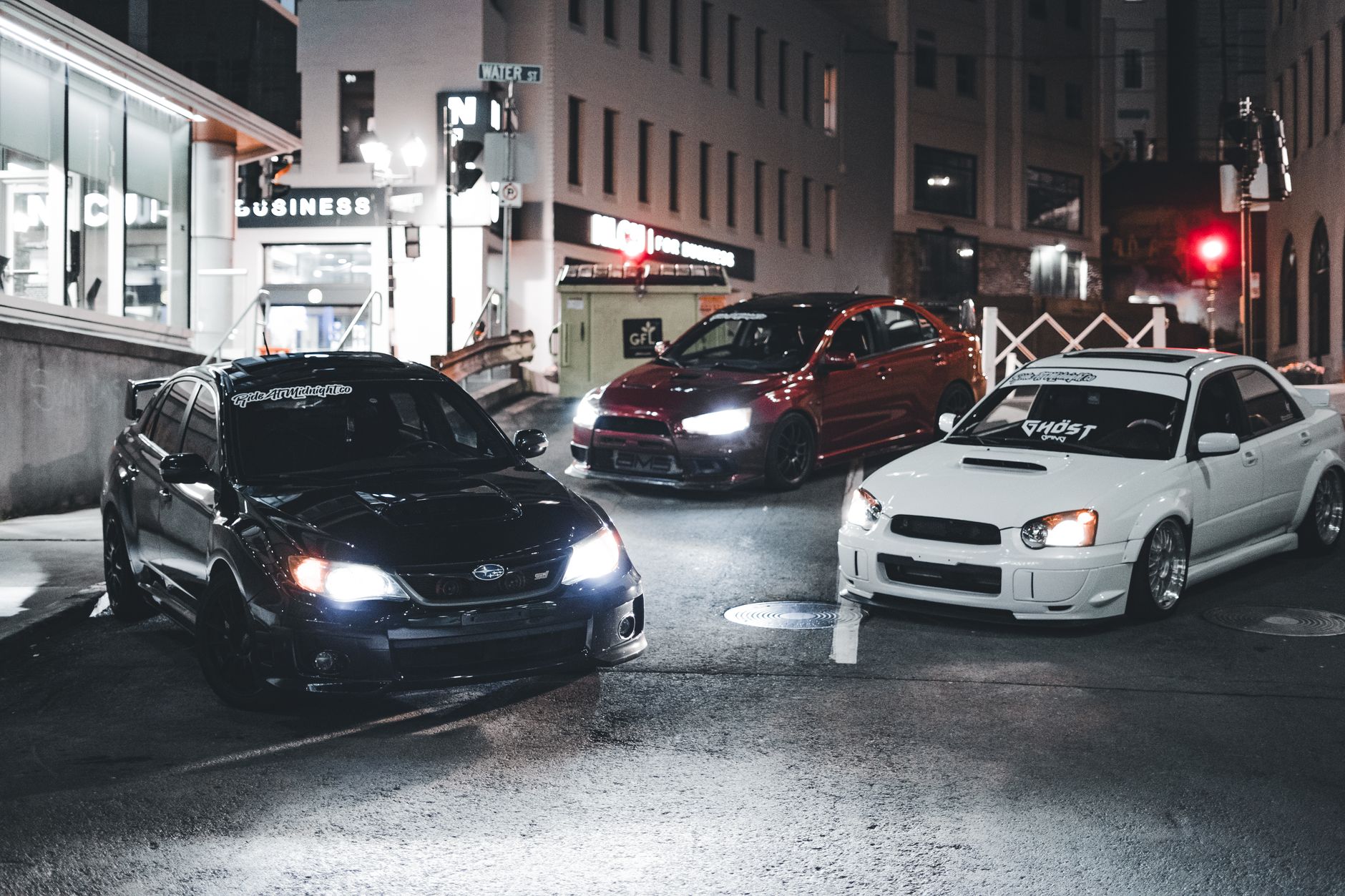
car headlight rules are about to be rewritten by federal authorities. This change aims to enhance safety standards and improve visibility for drivers across the nation.
Overview of the Proposed Changes
The National Highway Traffic Safety Administration (NHTSA) is set to propose significant changes to car headlight rules aimed at enhancing road safety. These changes come in response to growing concerns about visibility and the effectiveness of current headlight technologies.
One of the key proposals includes:
- Standardization of Headlight Performance: The NHTSA aims to establish a uniform standard for headlight brightness and range, ensuring that all vehicles meet minimum visibility requirements.
- Regulating Adaptive Headlight Systems: New regulations will focus on the implementation of adaptive headlight systems that adjust beam patterns based on driving conditions, improving road safety during nighttime driving.
- Encouraging Advanced Technologies: The proposed rules will also promote the use of advanced lighting technologies, such as LED and laser headlights, which provide better illumination and energy efficiency.
These revisions to car headlight rules are anticipated to reduce accidents caused by poor visibility, ultimately leading to safer driving experiences for all road users.
Impact on Vehicle Manufacturers
The upcoming changes to car headlight rules are poised to have a significant impact on vehicle manufacturers. With new regulations set to enhance safety standards, manufacturers will need to adapt their designs and technologies to comply with these requirements.
Some key areas of focus for manufacturers include:
- Enhanced Visibility: The new rules aim to improve visibility during adverse weather conditions, prompting manufacturers to invest in advanced lighting technologies.
- Energy Efficiency: As regulations tighten, companies will likely prioritize energy-efficient solutions, such as LED headlights, to meet both performance and environmental standards.
- Automated Systems: Vehicle makers may need to integrate automated headlight systems that adjust brightness and direction based on driving conditions.
These changes may lead to increased production costs initially, but they are expected to result in safer driving experiences for consumers. As manufacturers adapt to the new car headlight rules, the focus will remain on innovation and safety improvements in vehicle design.
Public Safety Concerns
Public safety concerns have become a key driving force behind the upcoming revisions to car headlight rules. With an increase in nighttime driving accidents, officials emphasize the need for improved visibility on the roads. Many advocates argue that outdated headlight technology contributes significantly to dangerous driving conditions, particularly in low-light situations.
According to recent studies, approximately 50 percent of fatal accidents occur at night, highlighting the urgency for updated regulations. The proposed changes aim to address issues such as:
- Brightness levels of headlights
- Adaptive lighting technology
- Standardization of headlight designs
Safety advocates stress that implementing these new car headlight rules could lead to a reduction in accidents and enhance overall road safety. As these changes move forward, many hope they will not only improve visibility but also encourage drivers to reconsider their headlight usage and maintenance habits.
Historical Context of Headlight Regulations
The evolution of car headlight rules has been shaped by advancements in technology and growing safety concerns. In the early days of automobiles, headlights were simple and often ineffective, leading to numerous accidents during nighttime driving. As vehicle production increased, so did the need for standardized regulations to ensure safety for drivers and pedestrians alike.
In the 1970s, the federal government began to implement more stringent regulations, focusing on brightness and visibility. Over the years, various updates have been made to address issues such as glare and the effectiveness of different headlight types, including halogen, HID, and LED systems.
Historically, these regulations aimed to improve nighttime visibility and reduce accidents related to inadequate lighting. However, as technology continues to evolve, the existing car headlight rules are now being reevaluated. The proposed changes seek to enhance safety further by addressing modern vehicle designs and lighting technologies that were not considered in earlier regulations.
As these new rules come into play, they promise to reshape the landscape of vehicle safety on the roads.
Expert Opinions on New Rules
Experts in automotive safety are weighing in on the newly proposed car headlight rules, emphasizing their potential impact on road safety. Dr. Emily Carter, a leading researcher in vehicle safety, states, “Improved headlight technology can significantly reduce accidents at night. The clarity and brightness of modern headlights allow drivers to see hazards more clearly.”
Another expert, Mark Thompson, a former traffic safety officer, highlights the importance of consistency in regulations. “As we see advancements in technology, it is crucial that car headlight rules keep pace to ensure all vehicles are equipped with the best lighting systems available,” he noted.
Many experts agree that the proposed changes could also influence how manufacturers design headlights. “This is an opportunity for innovation,” says automotive analyst Rachel Kim. “Stricter regulations might encourage manufacturers to invest in better lighting solutions, ultimately leading to safer driving conditions for everyone.”
As discussions continue, the consensus remains clear: updated car headlight rules are essential for enhancing safety on the roads.
What Drivers Need to Know
As new regulations regarding car headlight rules are set to be implemented, it is essential for drivers to stay informed about the changes that could impact their daily driving experience. The proposed adjustments aim to enhance visibility and safety, ultimately reducing the likelihood of accidents caused by inadequate lighting.
Drivers should consider the following key points:
- Understanding the Changes: Familiarize yourself with the specific alterations in headlight regulations, including performance standards and design requirements.
- Compliance: Ensure that your vehicle’s headlights meet the updated criteria to avoid potential penalties or safety issues.
- Maintenance: Regularly check and maintain your headlights, as well-functioning lights are crucial for nighttime driving and adverse weather conditions.
- Awareness: Be vigilant about how these new rules may affect your vehicle’s resale value and insurance premiums.
Staying informed on car headlight rules and following the updates will help drivers navigate the changes with confidence, promoting safer roads for everyone.
Future of Automotive Lighting Standards
The future of automotive lighting standards is poised for significant transformation as new regulations emerge. These car headlight rules aim to enhance visibility and safety on the roads, addressing longstanding issues with inadequate lighting systems. As technology advances, headlights are evolving beyond mere illumination; they are now integrated with sophisticated features that adapt to driving conditions.
One critical aspect of the proposed changes is the focus on energy efficiency. With an increasing emphasis on sustainability, manufacturers are encouraged to develop headlights that consume less power while providing optimal brightness. Additionally, the new standards may include specifications for adaptive lighting systems that adjust beam patterns to minimize glare for oncoming drivers.
The implementation of these regulations could also foster innovation in the automotive sector, prompting companies to invest in research and development. This shift not only benefits manufacturers but also enhances the driving experience for consumers. As these standards take shape, they promise a future where safer, more efficient lighting is a reality for all vehicles on the road.
Photo by Erik Mclean on Pexels