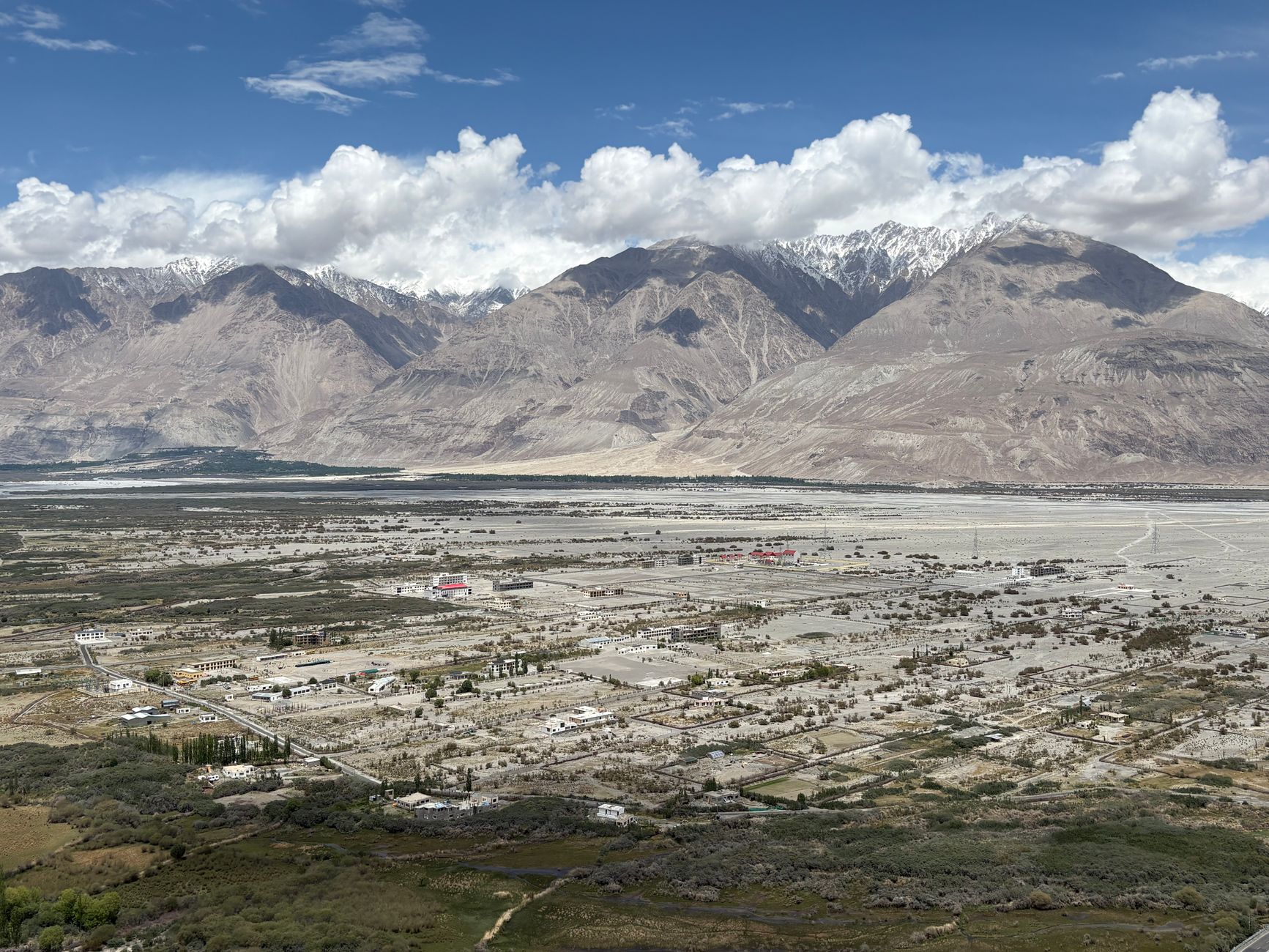
Ladakh integral part of India has been reaffirmed amid ongoing remarks from China. This statement underscores India’s position in the region’s geopolitical landscape.
Background on Ladakh’s Status
Ladakh, a region located in the northern part of India, has been a subject of geopolitical interest and discussion, especially following the abrogation of Article 370 in August 2019. This move redefined the status of Jammu and Kashmir, bringing Ladakh under direct governance by the central government. The Indian government has consistently asserted that Ladakh is an integral part of India, emphasizing its strategic importance and cultural heritage.
The region is bordered by China to the north and west, and by Pakistan to the west, making it a focal point in India’s national security framework. Recent remarks from Chinese officials have prompted the Indian government to reaffirm its position regarding Ladakh. In response, the Ministry of External Affairs reiterated that:
- Ladakh is an integral, inalienable part of India.
- The historical and cultural significance of the region to India is profound.
- Any external claims over Ladakh are unfounded and will not alter its status.
As tensions in the region continue, the Indian government remains firm in its stance, ensuring that Ladakh’s integral part of India is recognized both domestically and internationally.
China’s Recent Remarks
In light of recent statements from Chinese officials regarding Ladakh, the Indian government has firmly reiterated that Ladakh is an integral part of India. This declaration comes amidst ongoing tensions along the Line of Actual Control (LAC) and reflects India’s unwavering stance on its territorial integrity.
Chinese authorities have claimed that they do not recognize the Union Territory of Ladakh as part of India, which has sparked widespread concern among Indian officials and citizens alike. In response, Indian leaders have emphasized that Ladakh’s status is non-negotiable and highlighted several key points:
- Historical Claims: India has maintained that Ladakh has been part of its territory for centuries.
- Legal Framework: The reorganization of Jammu and Kashmir in 2019 solidified Ladakh’s status as a Union Territory.
- International Support: India has garnered support from various countries affirming its position on territorial sovereignty.
As diplomatic discussions continue, the Indian government remains committed to asserting that Ladakh is an integral part of the nation, seeking to resolve disputes through dialogue while firmly protecting its borders.
India’s Response to China
In response to China’s recent remarks regarding Ladakh, India has reaffirmed that Ladakh is an integral part of the country. The Indian government has consistently maintained that the region, which was officially designated as a Union Territory in 2019, holds significant strategic and cultural importance. This assertion comes in light of ongoing tensions along the Line of Actual Control (LAC) between the two nations.
The Ministry of External Affairs stated, “Ladakh is an integral and inalienable part of India.” This declaration emphasizes India’s commitment to protecting its territorial integrity and sovereignty. The government has also urged China to respect established agreements and to engage in dialogue for a peaceful resolution of disputes.
Furthermore, the Indian armed forces have been on high alert in the region, demonstrating readiness to counter any threats. This proactive stance highlights India’s determination to safeguard its interests in Ladakh, which is not only a strategic asset but also a vital part of its cultural landscape.
Analysts suggest that India’s robust response is essential in maintaining regional stability and asserting its claims in the face of external pressures.
Historical Context of Ladakh
Ladakh has a rich and complex history that underlines its status as an integral part of India. The region has been influenced by various cultures, traditions, and political dynamics over centuries. Historically, Ladakh was an important trade route connecting India with Central Asia, which facilitated cultural and economic exchanges.
In the early 20th century, Ladakh was incorporated into the princely state of Jammu and Kashmir. The region’s strategic location and unique cultural heritage made it significant for both India and its neighboring countries. Following the partition of India in 1947, Ladakh’s status was further solidified as it became a part of the newly formed Indian Union.
Over the decades, the Indian government has consistently emphasized that Ladakh is an integral part of India. This stance has been reinforced by various historical documents and treaties, which highlight the region’s ties to the Indian territory.
Understanding this historical context is crucial, especially in light of recent remarks from China regarding Ladakh. India’s reaffirmation of Ladakh as an integral part of the nation reflects its commitment to protecting its territorial integrity and maintaining peace in the region.
Geopolitical Implications
The geopolitical implications of Ladakh being an integral part of India extend beyond mere territorial claims. The region’s strategic location, bordering both China and Pakistan, makes it a focal point for national security and diplomatic relations.
The Indian government emphasizes that Ladakh’s status is not only a matter of national pride but also crucial for maintaining stability in the region. This assertion is vital in countering any external pressures, especially from China, which has made claims over the territory. The situation in Ladakh serves as a reminder of the broader geopolitical dynamics in South Asia, where territorial integrity is deeply intertwined with national identity.
Furthermore, the international community’s perspective on Ladakh impacts bilateral relations. Countries observing the situation are keenly aware of India’s stance on Ladakh as an integral part of its territory. Such recognition can influence international support and aid, crucial for economic development in the region.
In summary, the fate of Ladakh resonates with larger issues of sovereignty and territorial claims, reinforcing the idea that it is, indeed, an integral part of India amidst a complex geopolitical landscape.
Public Opinion on Ladakh
The public opinion on Ladakh’s status as an integral part of India has gained significant attention in recent months. Many citizens, especially those residing in the region, express a strong sense of identity and belonging to India.
Surveys conducted across various demographics reveal that:
- Support for Integration: A majority of residents view Ladakh as an inalienable part of India, reinforcing their ties to the nation.
- National Identity: The people of Ladakh emphasize their cultural and historical connections to India, often highlighting the unique blend of diverse traditions.
- Awareness of Geopolitical Dynamics: Many are acutely aware of the geopolitical tensions in the region and express a desire for peace and stability.
Furthermore, social media platforms have become a battleground for discussions on Ladakh’s status, with many netizens voicing their support for the government’s stance that Ladakh is an integral part of India. The sentiment is echoed in various public forums, where citizens assert their rights and place within the nation.
As the conversation continues, the people of Ladakh remain steadfast in their belief of being an essential component of India’s sovereignty.
Future of India-China Relations
The future of India-China relations remains uncertain, particularly in light of the ongoing tensions surrounding Ladakh. As both nations navigate their complex relationship, the status of Ladakh as an integral part of India has emerged as a focal point of contention.
Recent diplomatic efforts have aimed to ease tensions, but there are underlying issues that complicate the dialogue. Key factors influencing the future of these relations include:
- Border Disputes: The unresolved border disputes, especially in the Ladakh region, continue to hinder progress.
- Military Buildup: Both countries have increased their military presence along the Line of Actual Control, raising concerns about potential conflicts.
- Economic Ties: Economic interdependence exists, yet political rifts often overshadow mutual benefits.
As India emphasizes that Ladakh is an integral part of the country, any shift in China’s stance may significantly impact regional stability. The international community watches closely, as the future trajectory of India-China relations will likely affect not only bilateral ties but also the broader geopolitical landscape in Asia.
Conclusion on Territorial Claims
In conclusion, the ongoing territorial claims surrounding Ladakh highlight the complexities of regional geopolitics. The Indian government has consistently maintained that Ladakh is an integral part of India, a stance reiterated in the face of China’s recent remarks. This assertion is not merely a political statement but is rooted in historical, cultural, and geographical contexts that shape the identity of the region.
The public sentiment in India strongly supports the notion of Ladakh being an inalienable part of the nation, reflecting a deep emotional connection among its citizens. The recent surveys indicate that a significant majority of the population views Ladakh as vital to India’s sovereignty and territorial integrity.
As tensions continue to simmer between India and China, the future of Ladakh remains a focal point for national security discussions. Both countries have significant stakes in the region, making diplomatic engagements crucial. Moving forward, it will be essential for India to bolster its presence and infrastructure in Ladakh while engaging in constructive dialogue with China to ensure peace and stability.
- Ladakh’s cultural significance
- Military strategic value
- Regional stability
The historical context and cultural ties between Ladakh and India further affirm that Ladakh integral part of the nation. Additionally, the strategic significance of Ladakh integral part cannot be overlooked in the broader geopolitical landscape.
Photo by Raman Shukla on Pexels