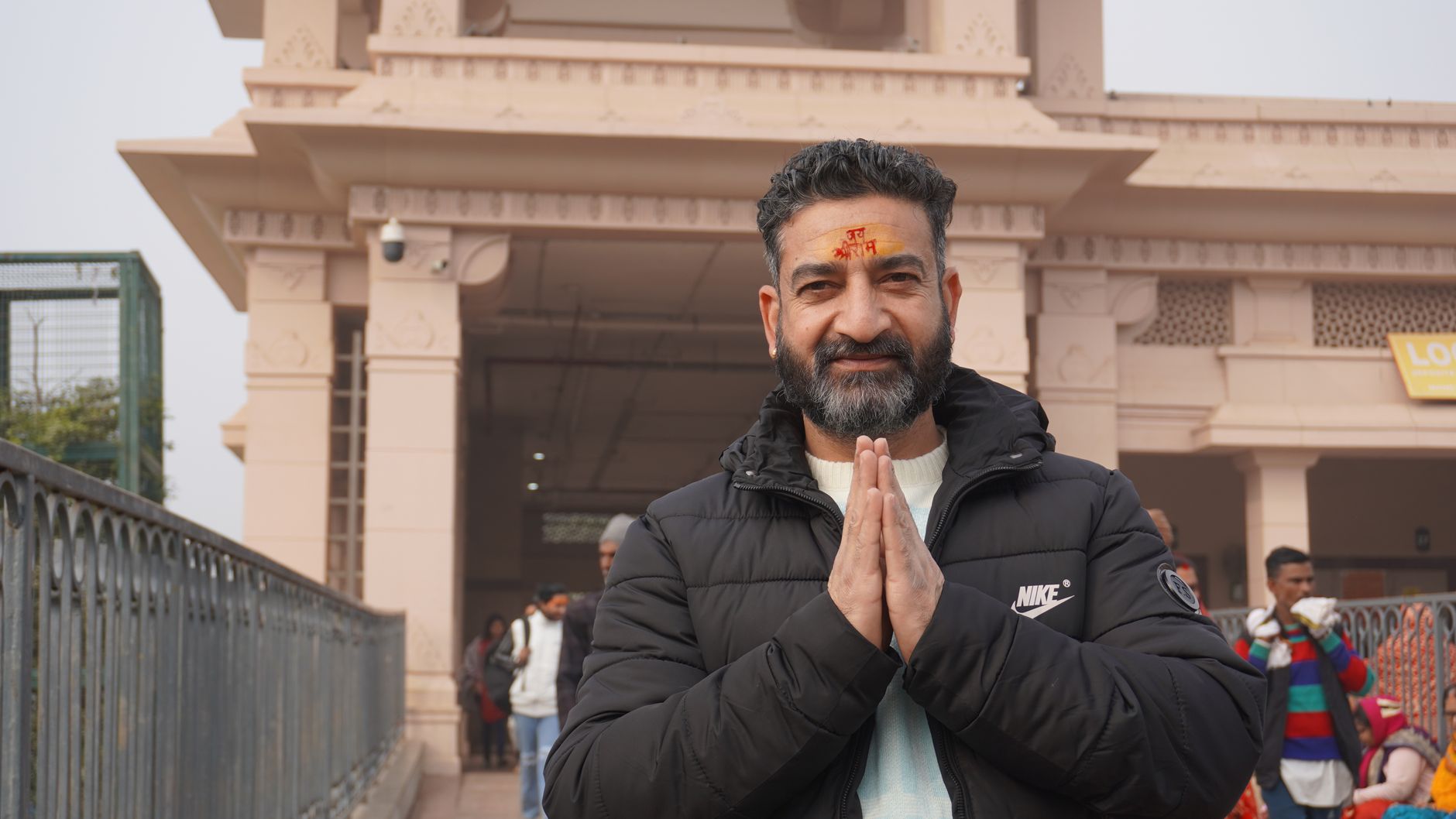
Balen Shah India visit marks an important milestone as the newly elected Nepal PM embarks on his first bilateral foreign trip. This journey signifies the strengthening ties between Nepal and India.
Significance of Balen Shah’s First Foreign Trip
The significance of Balen Shah’s first foreign trip as Nepal’s Prime Minister cannot be overstated. This visit to India marks a pivotal moment in bilateral relations between the two neighboring countries.
During this crucial visit, Balen Shah aims to strengthen diplomatic ties and explore avenues for cooperation in various sectors. The agenda is expected to focus on:
- Economic Collaboration: Enhancing trade agreements and investment opportunities.
- Infrastructure Development: Discussing support for key projects that benefit both nations.
- Cultural Exchange: Promoting cultural ties that resonate with the shared heritage of Nepal and India.
- Security Cooperation: Addressing regional security concerns and strategies to counter common threats.
Balen Shah’s India visit represents a strategic choice, emphasizing the importance of fostering a robust partnership. As Nepal seeks to navigate its foreign policy, this trip will play a crucial role in shaping the future of Nepal-India relations.
Through this engagement, Balen Shah aims to establish a foundation for collaborative solutions that will benefit both nations and their citizens.
Key Objectives of the Visit
The Balen Shah India visit aims to strengthen bilateral relations between Nepal and India, focusing on several key objectives that are crucial for both nations.
- Economic Cooperation: One of the primary goals is to enhance economic ties through increased trade and investment opportunities.
- Infrastructure Development: Discussions will center around collaborative projects, particularly in transportation and energy sectors, which are vital for Nepal’s growth.
- Cultural Exchange: The visit is expected to promote cultural ties, fostering mutual understanding and respect between the two countries.
- Security Collaboration: Strengthening security cooperation to address regional challenges will also be a significant agenda item during Balen Shah’s discussions.
- Environmental Issues: Addressing shared environmental concerns, particularly in the context of climate change, is essential for sustainable development.
Through these objectives, the Balen Shah India visit not only marks a new chapter in Nepal’s foreign relations but also sets the tone for future engagements that could benefit both nations immensely.
Menu Highlights for the Trip
As Balen Shah embarks on his first official foreign trip as Nepal’s Prime Minister, the culinary selections play a significant role in symbolizing bilateral ties. The menu for this high-profile visit is carefully curated to reflect the rich traditions of both nations.
Highlights of the menu include:
- Traditional Indian Cuisine: Dishes such as biryani and butter chicken showcase the flavors of India, aiming to foster goodwill and cultural exchange.
- Nepali Specialties: To honor his roots, Balen Shah has requested items like dal bhat and momo, representing Nepal’s culinary heritage.
- Fusion Dishes: Innovative combinations that blend Indian and Nepali flavors, such as spiced lentil soup with a hint of masala, will be served to celebrate unity.
This thoughtfully crafted menu not only aims to please the palate but also serves as a metaphor for the strengthening ties between Nepal and India during Balen Shah’s significant visit.
Cultural Exchange Opportunities
The visit of Balen Shah to India is not just a diplomatic engagement but also an opportunity for cultural exchange between the two neighboring nations. As the Prime Minister of Nepal, Balen Shah’s India visit is expected to strengthen ties and foster a greater understanding of each other’s rich heritage.
During his stay, various cultural programs are planned to showcase Nepalese traditions, including:
- Art Exhibitions: Displaying contemporary and traditional Nepali art, offering insights into Nepal’s vibrant artistic heritage.
- Culinary Experiences: A chance to taste diverse Nepalese cuisine, reflecting the country’s rich gastronomy.
- Performing Arts: Live demonstrations of traditional dance and music, emphasizing the cultural similarities and differences between India and Nepal.
- Workshops: Interactive sessions aimed at educating participants about Nepal’s customs, history, and language.
These activities will not only highlight the cultural richness of Nepal but also pave the way for collaborative efforts in arts, education, and tourism, further enhancing the relationship between the two countries during Balen Shah’s India visit.
Expected Outcomes of the Visit
The expected outcomes of Balen Shah’s India visit are pivotal in shaping the future of Nepal-India relations. This visit marks a significant step in enhancing bilateral ties, focusing on economic cooperation, cultural exchanges, and strategic partnerships.
Key anticipated outcomes include:
- Strengthened Economic Ties: Both nations aim to discuss trade agreements that could boost Nepal’s economy and increase exports to India.
- Infrastructure Development: Talks on collaborative projects, particularly in transport and energy sectors, are expected to be a priority, benefiting both countries.
- Cultural Diplomacy: Enhanced cultural exchanges could promote mutual understanding and respect, fostering goodwill between the citizens of both nations.
- Regional Security: Discussions on security cooperation will likely address shared concerns, contributing to stability in the region.
- Environmental Initiatives: Joint efforts to tackle climate change and promote sustainable development are anticipated, aligning with both countries’ goals.
Overall, Balen Shah’s India visit is seen as a crucial opportunity to lay the groundwork for a stronger partnership, addressing key issues and exploring new avenues for collaboration.
Bilateral Relations between Nepal and India
The bilateral relations between Nepal and India have historically been characterized by deep cultural, economic, and geographical ties. This foundation sets a significant backdrop for Balen Shah’s India visit, which marks a new chapter in diplomatic engagements.
Both nations share a long-standing partnership, underpinned by mutual interests and cooperative agreements. As Nepal’s Prime Minister, Balen Shah aims to strengthen these ties further during his trip, focusing on areas such as:
- Economic Cooperation: Enhancing trade relations and investment opportunities.
- Infrastructure Development: Collaborating on key projects that benefit both countries.
- Cultural Exchange: Promoting shared heritage and fostering people-to-people connections.
Moreover, the visit underscores the importance of maintaining peace and stability in the region. Given the challenges both nations face, such as economic recovery and climate change, Balen Shah’s India visit is expected to pave the way for collaborative initiatives that can address these pressing issues effectively.
As discussions unfold, the outcomes of this visit could redefine the trajectory of Nepal-India relations for years to come.
Public Reaction to the Visit
The public reaction to Balen Shah’s India visit has been overwhelmingly positive, with many citizens expressing their enthusiasm for the diplomatic engagement. Social media platforms have been abuzz with discussions about the significance of this trip, marking a new chapter in Nepal’s foreign relations.
Many feel that Balen Shah’s selection of India for his first foreign visit as Prime Minister underscores the importance of strengthening ties between the two neighboring countries. Comments circulating online highlight a sense of optimism about the potential for enhanced cooperation in trade, culture, and technology.
Supporters have taken to the streets, carrying banners that celebrate the visit and calling for greater unity between Nepal and India. Some have emphasized the need for a well-curated menu to reflect Nepal’s culinary heritage while promoting local flavors during Balen Shah’s official engagements.
- Positive Sentiment: Many believe the visit could lead to better economic opportunities.
- Public Engagement: Citizens urge the government to prioritize local interests.
- Cultural Representation: Calls for showcasing Nepal’s rich traditions during the visit.
Overall, the public sentiment reflects excitement and hope surrounding Balen Shah’s India visit.
Future Prospects for Nepal-India Relations
The future prospects for Nepal-India relations hinge significantly on the outcomes of Balen Shah’s India visit. As the newly appointed Prime Minister, Shah’s choice of India as his first bilateral destination reflects a commitment to strengthening ties between the two nations. Both countries share a long history of cultural, political, and economic interactions, which sets a promising foundation for future cooperation.
In light of recent developments, several key areas are poised for enhancement:
- Economic Collaboration: Trade agreements and investment opportunities can be explored to boost economic growth on both sides.
- Cultural Exchange: Initiatives to promote tourism and cultural understanding can foster goodwill among citizens.
- Security Cooperation: Joint efforts to address regional security concerns can strengthen bilateral ties.
- Infrastructure Development: Collaborative projects in transportation and energy can improve connectivity and sustainability.
Overall, Balen Shah’s India visit signifies a pivotal moment for Nepal-India relations, with the potential to usher in a new era of collaboration and mutual respect. The focus on shared goals may lead to a more integrated relationship, benefiting both nations in various sectors.
The Balen Shah India visit has sparked discussions about the culinary preferences of Nepal’s Prime Minister. Many are curious about what dishes would best represent Nepal during the Balen Shah India visit.
Photo by vishal thakur on Pexels
Read the original
Stocks to Buy or Sell: Today’s Best Picks for Investors · Ottawa job losses: Worst impact from public service cuts · Richard Gray Obituary: A Clear Tribute to a Legendary Designer