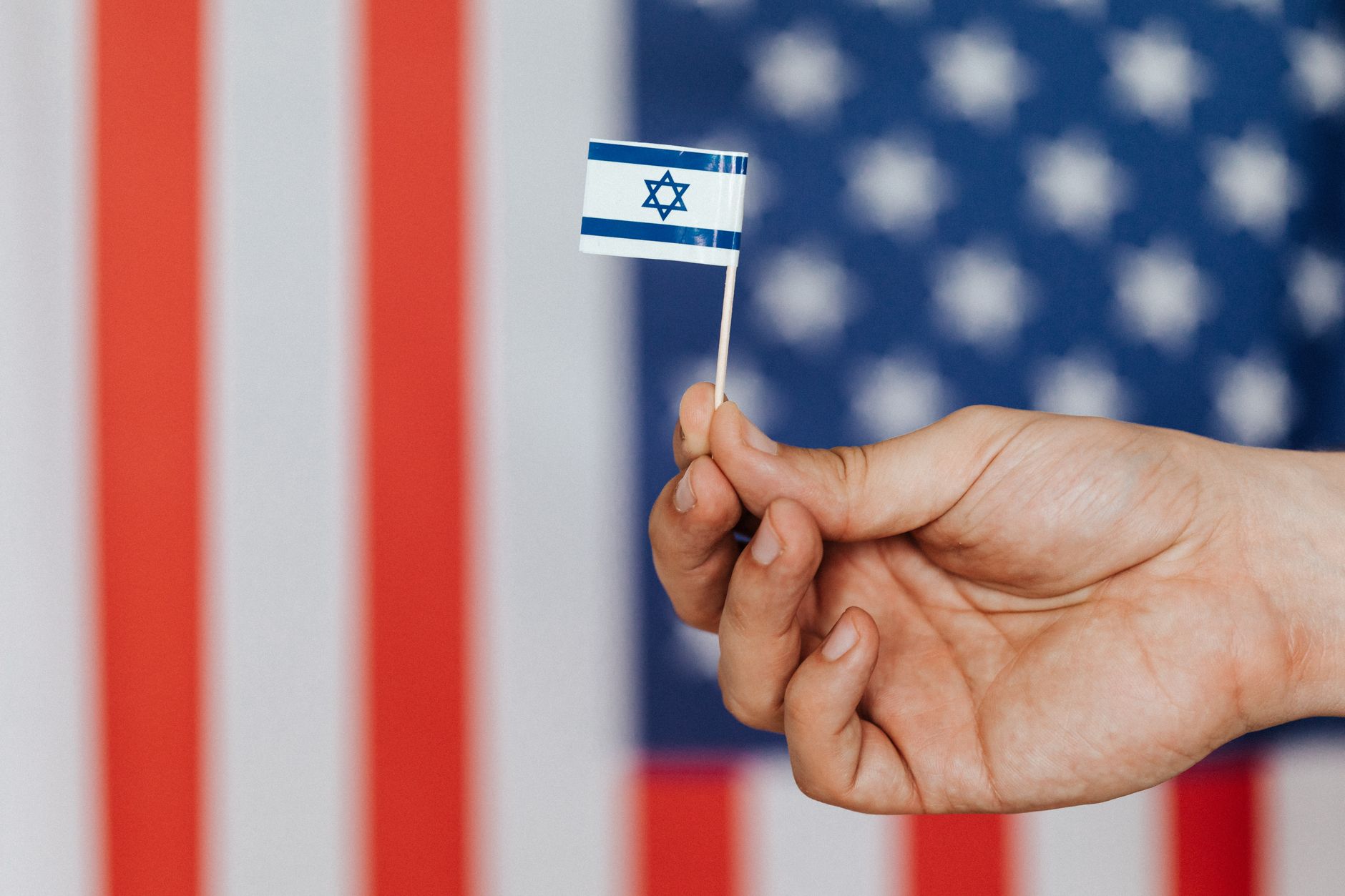
JD Vance Netanyahu endorsement has become a hot topic as the senator declines to support the Israeli Prime Minister for his reelection campaign. This decision could impact political dynamics significantly.
Background on JD Vance
JD Vance, a prominent political figure and author, rose to national attention with the publication of his memoir, “Hillbilly Elegy,” which highlighted the struggles of working-class Americans. Born in Ohio and a graduate of Yale Law School, Vance has positioned himself as a voice for conservative values in the United States Senate. His political career gained momentum following his victory in the 2022 Senate race, where he aligned closely with former President Donald Trump and his policies.
Recently, Vance faced scrutiny for his decision to decline a high-profile endorsement from Israeli Prime Minister Benjamin Netanyahu, a move that has sparked debate within political circles. Supporters argue that his stance could alienate pro-Israel voters, while critics believe it reflects a principled stand against foreign entanglements. Vance’s approach to foreign policy has often been characterized by skepticism towards globalist interventions, resonating with a segment of the electorate that prioritizes domestic issues.
- Background: JD Vance’s rise through the political landscape has been marked by his unconventional journey.
- Political Positioning: Vance’s alignment with Trump has shaped his public persona.
- Controversial Decision: Declining the Netanyahu endorsement may impact his support base.
Overview of Netanyahu’s Campaign
Israeli Prime Minister Benjamin Netanyahu is currently campaigning for reelection in what many view as a pivotal moment for his political career. His tenure has been marked by both significant achievements and considerable controversies, making this election particularly crucial for his supporters and critics alike.
Netanyahu’s campaign focuses on several key issues that resonate with the electorate:
- National Security: Netanyahu emphasizes his experience in handling regional threats, positioning himself as a strong leader capable of protecting Israel.
- Economic Stability: He highlights measures taken to bolster the economy, arguing that his leadership has led to prosperity and growth.
- International Relations: Netanyahu aims to strengthen Israel’s alliances, particularly with the United States, which he believes is essential for national security and economic partnerships.
Despite his efforts, Netanyahu faces challenges, including public dissatisfaction over social issues and protests against his government’s policies. The recent decision by JD Vance to decline a Netanyahu endorsement has sparked discussions about the implications of this choice on the election and Vance’s political trajectory. The endorsement, or lack thereof, carries weight in both American and Israeli political landscapes.
Vance’s Political Stance
JD Vance’s political stance has been a topic of considerable debate, particularly in light of his recent decision to not endorse Israeli Prime Minister Benjamin Netanyahu for reelection. This move has raised eyebrows among his supporters and critics alike, as endorsements often play a crucial role in shaping political alliances and voter perceptions.
Vance’s reluctance to support Netanyahu may be seen as a departure from traditional Republican values that typically favor strong backing of Israel. Analysts suggest that this decision reflects a growing divide within the party regarding foreign policy and the nature of U.S. support for Israel. Vance has emphasized a more isolationist approach, focusing on domestic issues rather than international entanglements.
Some believe that Vance’s choice could alienate him from pro-Israel constituents who expect unwavering support for Netanyahu. Others argue that his stance may resonate with voters who prioritize domestic policy over foreign alliances. As the political landscape continues to evolve, Vance’s decision not to endorse Netanyahu could have significant implications for his future and the broader Republican agenda.
- Foreign policy debates intensify within the GOP.
- Vance’s focus on domestic issues may sway some voters.
Reactions to Vance’s Decision
JD Vance’s decision to decline an endorsement of Israeli Prime Minister Benjamin Netanyahu has sparked a variety of reactions across the political spectrum. Supporters of Vance argue that this move aligns with his commitment to prioritizing American interests over foreign alliances. They believe that by not endorsing Netanyahu, Vance is sending a message that he values the sovereignty of U.S. foreign policy.
Conversely, critics within the Republican Party have expressed disappointment, suggesting that Vance’s refusal to support Netanyahu could alienate pro-Israel voters. Some party members feel that backing Netanyahu is essential, especially given the current geopolitical climate. Political analysts are divided on whether Vance’s decision will affect his standing among constituents in Ohio, where opinions on foreign policy can be mixed.
Moreover, prominent figures in the Jewish community have voiced their concerns, emphasizing the importance of a united front in supporting Israel. Reactions range from cautious optimism to outright criticism, illustrating the complex nature of Vance’s political landscape. As the fallout from this decision unfolds, the implications of JD Vance’s Netanyahu endorsement refusal will likely continue to resonate in upcoming elections.
Implications for US-Israel Relations
The decision by JD Vance to decline the endorsement of Israeli Prime Minister Benjamin Netanyahu has significant implications for US-Israel relations. Vance’s refusal to support Netanyahu, especially during a critical election period, raises questions about the future of bipartisan support for Israel in American politics.
Historically, support for Israel has been a unifying factor in U.S. foreign policy. However, Vance’s stance reflects a growing divide among Republican lawmakers regarding Israel’s leadership and policies. This shift could embolden factions within the party that advocate for a more isolationist approach, potentially undermining long-standing alliances.
Moreover, Vance’s decision may signal to other politicians that it is acceptable to challenge traditional support for Israel. If more lawmakers follow suit, it could lead to a reevaluation of U.S. commitments to Israel, particularly in terms of military aid and diplomatic backing.
- Increased polarization within the Republican Party.
- Potential for reduced military aid to Israel.
- Shifts in voter sentiment regarding U.S. involvement in Middle Eastern conflicts.
Ultimately, JD Vance’s choice to decline Netanyahu’s endorsement could reshape the narrative around US-Israel relations for years to come.
Future of Netanyahu’s Leadership
The future of Netanyahu’s leadership appears increasingly uncertain following JD Vance’s decision to decline his endorsement. This move not only reflects Vance’s evolving political strategy but also raises questions about the support Netanyahu will receive from key figures in the U.S. political landscape.
Netanyahu, who has been a dominant force in Israeli politics for over a decade, faces challenges both domestically and internationally. As he campaigns for reelection, the backing of prominent American politicians like Vance is significant. Without such endorsements, there is concern that Netanyahu’s influence may wane, particularly among his allies in the U.S.
There are several factors contributing to the shifting dynamics around Netanyahu’s leadership:
- Political Alliances: The support of American lawmakers has historically played a crucial role in bolstering Israel’s position on the global stage.
- Public Opinion: Netanyahu’s policies have been divisive, leading to varying levels of support among constituents.
- International Relations: The changing geopolitical landscape may also impact Netanyahu’s ability to secure endorsements moving forward.
As the election approaches, the absence of a JD Vance Netanyahu endorsement may signal a shift in the tide for Israel’s leadership.
Many political analysts believe that JD Vance’s Netanyahu endorsement could have solidified his position among pro-Israel voters. However, by declining the JD Vance Netanyahu endorsement, he risks alienating a key demographic in his constituency.
Photo by https://kaboompics.com/ on Pexels