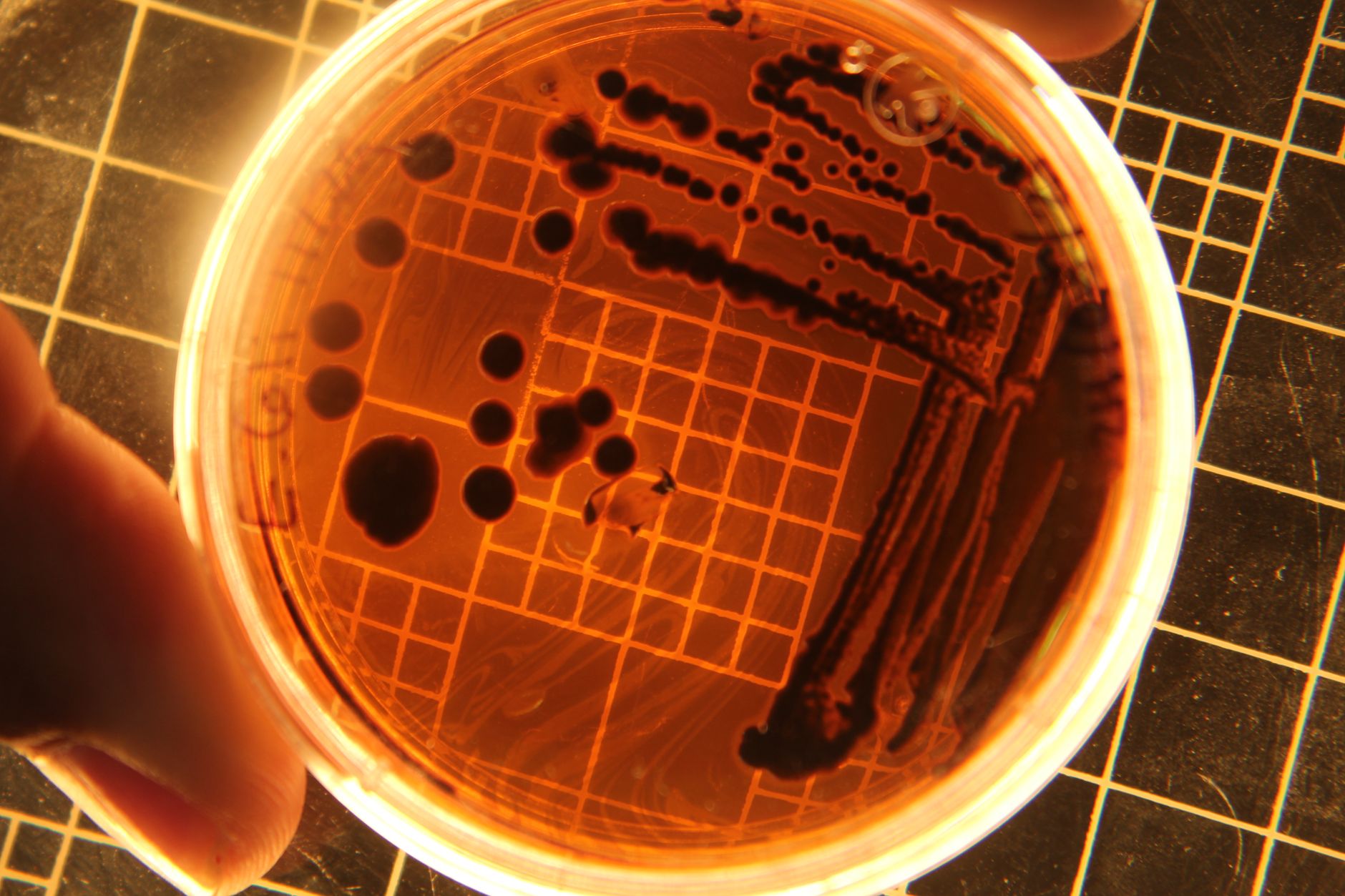
Tomato bacterial pathogens pose significant challenges to crop health and yield. This article explores how integrative meta-transcriptomics and machine learning unveil defense networks and regulatory hubs in response to these pathogens.
Understanding Tomato Bacterial Pathogens
Tomato bacterial pathogens pose significant threats to crop yield and quality, impacting the global food supply. Understanding these pathogens involves studying their mechanisms of infection and the plant’s defense responses. Recent research highlights the role of integrative meta-transcriptomics, which analyzes gene expression changes in tomatoes during pathogen attacks. This approach, combined with machine learning, helps identify key defense networks and regulatory hubs that activate in response to these threats.
Key points about tomato bacterial pathogens include:
- Identification: Recognizing specific bacterial strains is crucial for effective management.
- Resistance: Developing resistant tomato varieties is a priority for breeders.
- Control methods: Integrated pest management strategies can help mitigate the impact of these pathogens.
As research progresses, new strategies will emerge to better combat tomato bacterial pathogens.
The Role of Machine Learning in Agriculture
Machine learning is revolutionizing the approach to managing tomato bacterial pathogens by providing innovative solutions for detection and response. This technology enables researchers to analyze vast datasets, identifying patterns that would be difficult for humans to discern. Through integrative meta-transcriptomics, machine learning algorithms can pinpoint specific defense networks activated in response to these pathogens.
Key benefits of utilizing machine learning in agriculture include:
- Enhanced Detection: Rapid identification of bacterial threats allows for timely interventions.
- Predictive Analytics: Anticipating outbreaks based on environmental factors and historical data can improve crop resilience.
- Optimized Resource Allocation: Targeted treatments reduce waste and increase efficiency in combating bacterial diseases.
Overall, the integration of machine learning presents promising strategies for farmers to safeguard their tomato crops against bacterial pathogens.
Meta-Transcriptomics Explained
Meta-transcriptomics is an innovative approach that combines transcriptomics and metagenomics to provide insights into the complex interactions between tomato plants and bacterial pathogens. This technique allows researchers to analyze the expression of genes in both the host plant and the microbial community simultaneously. By examining the RNA present in a sample, scientists can identify active genes that play critical roles in plant defense against tomato bacterial pathogens.
Furthermore, meta-transcriptomics helps in understanding the dynamics of pathogenic bacteria during infection, revealing their strategies for evading the plant’s immune responses. This comprehensive view enables researchers to pinpoint regulatory hubs and defense networks that can be targeted for developing more resilient tomato varieties. By integrating data from this method with machine learning algorithms, researchers can enhance predictive models that inform effective management strategies against bacterial threats.
How Plants Defend Against Bacterial Threats
Plants have evolved a range of defense mechanisms to combat bacterial threats, including tomato bacterial pathogens. These strategies can be broadly categorized into physical, chemical, and biological defenses.
- Physical Defenses: Structures such as trichomes and thickened cell walls act as barriers to pathogen entry.
- Chemical Defenses: Plants produce secondary metabolites like phytoalexins and phenolics that inhibit bacterial growth and enhance plant resilience.
- Biological Defenses: Beneficial microorganisms can outcompete or inhibit harmful pathogens, providing a protective effect.
Additionally, the plant immune system is triggered by the recognition of pathogen-associated molecular patterns, leading to a rapid response that includes the activation of defense genes. Understanding these complex defense networks is crucial for developing effective strategies to enhance resistance against tomato bacterial pathogens in agricultural settings.
Key Findings from Recent Research
Recent research has highlighted several key findings regarding tomato bacterial pathogens and their impact on crop health. The integrative approach combining meta-transcriptomics and machine learning has revealed intricate defense networks within tomato plants. These networks are activated in response to specific bacterial threats, allowing for a more nuanced understanding of plant resistance mechanisms.
Key discoveries include:
- Regulatory hubs: Identified regulatory hubs play a crucial role in managing the plant’s defensive responses.
- Gene expression patterns: Changes in gene expression patterns provide insights into how tomatoes adapt to bacterial infections.
- Machine learning applications: The use of machine learning enhances predictive capabilities regarding plant responses to bacterial pathogens.
These findings pave the way for developing targeted strategies to enhance resistance against tomato bacterial pathogens, ultimately improving crop yields and sustainability.
Implications for Future Crop Management
The ongoing research into tomato bacterial pathogens has significant implications for future crop management strategies. As farmers face increasing threats from these pathogens, understanding their behavior and resistance mechanisms becomes essential.
Implementing advanced techniques such as meta-transcriptomics and machine learning can enhance our ability to predict outbreaks and develop resilient crop varieties. This integrated approach allows for a more nuanced understanding of plant responses, leading to the identification of key regulatory hubs that could be targeted for improved resistance.
Moreover, these innovations not only help in combatting current threats but also prepare the agricultural sector for future challenges. By adopting proven strategies derived from the latest research, farmers can ensure sustainable tomato production, ultimately safeguarding food security and supporting economic stability in the industry.
Innovative Approaches to Plant Health
Innovative strategies are essential for enhancing plant health and ensuring the sustainability of tomato crops. Recent advancements in the understanding of tomato bacterial pathogens have led to the development of several promising approaches:
- Biological Control Agents: Utilizing beneficial microbes that can suppress the growth of harmful bacteria.
- Genetic Resistance: Breeding programs aimed at developing tomato varieties with enhanced resistance to bacterial infections.
- Precision Agriculture: Employing technology to monitor plant health and apply targeted interventions when bacterial threats are detected.
- Integrated Pest Management: Combining cultural, biological, and chemical practices to minimize the impact of bacterial pathogens.
These innovative approaches not only bolster plant defenses but also promote a healthier agricultural ecosystem.
Conclusion: Strengthening Crop Resilience
In conclusion, addressing the challenges posed by tomato bacterial pathogens requires a multifaceted approach that incorporates both innovative technologies and traditional practices. The integration of machine learning with meta-transcriptomics offers unprecedented insights into plant defense mechanisms and can enhance our understanding of bacterial resistance pathways.
To strengthen crop resilience, farmers and researchers should consider the following strategies:
- Adopting resistant tomato varieties: Breeding programs should prioritize the development of cultivars with enhanced resistance to bacterial diseases.
- Implementing precision agriculture: Utilizing data-driven techniques can optimize the application of resources and improve plant health.
- Enhancing soil health: Healthy soil promotes robust plant growth and can naturally suppress bacterial pathogens.
By combining these strategies, the agricultural community can effectively combat the threats posed by tomato bacterial pathogens and secure future harvests.
Photo by Wassily Kandark on Pexels
Sources
Related stories
India Men’s Hockey Squad: Best Proven Players for Tour · Sheikh Hasina Passport Request: A Clear Call for Action · Post-Diwali AQI: Worst Air Quality in Delhi This Year