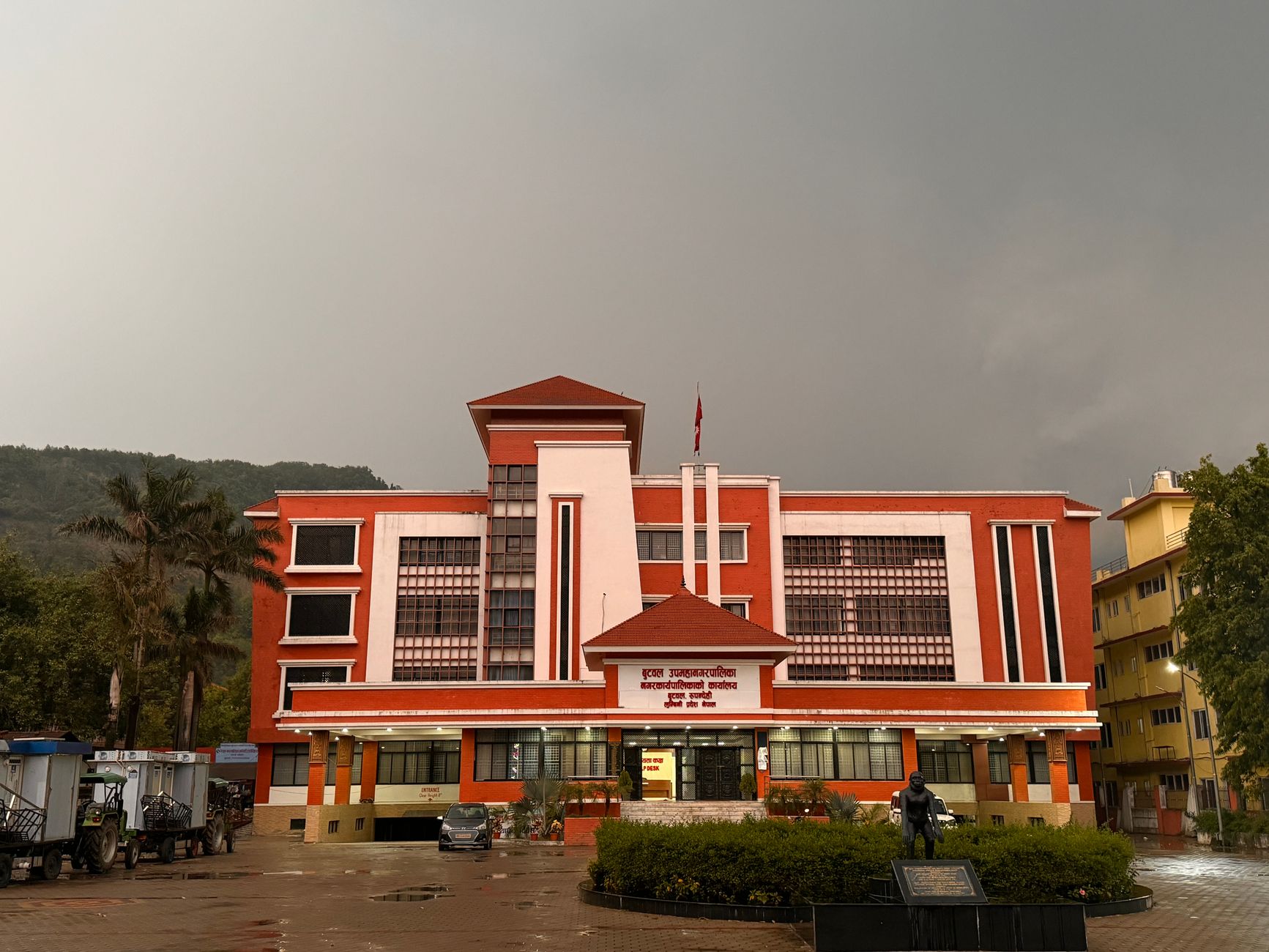
India’s cleanest cities have been ranked, revealing the top urban areas in terms of cleanliness and sanitation. This ranking offers insights into how well cities are managing waste and maintaining public spaces.
Introduction to Cleanliness Rankings
As urbanization continues to rise across the globe, the importance of cleanliness in cities has become a focal point for both residents and local governments. India’s cleanest cities have been recognized for their commitment to maintaining hygiene and sanitation standards, showcasing the efforts made to provide a cleaner environment for their citizens. The cleanliness rankings, conducted by various organizations, assess cities based on numerous factors such as waste management, sanitation facilities, and public awareness.
This year, the rankings revealed a mix of familiar names and emerging contenders, all striving to improve their standings in the quest for a cleaner urban landscape. With initiatives aimed at reducing plastic waste, enhancing public toilets, and promoting green spaces, these cities exemplify the best practices in urban cleanliness.
Among the highlights of the rankings are:
- Innovative Waste Management Solutions that have set benchmarks for others.
- Community Engagement programs that encourage residents to participate in cleanliness drives.
- Government Policies focused on sustainable urban development.
These factors contribute significantly to how cities are recognized in India’s cleanest cities rankings.
Methodology Behind the Rankings
The rankings of India’s cleanest cities are determined through a comprehensive methodology that evaluates various parameters related to urban cleanliness and sanitation. These assessments are conducted by the Ministry of Housing and Urban Affairs, which releases the annual Swachh Survekshan report.
The methodology includes the following key components:
- Citizen Feedback: A significant portion of the score is based on feedback from residents regarding their satisfaction with cleanliness in their areas.
- Service Level Progress: This assesses the efficiency of waste management services, including door-to-door collection, processing, and disposal of waste.
- Innovative Practices: Cities are encouraged to implement innovative solutions to improve sanitation, which are also considered in the rankings.
- Infrastructure: The availability and maintenance of public toilets, waste bins, and other sanitary facilities play a crucial role in determining a city’s score.
- Awareness Campaigns: Active public engagement in cleanliness initiatives and campaigns significantly influences the final results.
Through this rigorous assessment process, the rankings reveal the top contenders among India’s cleanest cities, showcasing their commitment to maintaining high standards of hygiene and sanitation.
Top Ranked Cities in India
In the latest cleanliness rankings released by the Union Ministry of Housing and Urban Affairs, several cities have emerged as leaders in sanitation and hygiene. These findings highlight the commitment of local authorities and citizens towards maintaining a cleaner environment. The following cities have been recognized as India’s cleanest cities:
- Indore – Retaining its title for the seventh consecutive year, Indore continues to set benchmarks in waste management and public cleanliness.
- Surbaya – Not far behind, Surbaya has made significant improvements in waste segregation and sanitation facilities.
- Navsari – This city has rapidly climbed the ranks due to its effective initiatives in maintaining cleanliness and public awareness campaigns.
- Ahmedabad – With enhanced infrastructure and community participation, Ahmedabad has also shone brightly in this year’s rankings.
- Chandigarh – Known for its planned layout, Chandigarh remains consistent in its efforts towards sustainable cleanliness.
These cities not only showcase remarkable achievements but also serve as a model for others aiming to improve their cleanliness standards. India’s cleanest cities reflect a growing culture of responsibility among residents and local governments.
Cities That Improved Their Rankings
In the latest cleanliness rankings, several cities in India have shown remarkable improvements, making them stand out among the nation’s cleanest cities. These advancements reflect the efforts of local governments and communities to enhance sanitation and waste management practices.
Among the notable cities that have improved their rankings, the following stand out:
- Ahmedabad: Gained significant ground, thanks to increased public awareness campaigns and better waste segregation systems.
- Indore: Continues its legacy of cleanliness, implementing innovative solutions to sustain its top position.
- Surat: Made strides by investing in modern waste processing technologies, leading to a cleaner environment.
- Mysuru: Focused on community-driven cleanliness initiatives, promoting local participation in sanitation efforts.
- Visakhapatnam: Improved its ranking with enhanced street cleaning operations and efficient waste collection services.
These cities exemplify the commitment to maintaining and improving cleanliness standards, showcasing the potential for urban areas across India to achieve similar goals. As more cities strive to become the cleanest cities, the competition will only intensify.
Challenges Faced by Urban Areas
The pursuit of cleanliness in urban areas continues to face several challenges, despite the commendable efforts of cities striving to be recognized as India’s cleanest cities. One of the primary obstacles is the rapid urbanization that many regions are experiencing. With a growing population, the demand for waste management services has surged, often outpacing the available infrastructure.
Additionally, public awareness and participation in cleanliness initiatives remain inconsistent. While some residents actively engage in keeping their neighborhoods clean, others may not fully understand the importance of their contributions to overall sanitation. This disparity can hinder the effectiveness of cleanliness drives.
Another significant challenge is the lack of adequate waste segregation at the source. Many cities struggle with ensuring that residents separate their waste properly, which complicates recycling efforts and increases landfill overflow.
Furthermore, financial constraints often limit the ability of local governments to invest in necessary cleaning technologies and services. This can lead to a cycle where cities that aspire to improve their rankings as India’s cleanest cities find themselves limited by these systemic issues.
Addressing these challenges is crucial for sustaining cleanliness and improving rankings in the future.
Impact of Cleanliness on Public Health
The cleanliness of urban environments plays a crucial role in enhancing public health. In India’s cleanest cities, the efforts to maintain hygiene not only improve the aesthetic appeal but also significantly reduce health risks associated with pollution and waste. Clean surroundings contribute to lower instances of diseases such as respiratory infections, gastrointestinal issues, and vector-borne illnesses.
Studies have shown that cities that prioritize cleanliness experience a notable decline in health care costs. Regular waste management and sanitation practices help in controlling the spread of pathogens, ultimately fostering a healthier community. Furthermore, citizens in cleaner cities tend to show higher levels of public satisfaction and engagement, which positively affects mental health.
Moreover, environmental cleanliness encourages outdoor activities, promoting physical fitness among residents. It cultivates a sense of pride among citizens, motivating them to actively participate in community cleanliness initiatives. As India’s cleanest cities continue to set benchmarks, the ripple effects on public health are becoming increasingly evident, highlighting the need for sustained efforts in urban sanitation and hygiene practices.
Future Initiatives for Cleaner Cities
As India’s cleanest cities continue to set benchmarks for urban sanitation, various initiatives are being proposed to further enhance cleanliness across the nation. City officials and urban planners are emphasizing the importance of sustainable practices to maintain and improve the rankings.
Some of the key future initiatives include:
- Waste Segregation Programs: Encouraging residents to separate wet and dry waste at the source to facilitate recycling and reduce landfill burden.
- Smart Waste Management: Implementing technology-driven solutions, such as smart bins and tracking systems, to optimize waste collection routes and schedules.
- Public Awareness Campaigns: Launching campaigns to educate citizens on the significance of cleanliness and their role in maintaining a clean environment.
- Green Infrastructure: Developing parks, green roofs, and urban gardens to enhance the aesthetic appeal and ecological footprint of cities.
- Collaboration with NGOs: Partnering with non-governmental organizations to conduct cleanliness drives and community engagement activities.
These initiatives aim to not only uphold the status of India’s cleanest cities but also inspire other urban areas to adopt similar practices for a healthier urban environment.
Photo by CP Khanal on Pexels