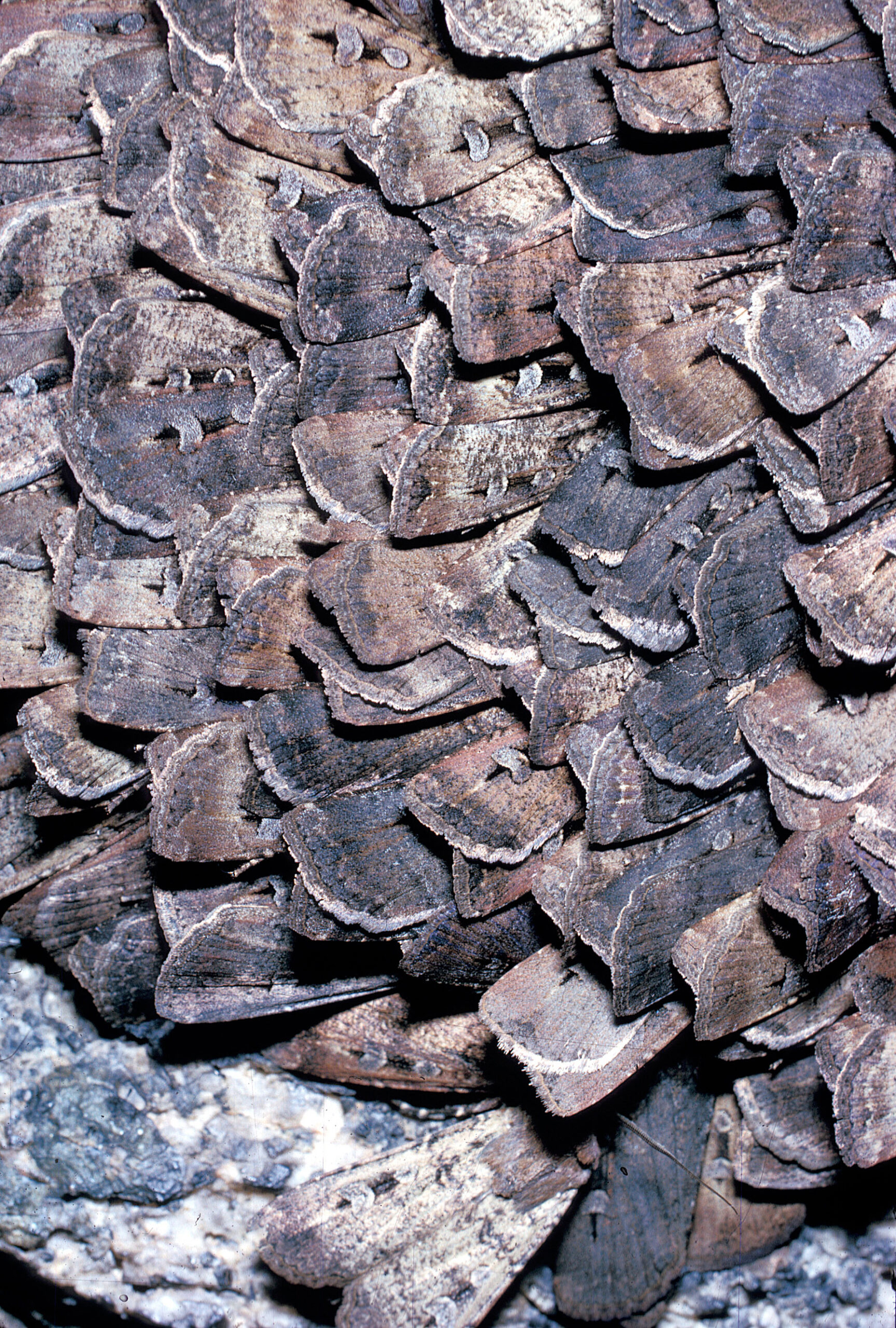
Bogong moth migration is a fascinating phenomenon that showcases the incredible navigation skills of these insects. Recent studies reveal how they utilize an internal geomagnetic compass to guide their long journeys.
Understanding the Bogong Moth
The Bogong moth, known scientifically as Agrotis infusa, is a remarkable figure in the world of migration. These small insects, native to Australia, embark on an extraordinary journey each year, traveling hundreds of kilometers from their breeding grounds to the Australian Alps. This seasonal migration, referred to as the Bogong moth migration, occurs primarily in spring and summer, when the moths seek cooler climates.
Research has revealed that Bogong moths possess an internal geomagnetic compass, which allows them to navigate accurately during their long flights. This internal mechanism is believed to be influenced by the Earth’s magnetic field, aiding the moths in finding their way through the vast Australian landscape.
In addition to their impressive navigation skills, Bogong moths are also known for their unique feeding habits. They primarily feed on the foliage of various plants, playing a crucial role in the ecosystem. However, their migration is not just significant for the moths themselves; it also impacts local wildlife and vegetation.
Understanding the complexities of the Bogong moth migration provides valuable insight into the intricate relationships between species and their environments. As researchers continue to explore these fascinating insects, they uncover more about the natural world and the factors that influence migratory patterns.
The Science Behind Migration
The study of the Bogong moth migration reveals fascinating insights into the intricate behaviors of this remarkable species. Research indicates that these moths possess an internal geomagnetic compass, allowing them to navigate vast distances with remarkable precision. This natural ability is crucial as they travel from their breeding grounds in southeastern Australia to the Australian Alps, covering hundreds of kilometers in search of cooler climates.
Understanding the mechanisms behind their migration involves several scientific approaches:
- Behavioral Studies: Researchers observe moth flight patterns and timings, noting how they respond to environmental cues such as temperature and wind.
- Environmental Monitoring: Scientists track changes in climate and habitat, assessing how these factors influence migration routes and timing.
- Genetic Analysis: Examining the genetic makeup of Bogong moths helps identify any inherited traits that contribute to their exceptional navigation skills.
- Experimental Techniques: Researchers conduct experiments in controlled environments to determine how different stimuli affect moth behavior during migration.
Collectively, these methods provide a comprehensive understanding of the complexities involved in the Bogong moth migration, highlighting the intersection of ecology and evolution in this extraordinary phenomenon.
Impact of Climate on Migration
The migration of Bogong moths is significantly influenced by climate conditions, which can alter their migratory patterns and survival rates. As these moths travel long distances, varying weather patterns such as temperature and precipitation can have a profound impact on their journey.
One of the most critical aspects of climate affecting Bogong moth migration is the availability of food sources during their travels. As temperatures rise, the timing of flowering plants may shift, disrupting the ecological balance that moths rely on for sustenance. Consequently, this can lead to a decrease in moth populations, as they may arrive at their feeding grounds too late or too early.
Moreover, extreme weather events, such as storms and droughts, can directly affect their migratory routes. Moths may face challenges in navigating these conditions, which can lead to increased mortality rates. Researchers have noted that a warmer climate may also alter the moths’ internal geomagnetic compass, making it more difficult for them to find their way during their migration.
Understanding these climate impacts is essential for conservation efforts aimed at preserving the Bogong moth migration. Protecting their habitats and ensuring the availability of resources during critical periods can help support the resilience of these remarkable insects.
How Moths Navigate Using Magnetism
The migration of the Bogong moth is a remarkable phenomenon that showcases the intricate relationship between nature and navigation. One of the most fascinating aspects of this migration is how these moths use magnetism to find their way across vast distances.
Research indicates that Bogong moths possess an internal geomagnetic compass, allowing them to detect the Earth’s magnetic field. This ability is crucial as they travel thousands of kilometers from their breeding grounds in northern Australia to the alpine regions of southern Australia.
Scientists believe that the moths’ navigation system relies on a combination of visual cues and magnetic information. During the day, these moths often take advantage of the sun’s position for orientation. However, at night, when the sun is no longer visible, they switch to their geomagnetic compass. This dual navigation strategy enhances their ability to travel efficiently, even in varying weather conditions.
To better understand how these moths navigate using magnetism, researchers have conducted various experiments. These studies often involve manipulating magnetic fields to observe the moths’ responses. The results have provided valuable insights into the evolutionary adaptations that enable the Bogong moth migration, highlighting the extraordinary capabilities of these small creatures.
Ultimately, the study of Bogong moth migration not only enriches our understanding of their behavior but also sheds light on the broader implications of animal navigation in the natural world.
Future Research Directions
As research on the Bogong moth migration continues to evolve, future studies will focus on several critical areas to enhance our understanding of these remarkable insects. By exploring new methodologies and technologies, scientists aim to uncover deeper insights into the factors that influence migration patterns.
One promising direction for future research is:
- Genetic Studies: Investigating the genetic makeup of Bogong moths may reveal how certain traits contribute to their migratory success and adaptability in changing environments.
- Habitat Analysis: Understanding the specific habitats that support Bogong moth populations during their migration will help in conservation efforts. Identifying key ecological zones can lead to better protection of their breeding grounds.
- Impact of Light Pollution: As urban areas expand, assessing how artificial light affects the migration routes and behaviors of Bogong moths is essential for developing strategies to mitigate adverse effects.
- Climate Change Implications: Future studies should delve into how ongoing climate change alters the timing and duration of the Bogong moth migration, potentially disrupting their lifecycle and food sources.
Through these research avenues, scientists hope to gain a comprehensive understanding of the intricacies surrounding the Bogong moth migration and its implications for biodiversity and ecosystem health.
By Entomology, CSIRO via Openverse
Read the original
Pre-Budget Consultation: Smart Strategies for Education Stakeholders · India VC accelerator: Proven platform for startup growth · Is Traditional Deepam Lighting the Best Choice for Madurai?