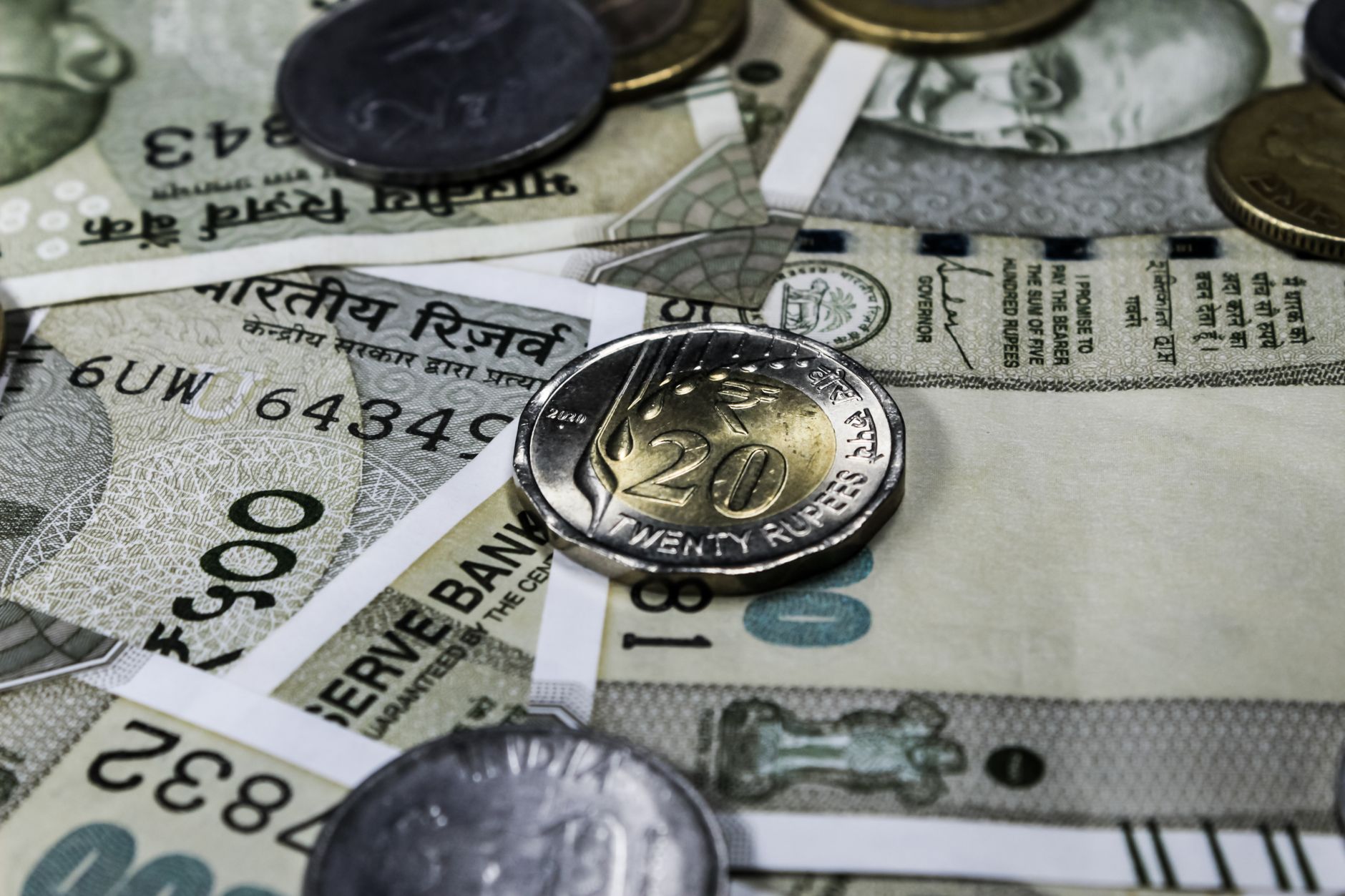
RBI measures for rupee are aimed at stabilizing the currency amidst economic fluctuations. The central bank has announced new strategies to support the rupee, including a special dollar window for oil companies.
Overview of RBI’s New Measures
The Reserve Bank of India (RBI) has recently announced a series of measures aimed at stabilizing the Indian rupee amid ongoing economic challenges. These steps come in response to the increasing volatility of the currency and the need to support essential imports, particularly oil. The RBI’s new measures for the rupee are designed to enhance liquidity and promote stability in the foreign exchange market.
One of the most significant initiatives is the opening of a special dollar window specifically for oil companies. This move allows these companies to access dollars more easily, thereby reducing their dependency on the open market and mitigating potential spikes in oil prices. By ensuring a steady supply of foreign currency, the RBI aims to alleviate pressure on the rupee.
In addition to the special dollar window, the RBI has implemented various liquidity support measures, which include:
- Reducing reserve requirements for banks to encourage lending.
- Enhancing foreign investment limits in government securities.
- Strengthening monitoring of foreign exchange reserves to ensure stability.
These comprehensive actions reflect the RBI’s commitment to maintaining economic stability and instilling confidence among investors and market participants in the face of fluctuating global conditions.
Impact on Oil Companies
The recent RBI measures for the rupee have significant implications for oil companies operating in India. With the central bank opening a special dollar window, these companies can now access foreign currency more easily, which is crucial given that oil is typically traded in dollars.
One of the primary impacts of this move is:
- Reduced Currency Risk: By facilitating easier access to dollars, oil companies can hedge against currency fluctuations, thereby stabilizing their operational costs.
- Cost Management: The ability to purchase dollars at potentially better rates can lead to lower import costs for crude oil, which is vital for maintaining profitability amidst volatile global oil prices.
- Enhanced Liquidity: The special dollar window is expected to improve liquidity in the market, allowing oil companies to meet their dollar obligations without significant strain on their finances.
Furthermore, the RBI measures for the rupee are seen as a proactive approach to support not only oil companies but also the broader economy. As these companies benefit from more favorable trading conditions, it can lead to reductions in fuel prices for consumers, thus impacting inflation positively.
Overall, the RBI’s strategic interventions are poised to strengthen the financial standing of oil companies, helping them navigate the challenges posed by a fluctuating currency and global oil market dynamics.
Currency Stability and Economic Growth
The recent measures undertaken by the Reserve Bank of India (RBI) aim to bolster the stability of the rupee, which is crucial for sustaining economic growth. A stable currency not only enhances investor confidence but also promotes smoother international trade.
One of the key strategies involves ensuring adequate liquidity in the market. This allows businesses to operate without the stress of fluctuating currency values. Furthermore, the RBI has opened a special dollar window for oil companies, enabling them to access foreign exchange more easily, which is vital for India given its heavy reliance on oil imports.
These initiatives are expected to have several positive outcomes:
- Enhanced Investor Confidence: A stable rupee assures foreign investors, leading to increased foreign direct investment (FDI).
- Lower Inflationary Pressures: A stable currency can help control inflation, making goods and services more affordable for consumers.
- Improved Trade Balance: By stabilizing the rupee, the RBI measures can help reduce the cost of imports and enhance export competitiveness.
- Long-Term Economic Growth: Overall economic growth is supported by a stable currency, which fosters a conducive environment for business expansion.
In summary, the RBI measures for the rupee are aimed at ensuring currency stability, which is essential for sustained economic growth and development.
Public Reaction to RBI’s Announcement
The recent announcement by the Reserve Bank of India (RBI) regarding measures for the rupee has generated a significant buzz among the public and various stakeholders. Many citizens expressed cautious optimism about the potential positive effects on the economy.
In social media discussions, users highlighted the importance of stabilizing the Indian rupee, with some stating that these measures could help alleviate inflationary pressures. A common sentiment was that the initiatives could lead to greater confidence in the currency, especially against the backdrop of rising oil prices.
Reaction from financial analysts has also been noteworthy. Expert opinions varied, with some praising the RBI’s proactive stance while others urged for a more comprehensive strategy. Analysts believe that while the special dollar window for oil companies is a step in the right direction, it may not be sufficient to address the underlying challenges faced by the rupee.
Additionally, small business owners voiced their perspectives, with many hopeful that the RBI’s measures would ease operational costs linked to import expenses. However, some remain skeptical, questioning whether these measures for the rupee will bring about lasting stability or merely serve as a temporary fix.
Overall, the public reaction underscores the need for continued monitoring of the RBI’s actions and their implications for the broader economy.
Expert Opinions on the Rupee
Experts have weighed in on the recent RBI measures for rupee, highlighting the potential implications for the Indian economy. Financial analysts emphasize the importance of these measures in stabilizing the currency amid global economic uncertainties.
According to Rajesh Kumar, a senior economist, “The RBI’s proactive approach, especially the opening of a special dollar window for oil companies, is a strategic move to ensure liquidity in the market. This will help in mitigating the pressure on the rupee during volatile times.”
Another expert, Anjali Mehta, noted, “While these measures are essential, the sustainability of the rupee’s strength will depend on broader economic policies and global market conditions. The RBI must remain vigilant and ready to adjust its strategies as necessary.”
Some analysts also suggest that alongside the current measures, the RBI should focus on enhancing exports to create a more robust economic environment. This approach could lead to a more favorable balance of payments, further supporting the rupee’s value.
In summary, while the RBI measures for rupee are seen as a necessary step in the right direction, expert opinions suggest that ongoing assessment and adaptation will be crucial to maintain currency stability and economic growth in the long run.
Future Implications for the Indian Economy
The recent measures announced by the RBI to support the rupee are poised to have significant future implications for the Indian economy. With the establishment of a special dollar window for oil companies, the central bank aims to stabilize the currency amidst rising global uncertainties.
Investors are likely to respond positively to these RBI measures for the rupee, as they demonstrate proactive governance aimed at mitigating currency volatility. This could bolster foreign investment, which is crucial for sustaining India’s growth trajectory.
Moreover, a stable rupee can help in controlling inflation rates, making imports less expensive and enhancing consumer purchasing power. This is particularly pertinent for sectors heavily reliant on imported goods, which will benefit from reduced costs as the rupee stabilizes.
However, there are concerns that these measures might lead to increased government intervention in the foreign exchange market. Analysts suggest that while short-term support is essential, long-term strategies should focus on improving the fundamentals of the economy.
As the situation unfolds, it will be vital for policymakers to strike a balance between intervention and allowing market forces to operate freely. The effectiveness of the RBI’s measures will ultimately determine the trajectory of the rupee and its broader impact on the Indian economy.
Conclusion: The Path Forward for the Rupee
In conclusion, the recent RBI measures for the rupee are a pivotal development in the Indian economic landscape. As the central bank takes proactive steps to bolster the currency, it is essential to consider the broader implications of these actions. The support extended through a special dollar window for oil companies is a strategic move aimed at stabilizing the rupee amid global uncertainties.
Stakeholders across various sectors must adapt to these changes, ensuring that they leverage the new opportunities presented by the RBI’s initiatives. The measures are not just about immediate relief; they signify a commitment to maintaining currency stability, which is crucial for sustainable economic growth.
Moving forward, it is vital for the RBI to continue monitoring market responses and adjust its strategies accordingly. The collaboration between the government, oil companies, and the central bank will play a significant role in determining the long-term effects of these measures. Enhanced transparency and communication can also foster public trust, which is essential for economic resilience.
Ultimately, the path forward for the rupee will depend on a balanced approach that addresses both short-term challenges and long-term goals. By implementing effective strategies and fostering a stable economic environment, the RBI can help secure a stronger position for the rupee in the global market.
Understanding the impact of RBI measures for rupee is crucial for investors looking to navigate the currency market effectively. By analyzing historical data, we can identify the best proven strategies that align with RBI measures for rupee in times of economic volatility.
Photo by Ravi Roshan on Pexels