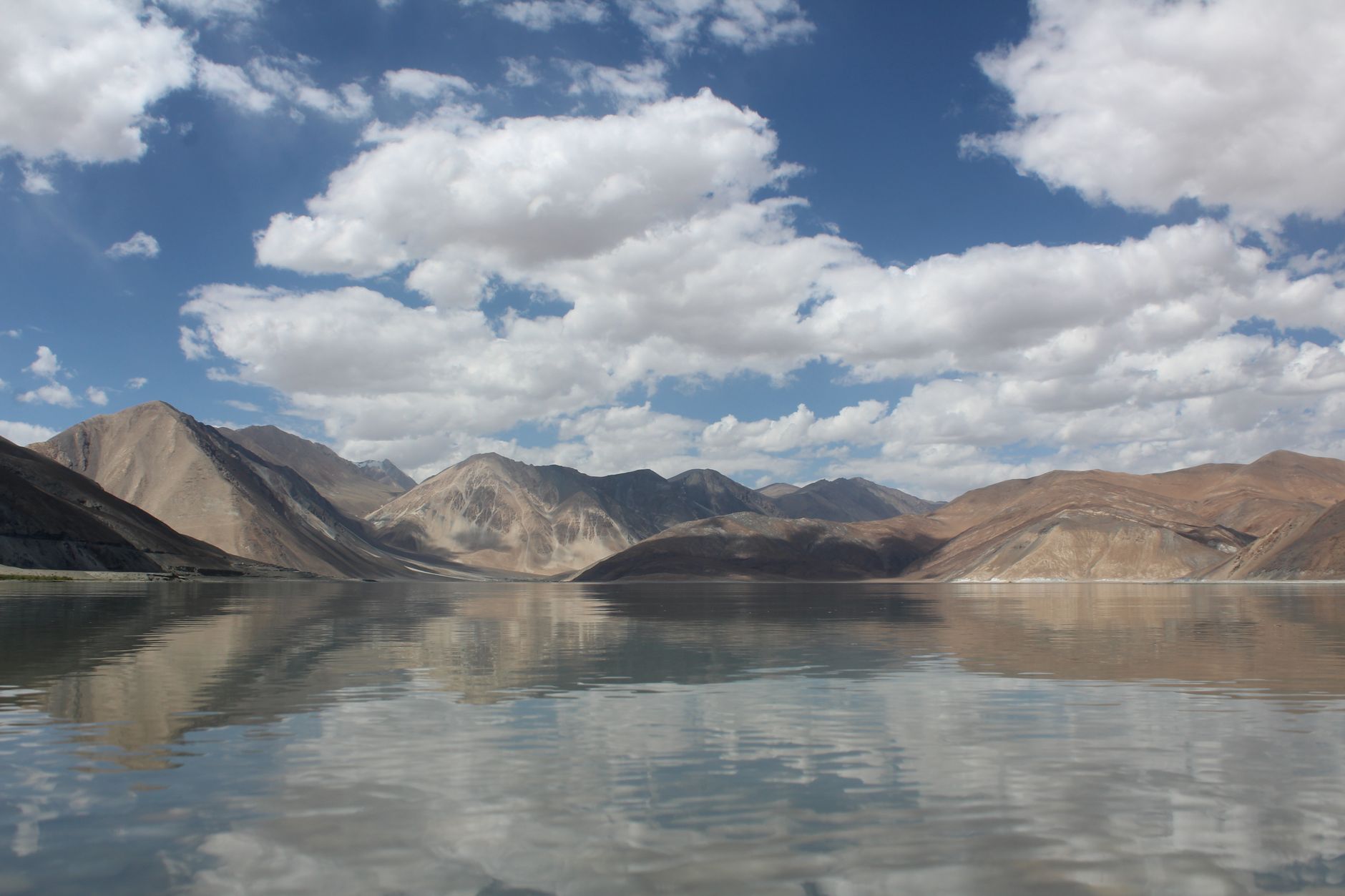
Ladakh water crisis continues to affect the region, prompting the L-G to cite PM’s support in addressing the issue. The commitment to end this crisis is stronger than ever.
Understanding the Ladakh Water Crisis
The Ladakh water crisis has become a pressing issue, with local communities facing severe water shortages due to changing climatic conditions and unsustainable practices. The region, known for its stunning landscapes, is grappling with the dual challenges of melting glaciers and erratic rainfall patterns.
Several factors contribute to the crisis:
- Climate Change: Increased temperatures have accelerated glacier melt, leading to temporary water abundance but long-term scarcity.
- Population Growth: As more people migrate to Ladakh, the demand for water has surged, putting additional strain on existing resources.
- Agricultural Practices: Traditional farming methods often rely heavily on water, which is becoming increasingly scarce.
- Infrastructure Challenges: Inadequate water management systems hinder effective distribution and conservation of water supplies.
The local government, in response to the Ladakh water crisis, has initiated various measures aimed at sustainable water management. These include the promotion of rainwater harvesting techniques, the restoration of traditional water bodies, and increasing public awareness about water conservation. Addressing these challenges is critical to securing a sustainable future for Ladakh’s residents.
Government’s Role in Water Management
The government plays a crucial role in addressing the Ladakh water crisis, implementing strategic measures to ensure sustainable water management. With the region’s unique geographic and climatic challenges, effective governance is essential in tackling the pressing issues related to water scarcity.
Key initiatives undertaken by the government include:
- Investment in Infrastructure: Developing reservoirs and water conservation structures to capture and store seasonal runoff.
- Community Engagement: Involving local communities in water management practices to enhance awareness and collective responsibility.
- Research and Development: Promoting innovative technologies for efficient water usage and recycling.
- Policy Formulation: Establishing regulations and guidelines that prioritize sustainable water allocation and usage.
Furthermore, the government is collaborating with various stakeholders, including NGOs and international organizations, to implement proven solutions that can alleviate the ongoing crisis. By focusing on a holistic approach that combines traditional knowledge with modern techniques, there is potential for significant improvements in water availability. The commitment to resolving the Ladakh water crisis reflects a broader vision of ensuring long-term sustainability and resilience for the region’s inhabitants.
L-G’s Promises for Water Solutions
In a recent address, the Lieutenant Governor (L-G) of Ladakh emphasized the urgent need to tackle the ongoing Ladakh water crisis. Drawing inspiration from Prime Minister Narendra Modi’s vision, the L-G reiterated a commitment to ensure that the region’s water resources are effectively managed and preserved.
The L-G outlined several key promises aimed at addressing the pressing water shortage that has affected local communities and ecosystems. Among these initiatives are:
- Implementation of Rainwater Harvesting: Encouraging households and institutions to adopt rainwater harvesting systems to maximize water conservation.
- Revitalization of Traditional Water Conservation Practices: Promoting the revival of ancient methods used by local communities to manage water resources sustainably.
- Investment in Infrastructure: Committing funds to improve water storage facilities, pipelines, and treatment plants to enhance water supply reliability.
- Community Awareness Programs: Launching educational campaigns to raise awareness about the importance of water conservation and sustainable practices.
Through these initiatives, the L-G aims to create a sustainable framework for water management that not only addresses the Ladakh water crisis but also ensures long-term resilience for the region’s inhabitants.
Impact of Water Scarcity on Ladakh
The water scarcity in Ladakh has profound implications for the region’s ecosystem, economy, and communities. As the effects of climate change intensify, the Ladakh water crisis has become increasingly dire, affecting agriculture, tourism, and the daily lives of residents.
Farmers have faced dwindling water supplies, leading to reduced crop yields and increased hardship. With agriculture being a primary source of livelihood, this situation threatens food security and economic stability. Many farmers are compelled to abandon traditional practices that rely on seasonal water availability.
Tourism, another vital sector for Ladakh, has also been impacted. Visitors drawn to the region’s natural beauty and cultural heritage are now confronted with the visible signs of water shortages, which detract from their experience. This decline in tourism can have cascading effects on local businesses and employment.
The social fabric of Ladakh is also strained, as communities compete for limited water resources. This has the potential to foster conflict and exacerbate existing inequalities. In light of these challenges, it is crucial for stakeholders to work collaboratively to implement sustainable solutions that address the water crisis while preserving the region’s unique environment and heritage.
Community Involvement in Water Issues
Community involvement is essential in addressing the ongoing Ladakh water crisis. Local residents, who are often the most affected by water scarcity, play a pivotal role in identifying issues and implementing solutions. Their traditional knowledge and practices can significantly contribute to sustainable water management.
Many communities in Ladakh have started initiatives to conserve water and manage resources more effectively. These efforts include:
- Rainwater Harvesting: Villagers are encouraged to build systems to collect and store rainwater, reducing dependence on dwindling sources.
- Community Awareness Campaigns: Engaging locals in discussions about water conservation helps to foster a culture of sustainability.
- Collaborative Projects: Partnerships between community members, NGOs, and local government can lead to innovative solutions tailored to specific needs.
Furthermore, empowering women to take active roles in water management has proven beneficial. Their involvement can lead to more effective decision-making and resource allocation.
Ultimately, the success of addressing the Ladakh water crisis will depend on the collaboration between the community, local authorities, and environmental organizations. By uniting efforts, Ladakh can pave the way towards a sustainable water future.
Future of Water Resources in Ladakh
The future of water resources in Ladakh hinges on innovative strategies and community-driven initiatives. As the region grapples with the ongoing Ladakh water crisis, various solutions are being explored to ensure sustainable water management and distribution.
One promising approach is the implementation of rainwater harvesting systems. This method not only seeks to capture and store rainwater but also raises awareness about the importance of water conservation among local communities.
Additionally, the use of traditional water conservation techniques, such as the construction of check dams, can play a crucial role in replenishing groundwater sources. These structures help slow down water runoff, allowing for better absorption into the soil.
Moreover, integrating modern technology with local practices can enhance water management. For instance, the introduction of smart water meters can help monitor usage and detect leaks, ultimately promoting more efficient water usage.
Involving local communities in decision-making processes is vital. By fostering a sense of ownership, residents are more likely to participate in water conservation efforts, ensuring a sustainable future for Ladakh’s water resources.
Through collaboration and innovation, there is hope for overcoming the challenges posed by the water crisis in Ladakh.
Photo by Sanskar Vyas on Pexels