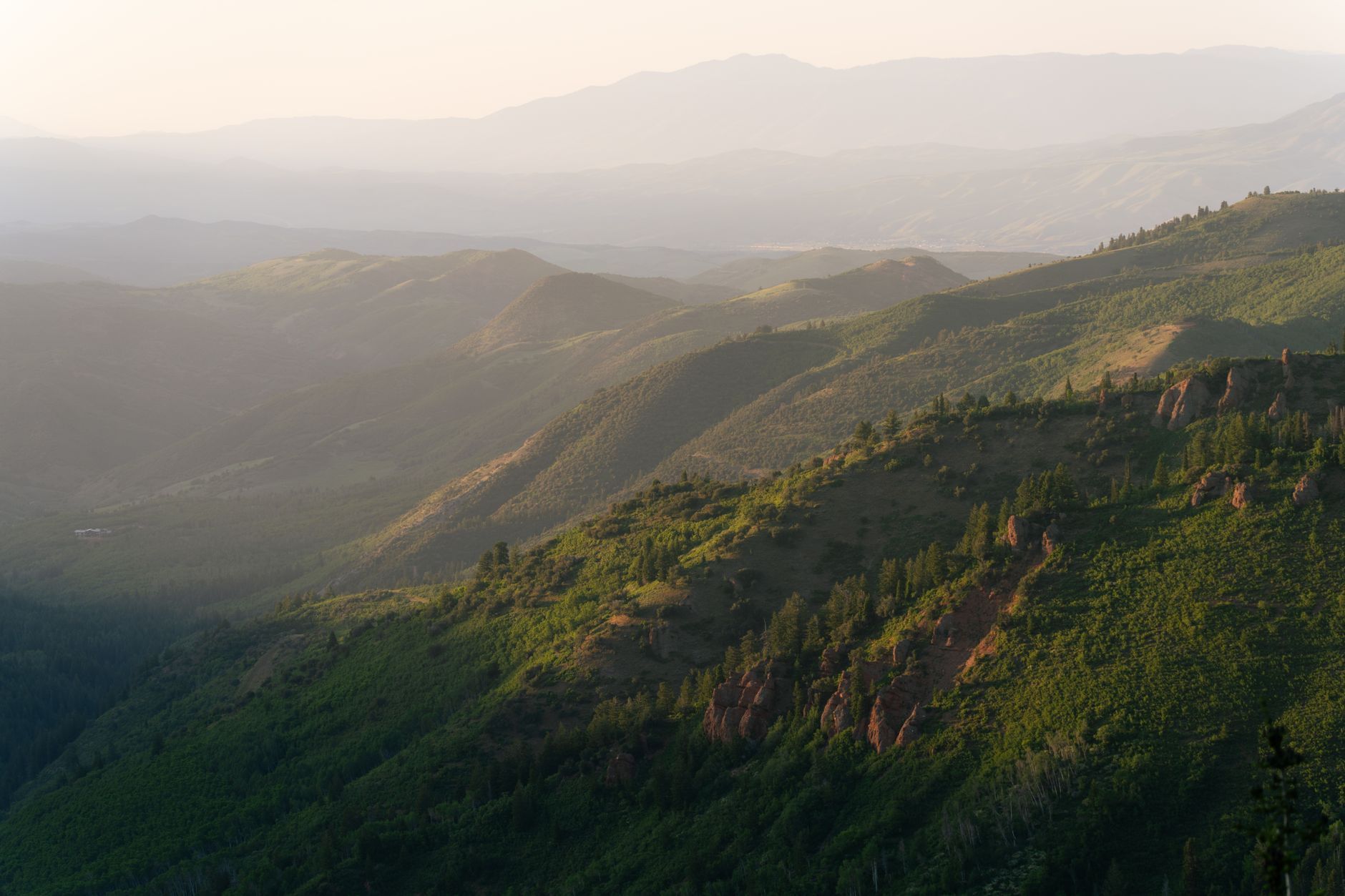
Trump public lands sale is becoming a contentious issue as he encounters strong resistance from Republican lawmakers. This development could have major implications for conservation efforts and land management.
Overview of Trump’s proposal
The proposal put forward by former President Trump regarding the sale of public lands has sparked significant debate within the Republican Party. While some party members support the idea, believing it could generate substantial revenue for the federal government, others express strong concerns about the long-term implications of such a sale.
Trump’s public lands sale plan aims to privatize millions of acres of federally owned land, which he argues could stimulate economic growth and development. However, critics within the party worry that selling off these lands could undermine environmental protections and limit public access to natural resources.
Among the key points of contention are:
- Environmental Impact: Many Republicans emphasize the importance of conserving public lands, fearing that privatization could lead to detrimental environmental consequences.
- Public Access: There is concern that selling public lands would restrict recreational access for citizens, impacting outdoor activities and tourism.
- Political Risks: Some party members caution that supporting the sale could alienate voters who prioritize conservation and public land use.
As discussions continue, the future of Trump’s public lands sale remains uncertain, with a growing divide emerging within the party. The outcome could significantly influence both environmental policy and the political landscape leading up to the next election cycle.
Republican pushback explained
As the debate surrounding the Trump public lands sale proposal intensifies, a notable faction within the Republican Party has emerged in opposition. This pushback stems from a mix of political, environmental, and economic concerns.
Many Republican lawmakers have expressed apprehension about the long-term consequences of selling off public lands. They argue that such actions could jeopardize ecosystems and diminish access to natural resources that are vital for local communities. Key points of resistance include:
- Conservation Values: Some Republicans emphasize the importance of preserving public lands for future generations, advocating for conservation over commercial interests.
- Economic Impact: Concerns have been raised about potential job losses in industries that rely on public lands, such as tourism and recreation.
- Voter Sentiment: Polls indicate that a significant portion of the Republican base values public lands, making it politically risky for lawmakers to support the sale.
In addition to these factors, some prominent Republican figures have publicly denounced the proposal, framing it as a betrayal of core party values. As discussions continue, it remains to be seen how this internal division will affect the future of the Trump public lands sale and its implications for the broader political landscape.
Impact on conservation efforts
The proposed Trump public lands sale is raising significant concerns among conservationists and environmental advocates. Critics argue that selling off public lands could have dire consequences for the nation’s natural resources and wildlife habitats. Conservation efforts that have taken decades to establish may be jeopardized if large tracts of land are transferred to private ownership.
Many believe that the sale of public lands will lead to increased development and exploitation of natural resources, including mining and drilling, which could disrupt ecosystems. Some key impacts include:
- Habitat Loss: The conversion of public lands to private holdings can lead to the destruction of critical habitats for endangered species.
- Water Quality: Increased industrial activities could pollute nearby water sources, affecting both wildlife and communities that rely on these resources.
- Access Issues: Public lands are often used for recreation; privatizing these areas might limit public access.
Additionally, the sale could undermine local economies that depend on tourism and outdoor activities. Many small businesses thrive on the visitors who come to enjoy the beauty and recreational opportunities provided by public lands. As the debate intensifies, it remains to be seen how the Trump public lands sale will ultimately affect both conservation efforts and local communities across the country.
Public opinion on land sales
As discussions surrounding the Trump public lands sale proposal gain momentum, public opinion appears to be a significant factor influencing the debate. Recent polls indicate that a majority of Americans are opposed to the sale of public lands, viewing them as vital resources that should remain protected for future generations.
Many citizens express concerns regarding the potential environmental impacts of such sales, fearing that privatization could lead to increased development and degradation of natural habitats. A survey conducted by a leading environmental organization found that:
- 65% of respondents believe public lands should be preserved for recreation and conservation.
- 70% think selling these lands would benefit wealthy corporations rather than local communities.
- 58% feel that access to public lands is essential for their quality of life.
Moreover, key Republican figures have also expressed their reservations. They highlight the potential backlash from constituents who value outdoor recreation and tourism, which significantly contribute to local economies. As debates intensify, these differing viewpoints underscore the complexities surrounding the Trump public lands sale initiative. Many voters appear to be mobilizing, urging their representatives to prioritize conservation over commercialization.
Historical context of public lands
The context of public lands in the United States is deeply rooted in the nation’s history and reflects ongoing debates over land use and environmental stewardship. Since the early days of the republic, public lands have been viewed as vital resources for economic growth and national development. The establishment of the Homestead Act in 1862 marked a significant moment, enabling citizens to claim land for agriculture and settlement. This act, along with others, laid the groundwork for the extensive federal land ownership seen today.
Throughout the 20th century, public lands became increasingly associated with conservation efforts. The establishment of national parks and wildlife refuges aimed to protect the nation’s natural heritage while promoting recreational opportunities. However, the balance between conservation and resource extraction has often been contentious. The debate intensified with the rise of the environmental movement in the 1960s and 1970s, leading to significant legislative protections for public lands.
As discussions about the Trump public lands sale intensify, it is crucial to recognize how historical perspectives influence current policies. Many Republicans, traditionally supportive of land sales for economic purposes, are now grappling with the implications of reducing public land holdings. This resistance underscores a growing acknowledgment of the intrinsic value of these lands, not just for revenue generation but also for their ecological and cultural significance.
Key players in the debate
The debate over the Trump public lands sale includes several key players who are shaping the discussion and influencing public sentiment.
- Trump Administration Officials: High-ranking members of the Trump administration are advocating for the sale, arguing that it could generate significant revenue for the federal government. They emphasize the potential for economic development in local communities.
- Republican Lawmakers: While some Republicans initially supported the idea, a growing number are voicing strong opposition. They express concerns about long-term impacts on conservation and the loss of public access to natural resources.
- Conservation Groups: Environmental organizations are mobilizing against the proposed sales. They argue that public lands should remain in government hands to protect wildlife habitats and preserve natural beauty for future generations.
- Local Communities: Residents in areas near public lands are divided. Some see the potential for economic growth, while others fear that land sales could lead to increased development and loss of recreational spaces.
- Voters: Public opinion polls indicate that many Americans oppose the idea of selling off public lands. Voter sentiment is a critical factor as elections approach, and constituents are making their voices heard.
The interplay between these key players will ultimately determine the fate of the Trump public lands sale and its implications for the future of America’s public resources.
Future implications for U.S. policy
The ongoing debate surrounding the Trump public lands sale proposal has significant implications for future U.S. policy, particularly in relation to land management and environmental protections. As the Republican party grapples with internal divisions on this issue, the outcome could reshape its platform moving forward.
Several factors will determine how this debate evolves:
- Legislative Action: Future legislation may aim to clarify the boundaries of federal land sales, potentially leading to stricter regulations or outright bans on public land sales.
- Public Sentiment: Continued public opposition to land sales could pressure lawmakers to prioritize conservation efforts, influencing how they address land management issues.
- Environmental Advocacy: Environmental groups are likely to increase their lobbying efforts, aiming to prevent any shifts towards privatization of public lands.
- Republican Unity: The extent to which the party can reconcile its differing views on land sales will be crucial in determining its stance on environmental policies in general.
The implications of the Trump public lands sale initiative extend beyond immediate discussions; they may redefine the relationship between the government, the public, and the land itself. As the country moves forward, the balance between economic interests and conservation will remain a pivotal topic in U.S. policy-making.
Next steps for lawmakers
As the debate surrounding the Trump public lands sale continues to unfold, lawmakers find themselves at a crossroads regarding the future of U.S. public lands. The upcoming weeks will be crucial as legislators assess the feasibility of the proposed sale and its implications for conservation and public access.
Lawmakers are likely to engage in a series of discussions and negotiations aimed at addressing the concerns raised by various stakeholders. Key steps include:
- Committee Hearings: Congressional committees are expected to hold hearings to gather input from environmental groups, local communities, and industry representatives.
- Drafting Legislation: Some lawmakers may propose alternative solutions that balance land management and preservation without resorting to sales.
- Building Coalitions: Bipartisan efforts will be essential as lawmakers seek to unite around a strategy that satisfies both conservationists and those favoring economic development.
- Public Engagement: Increased outreach efforts will be crucial, as lawmakers aim to gauge public sentiment and inform constituents about the potential consequences of land sales.
Ultimately, the path forward will depend on the willingness of lawmakers to collaborate and find common ground. The outcome of these discussions could set a precedent for how public lands are managed and protected for generations to come.
The Trump public lands sale has ignited a fierce debate among Republican lawmakers, many of whom are concerned about the environmental impacts. As opposition grows, the future of the Trump public lands sale remains uncertain.
Photo by Alex Moliski on Pexels