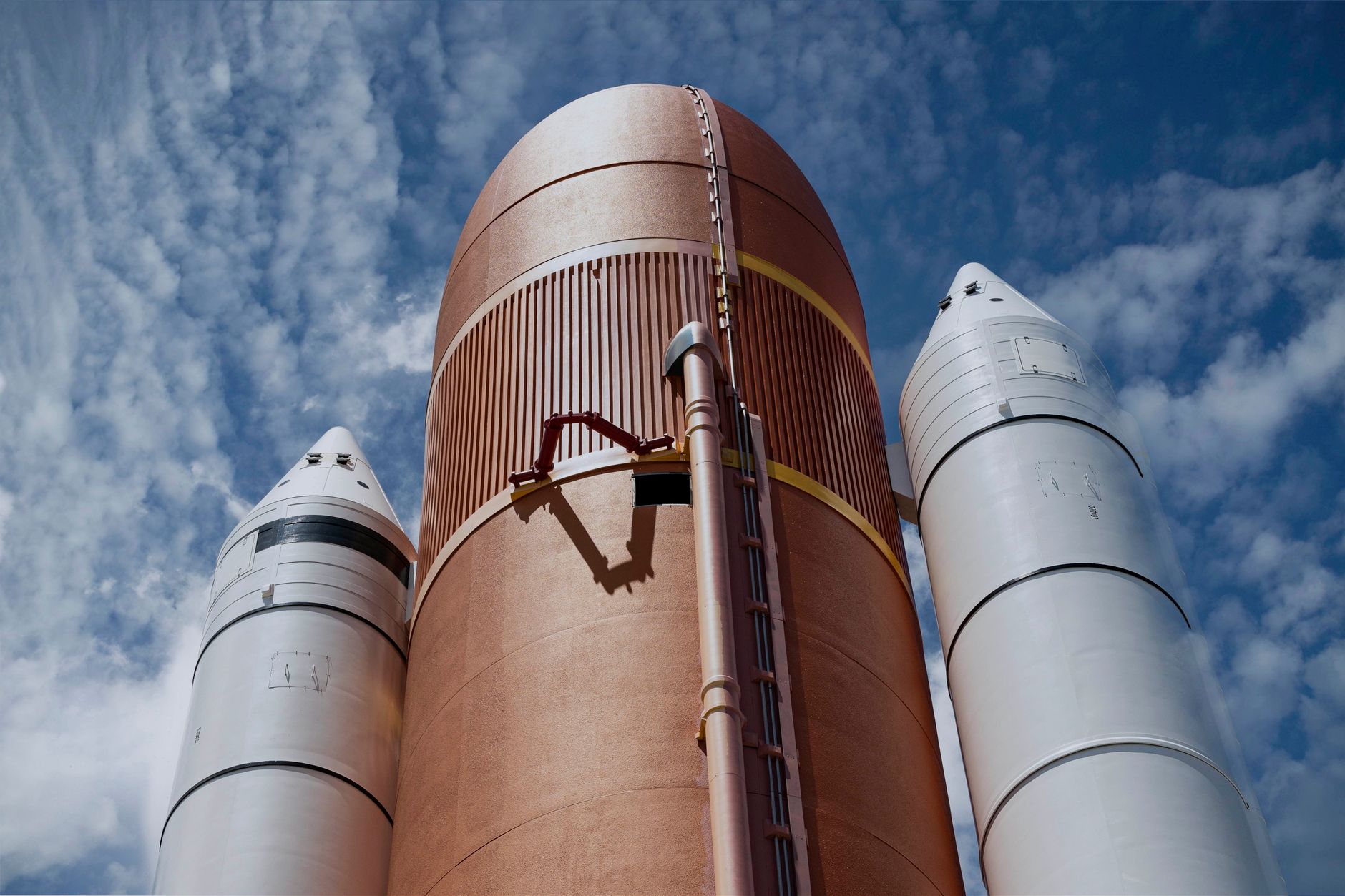
Cheaper NASA missions are becoming a focal point for the agency as they seek sustainable ways to continue scientific exploration. This strategy could reshape how we approach space science.
The Future of NASA Missions
As NASA looks to the future, the focus on cheaper NASA missions is becoming increasingly pivotal. By adopting cost-effective strategies, the agency aims to maintain its scientific output while navigating budget constraints. This shift reflects a broader trend in space exploration, where innovation and efficiency are paramount.
Several initiatives are being implemented to ensure the success of these missions:
- Streamlined Processes: NASA is re-evaluating its project management approaches to reduce unnecessary spending. By utilizing faster development cycles and agile methodologies, the agency can bring missions to fruition more efficiently.
- Collaborative Efforts: Partnerships with private companies and international organizations are becoming more common. These collaborations allow NASA to leverage external expertise and resources, further driving down costs.
- Focus on Technology: Investing in new technologies that enhance mission capabilities while minimizing expenses is a priority. This includes the use of smaller, more versatile spacecraft that can accomplish various objectives at a fraction of the traditional cost.
Ultimately, the future of NASA missions hinges on this innovative approach. By embracing cheaper NASA missions, the agency not only seeks to sustain its scientific endeavors but also to inspire a new generation of explorers eager to push the boundaries of our understanding of the universe.
How Cheaper Missions Work
NASA’s approach to conducting cheaper missions hinges on innovative strategies that enhance efficiency while reducing costs. This shift not only preserves scientific integrity but also allows for a broader range of exploratory endeavors.
One of the primary tactics involves leveraging commercial partnerships. By collaborating with private companies, NASA can utilize existing technologies and infrastructures, thus minimizing development costs. These partnerships enable quicker turnarounds and access to cutting-edge innovations.
Additionally, missions are designed with a focus on modularity. This means that components can be reused or repurposed across different projects, significantly cutting expenses and time. A modular approach allows for incremental improvements based on past missions, optimizing both performance and budget.
Another essential aspect is the use of smaller, more agile spacecraft. These vehicles are not only less expensive to build and launch but can also be deployed more rapidly than traditional, larger missions. This agility opens the door to a wider array of research opportunities.
Finally, NASA is increasingly employing data-driven methodologies to prioritize mission objectives, ensuring that each project yields maximum scientific return relative to its cost. By strategically focusing on high-impact areas, NASA aims to sustain its scientific mission while embracing a future of cheaper missions.
Benefits of Budget-Friendly Space Exploration
As NASA embraces the strategy of cheaper missions, the benefits extend far beyond mere cost savings. These budget-friendly space exploration initiatives provide several significant advantages that can enhance the agency’s scientific output and foster innovation.
- Increased Frequency of Missions: Cheaper NASA missions enable more frequent launches, allowing scientists to gather data and conduct experiments at a quicker pace. This increased cadence can lead to faster advancements in our understanding of space and related sciences.
- Diverse Research Opportunities: With lower costs, NASA can allocate resources to a wider variety of missions. This diversity allows for exploration of different celestial bodies and phenomena, expanding the scope of scientific inquiry.
- Encouragement of Innovation: Budget-friendly missions often rely on smaller teams and innovative technologies. This encourages creative problem-solving and the development of new methodologies that can be applied to future projects.
- Enhanced Collaboration: Cheaper missions pave the way for partnerships with universities and private sector companies, fostering collaborations that can lead to groundbreaking discoveries.
- Sustainable Science: By adopting a model that prioritizes cost efficiency, NASA can ensure the sustainability of its scientific endeavors, maintaining a continuous presence in space exploration despite budget constraints.
In conclusion, the shift toward cheaper NASA missions not only sustains scientific research but also promotes a thriving ecosystem of exploration and discovery.
Challenges Facing NASA
As NASA pivots towards cheaper missions, it also faces a myriad of challenges that could impact its success. These challenges stem from both technological and logistical hurdles that must be navigated carefully.
- Funding Limitations: With budget constraints becoming more prevalent, securing adequate funding for innovative projects remains a significant hurdle. NASA must balance its ambitions with the reality of limited resources.
- Technological Advancements: While advancing technology can reduce costs, developing and integrating new systems into existing frameworks requires time and investment. Ensuring these technologies are reliable is crucial for mission success.
- Public and Political Support: Gaining sustained public interest and political backing is vital for the longevity of cheaper NASA missions. As priorities shift, maintaining momentum in funding and support can be challenging.
- International Collaboration: NASA often collaborates with international partners on missions. Differences in goals, funding, and timelines can complicate these partnerships and lead to delays.
Each of these challenges must be addressed to ensure that the move toward cheaper missions does not compromise the quality and safety of NASA’s scientific endeavors. A proactive approach will be essential in overcoming these obstacles and achieving the desired outcomes in space exploration.
Innovative Approaches to Space Science
In an era where budgets are constantly scrutinized, NASA is exploring innovative approaches to make space science more accessible and affordable. By adopting these methods, the agency aims to conduct cheaper NASA missions that still deliver significant scientific output.
One of the key strategies involves utilizing smaller, more agile spacecraft. These compact missions can be launched at a fraction of the cost of traditional, larger missions, allowing for greater flexibility and quicker turnaround times. CubeSats, for example, have emerged as a popular choice among researchers, providing effective platforms for various experiments while minimizing expenses.
Another approach is leveraging partnerships with private companies and academic institutions. By collaborating with these entities, NASA can harness additional resources and expertise, reducing the financial burden on the agency. This synergy fosters innovation and broadens the scope of research possibilities.
Furthermore, incorporating advanced technologies such as artificial intelligence and machine learning can optimize mission planning and data analysis, streamlining operations and cutting costs. As NASA continues to embrace these innovative strategies, the potential for cheaper NASA missions could pave the way for a new era of space exploration, enabling scientists to tackle complex questions about our universe more efficiently.
Ultimately, these approaches not only enhance the feasibility of future missions but also ensure that space science remains vibrant and impactful for years to come.
Public Response to NASA’s Strategy
Public response to NASA’s strategy of launching cheaper missions has been largely positive, with many expressing enthusiasm for the potential benefits these budget-friendly explorations could bring. Supporters argue that lower costs may lead to a new era of innovation in space science, allowing for more frequent missions and increased opportunities for discoveries.
Many community members and space enthusiasts have taken to social media to voice their approval of NASA’s approach. Comments often highlight the following points:
- Increased Accessibility: Cheaper NASA missions could open the door for more collaborations with universities and private companies, fostering a greater interest in STEM fields.
- Scientific Advancements: With a focus on cost-effective strategies, the scientific community anticipates a surge in novel experiments and research initiatives, potentially leading to groundbreaking findings.
- Public Engagement: Lowering mission costs may also result in more engaging public outreach programs, enticing younger generations to explore careers in space science.
However, not all feedback has been celebratory. Some critics express concern over whether the reduced budgets might compromise mission quality or scientific rigor. They argue that while cheaper missions are essential, maintaining high standards in research and technology remains crucial for the future of space exploration.
Overall, the conversation surrounding cheaper NASA missions reflects a community eager to see how these changes will shape the future of space science.
Comparing Costs of Space Missions
In recent years, the conversation surrounding space exploration has increasingly focused on the costs associated with various missions. Cheaper NASA missions have emerged as a viable alternative to traditional, high-budget projects, leading to a significant shift in how the agency approaches its scientific goals.
Comparisons between past and present missions reveal a notable trend: missions that once required billions now increasingly operate on budgets in the hundreds of millions. For instance, the Mars 2020 Perseverance rover mission had a budget of approximately $2.7 billion, while the recent Mars helicopter, Ingenuity, was developed for about $80 million. This stark contrast highlights the effectiveness of adopting more cost-efficient strategies.
Several factors contribute to the reduced costs of these missions:
- Smaller Teams: Streamlined teams focused on specific objectives reduce overhead expenses.
- Reusable Technology: Innovations in technology, such as reusable rockets, minimize expenses over time.
- Collaborative Efforts: Partnerships with private companies and international space agencies help share costs and expertise.
Ultimately, the pursuit of cheaper NASA missions not only facilitates ongoing scientific research but also fosters a more sustainable approach to exploring the cosmos. As the agency continues to innovate, it remains to be seen how this strategy will shape the future of space exploration.
The Role of Technology in Reducing Costs
Technology plays a crucial role in the shift towards cheaper NASA missions, enabling the agency to explore new avenues for cost reduction while maintaining scientific integrity. By leveraging advancements in various fields, NASA is not only cutting expenses but also improving the efficiency and effectiveness of its missions.
Some of the key technological innovations include:
- Miniaturization: Smaller, more efficient instruments allow for the same scientific output at a fraction of the cost.
- 3D Printing: This technology reduces manufacturing costs and time, enabling rapid prototyping and the production of complex components.
- Advanced Materials: Utilizing lightweight and durable materials can significantly decrease launch costs and enhance mission longevity.
- Autonomous Systems: Autonomous spacecraft can reduce the need for human intervention, thereby decreasing operational costs and increasing mission safety.
Furthermore, software advancements in data processing and satellite communication contribute to lower mission costs by enhancing the ability to analyze vast amounts of data efficiently. As NASA continues to invest in cutting-edge technologies, the potential for cheaper NASA missions becomes increasingly feasible, allowing the agency to sustain its scientific endeavors in an era of budget constraints.
Innovative partnerships with private companies have shown promise in delivering cheaper NASA missions without sacrificing scientific integrity. By leveraging existing technologies, researchers can design cheaper NASA missions that maximize data collection while minimizing costs.
Photo by john mckenna on Pexels
Read the original
Related reading
Early Detection Pneumonia: The Smart Way to Save Lives · Climate Performance Index: India Drops to 28th Place · All Whites v India: Quick Victory for NZ in Auckland