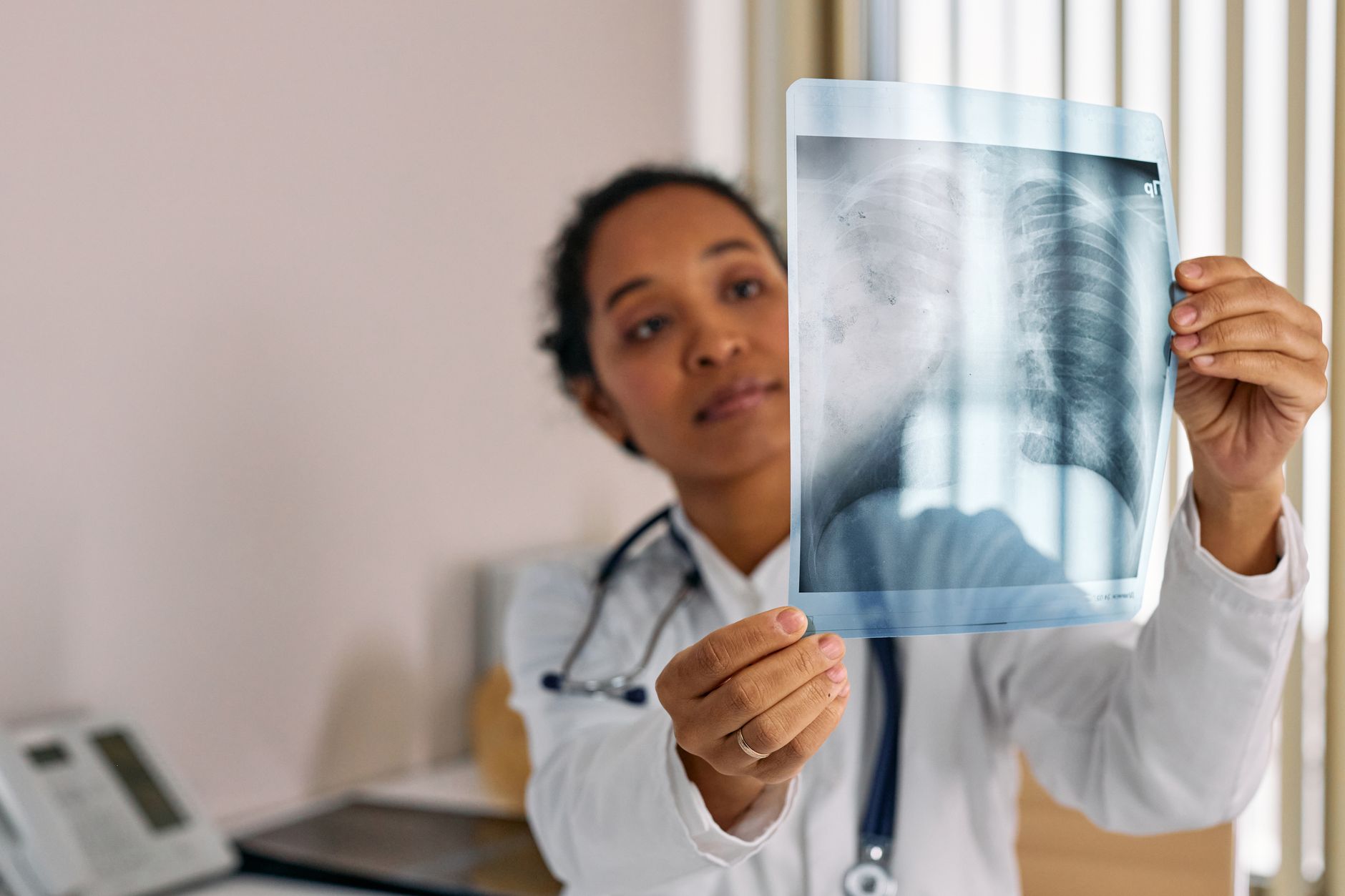
early detection pneumonia is vital for combating this serious illness, especially at sea. Understanding the importance of timely medical access can significantly improve outcomes for affected individuals.
Understanding Pneumonia and Its Risks
Pneumonia is a serious lung infection that can affect individuals of all ages, but it poses particular risks for young children, the elderly, and those with weakened immune systems. Understanding pneumonia is crucial in mitigating its impact, especially in vulnerable populations.
There are several types of pneumonia, including bacterial, viral, and fungal infections. Symptoms can vary but often include:
- Cough: Often accompanied by phlegm or mucus.
- Fever: A common response to infection, indicating that the body is fighting off pathogens.
- Shortness of breath: Difficulty in breathing can occur, especially during physical activity.
Without timely medical intervention, pneumonia can lead to severe complications, including respiratory failure or even death. This underscores the importance of early detection pneumonia, which can significantly increase the chances of effective treatment and recovery. Recognizing early signs and symptoms can facilitate prompt medical care, ultimately saving lives. On occasions like World Pneumonia Day, raising awareness about the importance of early detection and accessible healthcare is vital, especially in remote areas where healthcare resources may be limited.
The Importance of Early Detection
Early detection pneumonia is crucial in ensuring effective treatment and better patient outcomes. When pneumonia is identified in its early stages, patients can receive timely medical interventions that significantly reduce the risk of severe complications or hospitalization.
The importance of recognizing the symptoms of pneumonia cannot be overstated. Common signs include:
- Persistent cough: Often accompanied by phlegm or mucus.
- Shortness of breath: Difficulty breathing or rapid breathing can indicate worsening conditions.
- Chest pain: Discomfort or pain that worsens with deep breaths or coughing.
- Fever and chills: These are common indicators of infection.
Regular health check-ups and awareness campaigns play a pivotal role in promoting early detection pneumonia. By educating communities about the risks and recognizing symptoms, healthcare systems can improve outcomes and save lives. Access to medical care, particularly in remote or underserved areas, is essential. On World Pneumonia Day, the focus on early detection highlights the need for proactive measures to combat this serious health threat.
How to Access Medical Care at Sea
Accessing medical care at sea can be challenging, but it is crucial for the early detection of pneumonia and other health concerns. Here are some steps to ensure you can get the help you need while on the water:
- Know Your Location: Always be aware of your coordinates and the nearest port. This information is vital when calling for help.
- Equip Your Vessel: Ensure your boat is stocked with basic medical supplies, including a first aid kit and any necessary medications.
- Communication Devices: Carry reliable communication tools, such as a VHF radio or satellite phone, to reach medical professionals in case of emergencies.
- Training: Consider taking first aid and CPR courses, which can aid in recognizing symptoms of pneumonia and other serious conditions.
- Emergency Plans: Have a clear plan in place for medical emergencies, including designated roles for crew members and a route to the nearest medical facility.
By taking these proactive steps, individuals can significantly improve their chances of early detection and timely medical intervention, ultimately saving lives at sea.
Preventative Measures for Sailors
In the challenging environment of maritime life, sailors face unique health risks, including pneumonia. Implementing preventative measures is crucial for early detection pneumonia and ensuring the well-being of crew members. Here are some key strategies:
- Regular Health Screenings: Conduct routine health assessments that include lung function tests to identify respiratory issues early.
- Vaccination: Ensure crew members are vaccinated against pneumonia and influenza, reducing the risk of respiratory infections.
- Hygiene Practices: Promote good hygiene, such as frequent hand washing and using sanitizers, to minimize the spread of germs.
- Awareness Training: Provide training on recognizing the early signs of pneumonia, enabling sailors to seek medical help promptly.
- Healthy Lifestyle: Encourage a balanced diet and regular exercise to strengthen the immune system, which plays a vital role in preventing respiratory illnesses.
By prioritizing these measures, sailors can enhance their health outcomes and contribute to the overall safety of their voyages. Early detection pneumonia could significantly reduce complications and save lives at sea.
Global Impact of Pneumonia
Pneumonia remains a significant global health issue, affecting millions of individuals each year. The World Health Organization estimates that pneumonia is a leading cause of morbidity and mortality, particularly in vulnerable populations such as children and the elderly. The impact of pneumonia is not limited to land; it poses serious risks for sailors and those at sea, where access to medical care can be limited.
Early detection of pneumonia is crucial in mitigating its effects, as timely intervention can significantly improve outcomes. In maritime environments, recognizing early signs of respiratory distress can save lives. Sailors are often exposed to various risk factors, including harsh weather conditions and crowded living spaces, which can exacerbate respiratory illnesses.
According to recent reports, global initiatives on World Pneumonia Day emphasize the need for awareness and education regarding early detection pneumonia, particularly for those working in maritime industries. It is essential for sailors to be educated on the symptoms and to seek medical attention at the first sign of illness. By prioritizing early detection, the maritime community can contribute to reducing the overall burden of pneumonia worldwide.
Success Stories in Early Detection
Success stories in early detection pneumonia highlight the critical role timely diagnosis plays in saving lives. Numerous healthcare professionals and organizations have implemented innovative strategies to ensure that pneumonia is detected early, particularly in vulnerable populations.
One such initiative was launched by a coastal health organization that developed a mobile app for sailors. This app allows users to report symptoms and receive immediate feedback on whether they should seek medical attention. In its first year, the app facilitated early detection pneumonia cases, reducing hospitalization rates by 30% among participating sailors.
Another success story comes from a community health program in rural areas, where outreach teams conduct screening camps. These camps focus on educating the community about the dangers of pneumonia and the importance of recognizing early symptoms. As a result, more individuals sought medical care promptly, resulting in a significant decrease in pneumonia-related fatalities.
The collaboration between local clinics and health organizations has proven vital. By sharing resources and knowledge, they have successfully increased awareness about early detection pneumonia and improved overall health outcomes in their communities.
Photo by cottonbro studio on Pexels
Sources
Related reading
Climate Performance Index: India Drops to 28th Place · All Whites v India: Quick Victory for NZ in Auckland · Trump public lands sale faces tough Republican resistance