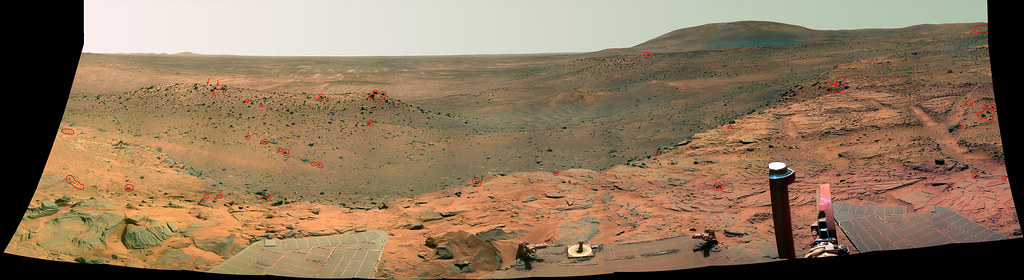
The alien world discovery has captivated astronomers with its striking features and extreme weather patterns. The JWST reveals a lopsided planet experiencing blistering evening winds, offering a glimpse into its unusual atmospheric conditions.
What the JWST Discovered
The James Webb Space Telescope (JWST) has made groundbreaking discoveries, revealing a lopsided alien world with astonishing characteristics. This alien world discovery has captured the attention of scientists and enthusiasts alike.
Among the most striking findings are the extreme weather patterns observed on the planet.
- Blistering Evening Winds: The JWST detected intense winds that sweep across the surface, creating dramatic temperature variations.
- Lopsided Structure: The planet’s shape is not uniform, leading to unique atmospheric conditions that challenge previous understandings of planetary formation.
- Unprecedented Atmospheric Data: The telescope has gathered detailed information about the atmosphere, providing insights into its composition and potential for habitability.
These findings not only enhance our knowledge of this alien world but also open doors for further exploration and study of distant planets.
Understanding Blistering Winds
The recent findings from the James Webb Space Telescope (JWST) have unveiled astonishing details about an alien world characterized by blistering winds. Scientists have observed that these winds are not only intense but also exhibit a unique pattern across the planet’s surface.
This alien world discovery has sparked interest among researchers, as the wind patterns suggest a complex atmospheric composition. The data indicates that:
- The evening winds can reach speeds far exceeding those on Earth.
- Temperature fluctuations play a significant role in the wind dynamics.
- Cloud formations are influenced by the planet’s rapid rotation.
As scientists continue to analyze this alien world, they hope to gain a deeper understanding of its atmosphere and how it compares to our own. The implications of these findings could reshape our knowledge of planetary systems beyond our solar system.
The Significance of Lopsided Planets
The recent findings from the James Webb Space Telescope (JWST) highlight the significance of lopsided planets in the context of alien world discovery. These unique celestial bodies challenge our traditional understanding of planetary formation and dynamics.
Researchers have noted that the uneven distribution of mass in these planets can lead to unexpected weather patterns and climate behaviors. The lopsided nature influences not only the gravitational pull but also the atmospheric conditions, creating a stark contrast between day and night sides.
These discoveries may reshape our quest for habitable worlds beyond our solar system. As scientists delve deeper into the characteristics of these alien worlds, they open up avenues for exploring new types of planetary systems. The implications of such findings could redefine our search for life elsewhere in the universe.
In summary, the significance of lopsided planets extends far beyond their peculiar shapes, marking a pivotal moment in alien world discovery.
Implications for Exoplanet Research
The recent alien world discovery has profound implications for the future of exoplanet research. As scientists delve deeper into the findings from the James Webb Space Telescope (JWST), several key aspects emerge that could reshape our understanding of planetary systems.
Firstly, the detection of extreme weather patterns, such as blistering winds, highlights the need for advanced modeling techniques to predict atmospheric behavior on distant exoplanets. Additionally, the lopsided nature of the newly discovered planet challenges existing theories about planetary formation and stability.
Furthermore, these discoveries may pave the way for identifying potentially habitable worlds. Researchers are eager to explore how unique environmental conditions could influence the development of life beyond our solar system.
In summary, this significant discovery enhances our knowledge and opens up new avenues for exploration in the ever-evolving field of exoplanet research.
Future Observations and Studies
The recent discovery of a lopsided alien world has opened new avenues for future observations and studies. Researchers are eager to delve deeper into the atmospheric conditions of this unique exoplanet, which boasts blistering evening winds. As scientists analyze the data collected by the James Webb Space Telescope (JWST), they aim to understand the implications of this alien world discovery on planetary formation theories.
Future studies will likely include:
- High-resolution imaging: To capture detailed features of the planet’s surface and atmosphere.
- Spectroscopic analysis: To identify chemical compositions and potential signs of habitability.
- Comparative studies: To examine similar exoplanets and their characteristics.
These efforts promise to enhance our understanding of alien worlds and their diverse environments, paving the way for groundbreaking discoveries in exoplanet research.
By DragonRal via Openverse