deal with Iran is generating positive sentiments as Vance states the US is feeling optimistic about the prospects of reaching an agreement. Trump adds that it could very well happen soon.
Current US-Iran Relations
Current US-Iran relations have been characterized by a mix of cautious optimism and persistent challenges. Recently, US officials expressed a sense of hope regarding the potential to reach a deal with Iran that could stabilize the region and address nuclear concerns.
During a recent briefing, a senior US diplomat noted, “We are feeling pretty good about prospects” for advancing negotiations with Iran. This statement reflects a shift in tone, suggesting that diplomatic efforts are gaining momentum.
However, the path forward remains complex. Key issues that need resolution include:
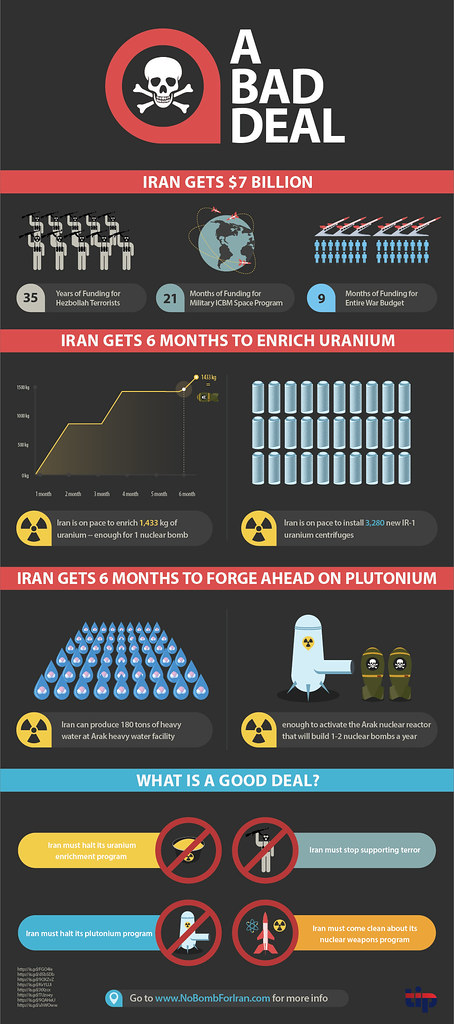
- Nuclear Program: Ongoing concerns about Iran’s nuclear ambitions continue to be a major sticking point.
- Sanctions Relief: Iran seeks significant sanctions relief as part of any potential agreement.
- Regional Stability: The US aims to address broader security concerns in the Middle East.
As former President Trump remarked, “It could happen!” indicating that the possibility of a deal with Iran is not out of reach. The international community closely watches these developments, hoping for a breakthrough that could lead to lasting peace.
Vance’s Optimistic Remarks
In a recent statement, U.S. envoy Robert Vance expressed optimism regarding the ongoing negotiations aimed at reaching a deal with Iran. Vance noted that the United States is “feeling pretty good about prospects” for a successful agreement that could ease tensions in the region. His remarks come at a time when many are closely watching the diplomatic efforts to stabilize relations between the two nations.
Vance highlighted several key factors contributing to this positive outlook:
- Increased Engagement: Both sides have shown a willingness to engage in dialogue, which is essential for any successful negotiation.
- Flexibility: There have been indications that Iran may be open to revising its stance on certain contentious issues.
- Support from Allies: The involvement of international allies has also played a crucial role in creating a conducive environment for discussions.
Former President Trump added to the conversation, stating, “It could happen!” This statement reflects a sense of cautious optimism that a deal with Iran is within reach, underscoring the potential for a significant shift in U.S.-Iran relations.
Trump’s Take on Potential Deal
Former President Donald Trump recently weighed in on the potential for a new deal with Iran, expressing optimism about the negotiations. During a recent interview, he stated, “It could happen,” indicating his belief that a constructive dialogue may be on the horizon. Trump’s comments come in the wake of renewed discussions aimed at addressing longstanding tensions between the two nations.
In the past, Trump has been vocal about his administration’s approach to Iran, which included the withdrawal from the Joint Comprehensive Plan of Action (JCPOA) in 2018. He emphasized the importance of a comprehensive deal that would address not only nuclear capabilities but also regional security issues. This time, his remarks suggest a willingness to consider a fresh start in US-Iran relations.
Many analysts view Trump’s comments as a significant shift, especially given the current geopolitical climate. The possibility of a deal could pave the way for improved diplomacy and stability in the Middle East. As discussions progress, stakeholders are closely monitoring the situation, hopeful for a breakthrough that could lead to lasting peace.
Implications for Middle East Peace
The potential for a deal with Iran carries significant implications for peace in the Middle East. Observers suggest that a successful agreement could serve as a catalyst for greater stability in the region, fostering diplomatic relations among neighboring countries.
One major outcome of a deal could be the reduction of tensions in areas currently affected by Iranian influence. By addressing core issues such as nuclear proliferation and military engagements, a framework for cooperation may emerge, allowing for enhanced security cooperation between Iran and its neighbors.
Furthermore, improved US-Iran relations could pave the way for economic opportunities, leading to increased trade and investment in the region. This economic boost could help alleviate some of the underlying issues that contribute to conflict.
However, the success of any agreement will depend on the willingness of all parties to engage in good faith negotiations. Stakeholders must also consider the perspectives of regional allies who may feel threatened by a rapprochement with Iran.
In summary, the prospects for a deal with Iran not only offer hope for bilateral relations but also present a unique opportunity to foster broader peace across the Middle East.
What a Deal Could Mean for Diplomacy
A potential deal with Iran could signify a pivotal shift in diplomatic relations, not only between the US and Iran but also across the broader Middle Eastern landscape. Such an agreement may open doors for enhanced dialogue, reducing tensions that have historically plagued the region.
Beyond immediate bilateral benefits, the implications of a successful negotiation could foster a more stable environment for neighboring countries. With a focus on diplomacy, stakeholders might find common ground on issues like nuclear development and regional security.
Key outcomes of a deal with Iran could include:
- Improved Relations: Strengthened ties could lead to a more cooperative approach in addressing regional conflicts.
- Economic Opportunities: Lifting sanctions might result in increased trade and investment, benefiting both economies.
- Increased Security: A comprehensive agreement could help mitigate threats and promote stability across the region.
Ultimately, the prospects of a deal with Iran represent not just an opportunity for reconciliation but a chance to redefine diplomatic engagement in a complex geopolitical landscape.
By Facts for a Better Future via Openverse