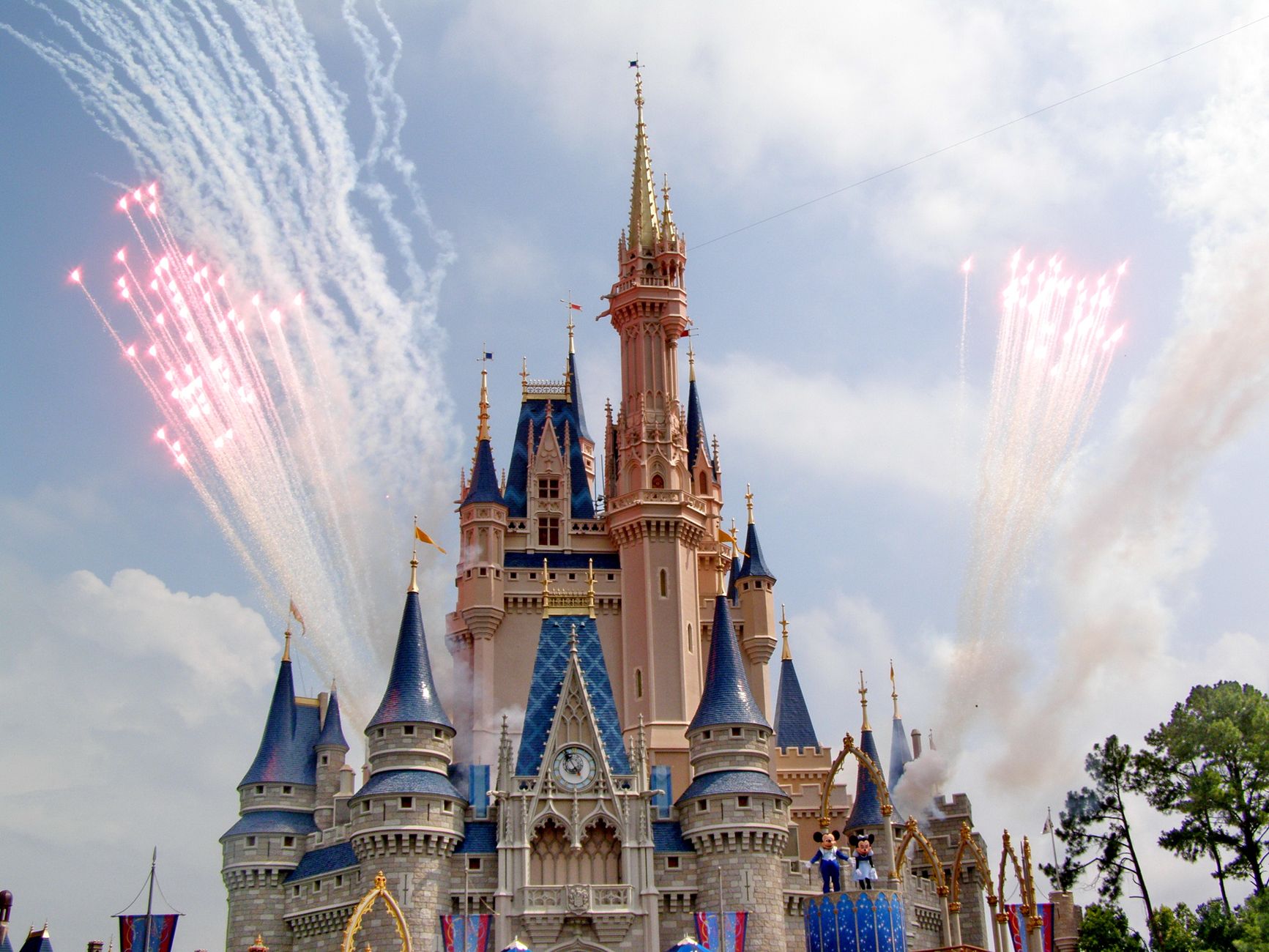
Disney shooter delays are becoming a major concern as AI takes a bigger development role in the industry. This shift is impacting timelines and project completions significantly.
Understanding the Disney Shooter Delays
The recent announcement regarding the delays in the development of the Disney shooter has sparked widespread discussion within the gaming community. As the industry evolves, the role of artificial intelligence in game development has become increasingly significant.
These delays can be attributed to several factors:
- Integration of AI technologies: Developers are now relying heavily on AI to enhance gameplay and create more immersive experiences. This shift has resulted in additional time needed for implementation.
- Quality assurance: With AI playing a larger role, ensuring that the game meets high standards has become more complex, leading to longer testing phases.
- Creative adjustments: The incorporation of AI has prompted teams to revisit core elements of the game, which may lead to further delays as they refine their vision.
The Disney shooter delays are emblematic of a broader trend in the industry, where the balancing act between innovation and timely delivery is increasingly challenging.
The Role of AI in Film Production
The film industry has increasingly turned to artificial intelligence to streamline production processes and enhance creative output. However, this reliance on technology has led to significant Disney shooter delays that underscore the challenges of integrating AI into traditional filmmaking.
One major aspect of AI’s role in film production is its ability to analyze vast amounts of data, helping studios make informed decisions about scripts, casting, and marketing strategies. Yet, this data-driven approach can result in extended timelines as filmmakers navigate the complexities of AI-generated insights.
Additionally, AI tools are being used for visual effects and animation, which, while innovative, can lead to unforeseen complications. Issues such as compatibility with existing technology and the need for human oversight often slow down the development process.
As the industry grapples with these technological advancements, it is crucial to find a balance between embracing innovation and maintaining the artistic integrity that defines cinema.
- AI’s data analysis capabilities
- Integration challenges with traditional methods
- Impact on timelines and production schedules
Impact on Upcoming Disney Projects
The recent Disney shooter delays have raised concerns among fans and industry insiders about the impact on upcoming projects. With AI technology increasingly shaping film production, the creative process is undergoing significant transformation.
As studios grapple with integrating AI into their workflows, several key projects face postponements:
- Animated Features: AI tools are being used to streamline animation processes, yet this has led to unexpected hold-ups as teams adapt to new technologies.
- Live-Action Remakes: The reliance on AI for script analysis and character development has caused revisions and delays in filming schedules.
- Theme Park Attractions: New rides inspired by upcoming films are also experiencing setbacks due to the uncertain timelines of project releases.
The cascading effects of these delays not only push back release dates but also challenge the traditional storytelling methods that have defined Disney’s legacy. As the industry continues to evolve, the balance between innovation and creativity remains a critical focus.
Industry Reactions to AI Development
Industry reactions to the recent Disney shooter delays highlight a growing concern among filmmakers and creatives regarding the impact of artificial intelligence on traditional production methods. Many industry professionals have expressed mixed feelings about the increasing reliance on AI tools in filmmaking.
Some industry experts believe that while AI can enhance efficiency, it also raises significant questions about creativity and originality. As one director noted, “The delays caused by the integration of AI in the Disney shooter project show how complicated this transition can be.” Others worry that the focus on technology may overshadow the artistic vision that drives storytelling.
In addition, actors and writers are voicing their concerns about job security, fearing that AI could replace human contributions in the creative process. Some have called for more guidelines and regulations to ensure that AI serves as a tool, rather than a replacement.
Overall, the Disney shooter delays are a reflection of the broader challenges the industry faces as it navigates the evolving landscape of AI development.
The recent “Disney shooter delays” have raised concerns about the implications of AI development in the entertainment industry. As studios grapple with these “Disney shooter delays,” the pressure to innovate responsibly becomes more pressing.
Photo by Carlos Fernando Caupers on Pexels