The earthquake in Japan has struck with a magnitude of 5.7, leaving dozens injured and prompting emergency responses. This natural disaster has raised concerns about safety and preparedness in the region.
What Happened During the Earthquake in Japan?
On the evening of October 15, 2023, a significant earthquake in Japan struck the central region, measuring 5.7 on the Richter scale. The tremors were felt across several prefectures, causing widespread panic among residents. Emergency services reported that dozens of individuals sustained injuries, with several requiring hospitalization due to the severity of their conditions.
The earthquake’s epicenter was located near the city of Nagoya, prompting immediate evacuation orders in vulnerable areas. Buildings shook violently, and some structures were damaged, leading to road closures and disruptions in transportation. Local authorities worked tirelessly to assess the impact and provide assistance to those affected.
In addition to physical injuries, the earthquake in Japan also triggered landslides in mountainous regions, complicating rescue efforts. Many residents were left without power and access to clean water, highlighting the urgent need for aid. As the nation grapples with the aftermath, questions are being raised about the preparedness for such natural disasters and the resources available for recovery.
How Many Were Injured in the Japan Earthquake?
The recent earthquake in Japan, which struck with a magnitude of 5.7, has left many residents concerned about the aftermath. Initial reports indicate that dozens of individuals have sustained injuries during this natural disaster.
Emergency services have been deployed to assess the situation and provide assistance to those affected. The injuries reported vary in severity, with some requiring immediate medical attention.
As the rescue efforts continue, local authorities are urging residents to remain vigilant and follow safety protocols. In addition to physical injuries, many are facing emotional distress as they cope with the aftermath of the quake.
Key statistics regarding the injuries include:
- Number of injuries reported: Approximately 50 people
- Severity: Ranges from minor to serious
- Emergency response: Multiple medical facilities have been activated
This earthquake in Japan serves as a stark reminder of the region’s vulnerability to seismic activity, raising questions about preparedness and response in future incidents.
Emergency Response Measures in Japan
The recent earthquake in Japan has prompted a swift and organized emergency response from local and national authorities. In the aftermath of the magnitude 5.7 quake, which struck central Japan, several measures have been put into place to ensure the safety and well-being of the affected population.
Key emergency response measures include:
- Evacuation Centers: Authorities have established temporary shelters for those displaced by the earthquake, providing essentials such as food, water, and medical care.
- Rescue Operations: Search and rescue teams have been deployed to locate individuals trapped in debris and to assist those in need of medical attention.
- Public Communication: Regular updates are being provided through various media channels to keep the public informed about safety protocols and ongoing relief efforts.
- Infrastructure Assessments: Teams are assessing the damage to buildings and infrastructure to ensure safety and begin necessary repairs.
These measures underscore Japan’s preparedness to respond effectively to natural disasters, reinforcing the resilience of its communities.
Impact of the Earthquake on Local Communities
The recent earthquake in Japan has left a profound impact on local communities, causing widespread concern and disruption. Residents in affected areas are grappling with the aftermath, as many homes and businesses have sustained significant damage. Community centers are now being utilized as temporary shelters for those displaced by the quake.
In the wake of the disaster, local authorities are working tirelessly to assess the damage and coordinate relief efforts. The challenges faced by these communities include:
- Infrastructure Damage: Roads, bridges, and public transport systems have been compromised, making it difficult for aid to reach those in need.
- Emotional Toll: Psychological effects are becoming apparent, as residents cope with trauma and uncertainty.
- Economic Impact: Local businesses are experiencing disruptions, leading to concerns about long-term economic recovery.
As the situation unfolds, communities are coming together, demonstrating resilience in the face of adversity following the earthquake in Japan.
Historical Context of Earthquakes in Japan
Japan is no stranger to seismic activity, with its geographical location along the Pacific Ring of Fire making it highly susceptible to earthquakes. The country has experienced numerous major earthquakes throughout its history, each leaving a profound impact on its society and infrastructure.
Some significant events include:
- The Great Kanto Earthquake of 1923, which devastated Tokyo and Yokohama, resulting in over 140,000 deaths.
- The Kobe Earthquake in 1995, which struck the city of Kobe, causing extensive damage and claiming around 6,400 lives.
- The Tohoku Earthquake in 2011, a magnitude 9.0 quake that triggered a massive tsunami and led to the Fukushima nuclear disaster, affecting thousands.
These events highlight the continuous threat posed by earthquakes in Japan. The recent earthquake in Japan with a magnitude of 5.7 serves as a reminder of the country’s vulnerability and the importance of preparedness in mitigating the effects of natural disasters.
Safety Tips for Earthquake Preparedness
As communities in Japan recover from the recent earthquake, it is crucial to focus on safety and preparedness for future seismic events. Here are some essential safety tips for earthquake preparedness:
- Create an Emergency Kit: Assemble a kit that includes water, non-perishable food, a flashlight, batteries, first aid supplies, and important documents.
- Develop a Communication Plan: Ensure all family members know how to reach each other and where to meet in case of separation.
- Practice Drop, Cover, and Hold On: Regularly practice this technique to protect yourself during an earthquake.
- Secure Heavy Items: Fasten shelves and heavy furniture to walls to prevent them from falling during tremors.
- Know Safe Spots: Identify safe spots in your home, such as under sturdy furniture or against an interior wall.
Being proactive and prepared can significantly reduce risks associated with an earthquake in Japan, ensuring the safety of individuals and their families.
Government Response to the Earthquake
The government response to the recent earthquake in Japan has been swift, aiming to address both immediate needs and long-term recovery efforts. Prime Minister Yoshihide Suga held an emergency meeting to assess the situation and coordinate relief efforts across affected regions.
Key measures implemented by the government include:
- Deployment of Rescue Teams: Hundreds of rescue workers have been dispatched to the hardest-hit areas to search for survivors and provide medical assistance.
- Emergency Funds: The government has allocated emergency funds to support local authorities in their recovery efforts, focusing on infrastructure repair and humanitarian aid.
- Public Safety Announcements: Officials have issued warnings about aftershocks and advised residents to stay vigilant, providing safety tips and resources through various channels.
The Japanese government continues to work closely with local agencies to ensure that those affected receive the necessary support and resources to rebuild their lives in the aftermath of this devastating event.
Public Reaction and Support Efforts
The recent earthquake in Japan has sparked a wave of public reaction, with many citizens expressing their solidarity with those affected. Social media platforms have been flooded with messages of support, encouraging community members to come together in the wake of the disaster.
Local organizations and volunteers have mobilized quickly, providing essential supplies such as food, water, and medical assistance to those in need. Numerous fundraising initiatives have emerged, aimed at helping the victims and aiding in the recovery efforts.
In addition to local support, international aid has also begun to pour in. Countries around the globe are pledging assistance, offering both financial support and resources to help Japan recover from this natural disaster.
Community centers have become hubs for organizing relief efforts, and many individuals are volunteering their time to assist with distribution and logistics. The resilience and unity shown by the people of Japan serve as a testament to their strength in overcoming challenges.
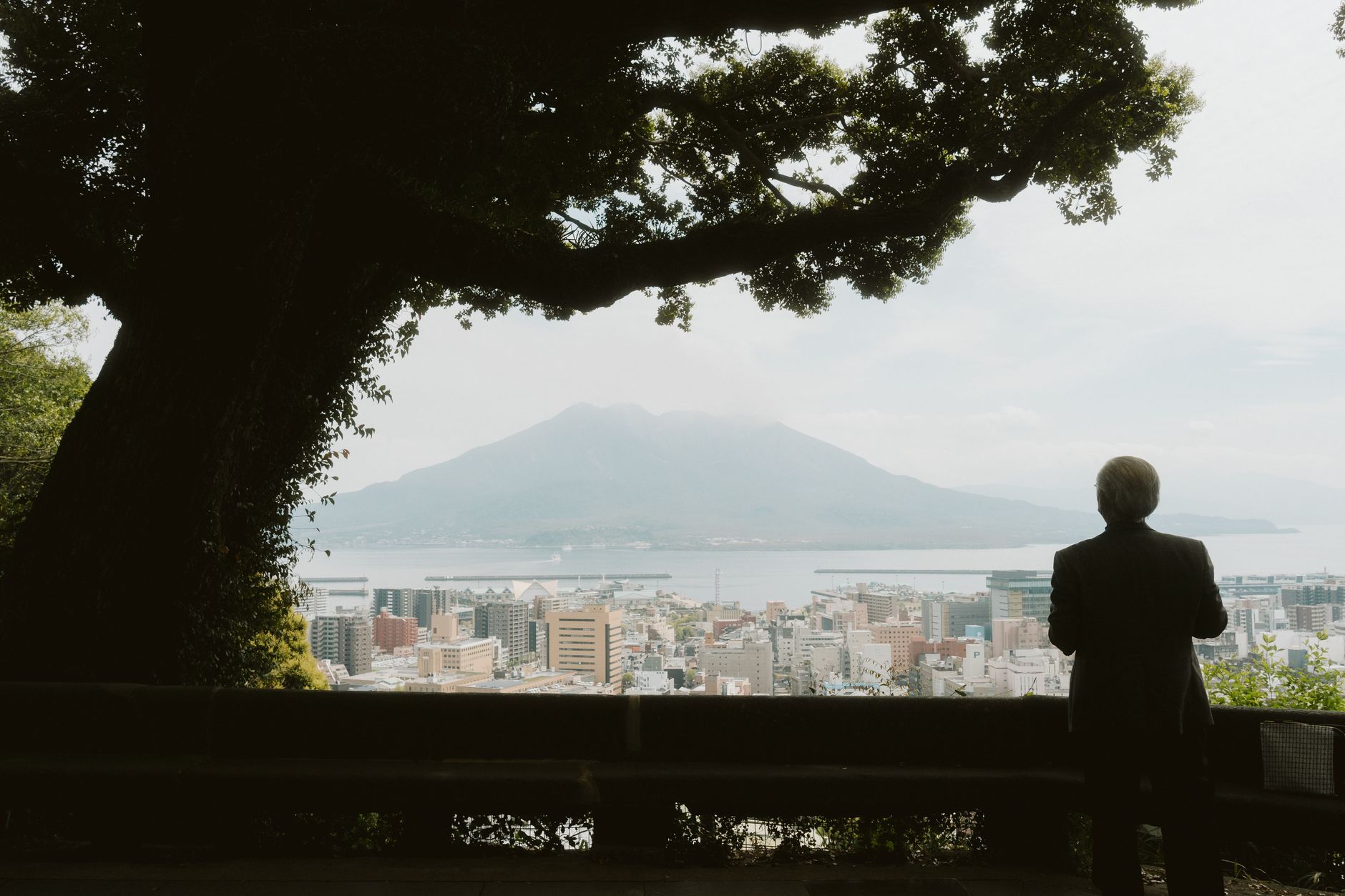
Photo by Van Anh Nguyen on Pexels
Read the original
The Times of India · Earthquake in Japan
Communication Services Stocks: Mixed Opinions on Top Picks · Chinese scientists create substance: The Real Breakthrough in Cooling · Stephen Miller Chief of Staff: A Clear Shift in Leadership