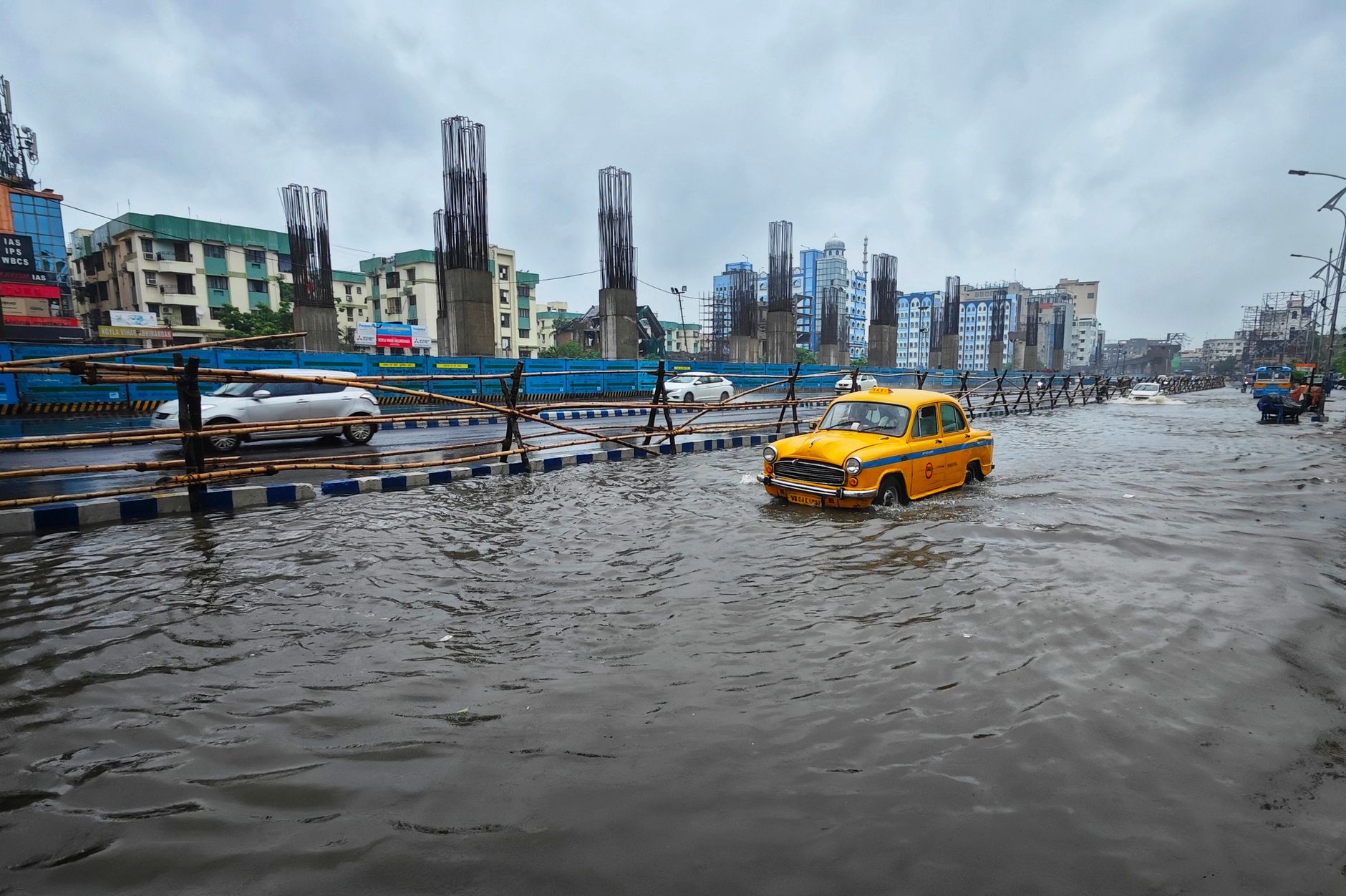
economic disaster in India has been a pressing concern, as highlighted by Rahul Gandhi during his recent address at Columbia University. He emphasized the urgent need for effective economic policies to avert potential crises.
Understanding the Economic Crisis in India
The economic disaster in India has become a pressing concern as various sectors face unprecedented challenges. Analysts and politicians alike are highlighting the ramifications of this crisis on the country’s overall growth trajectory.
Key factors contributing to the current situation include:
- High unemployment rates: A surge in joblessness has left millions struggling to make ends meet, leading to reduced consumer spending.
- Inflation: Rising prices of essential goods and services are straining household budgets, exacerbating the financial burden on the average citizen.
- Declining investments: A lack of investor confidence has led to stagnation in key industries, further hampering economic progress.
- Poverty levels: With many falling below the poverty line, the social impact is profound, affecting education and health outcomes.
As Rahul Gandhi recently pointed out at Columbia University, the current economic disaster in India poses a significant threat to the nation’s future, demanding urgent attention and intervention from both policymakers and the private sector. Without decisive action, the long-term effects could hinder the growth of the world’s largest democracy.
Key Factors Contributing to Economic Challenges
The economic disaster in India has been attributed to a variety of key factors that have compounded the challenges faced by the nation. Understanding these elements is crucial for comprehending the depth of the crisis.
- High Unemployment Rates: A significant rise in joblessness has led to decreased consumer spending, adversely affecting economic growth.
- Inflation: The soaring prices of essential goods have diminished purchasing power, making it difficult for families to meet basic needs.
- Poor Agricultural Performance: Many farmers are struggling due to erratic weather patterns and insufficient government support, leading to a decline in agricultural productivity.
- Global Economic Conditions: A slowdown in international markets has impacted exports, further straining the economy.
- Policy Instability: Uncertainty surrounding economic policies and reforms has discouraged investment and innovation, hindering growth prospects.
Each of these factors contributes to the broader narrative of an economic disaster in India, underscoring the urgent need for strategic interventions to stabilize and revitalize the economy.
Rahul Gandhi’s Perspective on India’s Economy
During a recent address at Columbia University, Indian politician Rahul Gandhi expressed grave concerns regarding the current state of the economy in India, referring to it as an “economic disaster.” He emphasized that the situation poses severe risks to the nation’s future growth and stability.
Gandhi highlighted several critical issues contributing to this economic disaster in India, including:
- Unemployment: The rising joblessness among youth is a significant factor that threatens the economic fabric of the country.
- Income Inequality: The widening gap between the wealthy and the poor exacerbates social tensions and hampers economic progress.
- Inflation: Increasing prices of essential goods and services further strain household budgets, diminishing purchasing power.
- Lack of Investment: A decline in both domestic and foreign investments stifles innovation and growth opportunities.
In his remarks, Gandhi advocated for a more inclusive economic model that prioritizes the welfare of all citizens rather than a select few. He urged policymakers to adopt strategies that would address these pressing issues and work towards stabilizing the economy for a sustainable future.
Potential Solutions for Economic Recovery
As India grapples with an economic disaster, experts and policymakers are exploring potential solutions to foster recovery and growth. Key strategies include:
- Stimulating Investment: Encouraging both domestic and foreign investments can help revitalize industries and create jobs.
- Enhancing Infrastructure: Upgrading infrastructure, such as transportation and energy systems, can boost productivity and attract business.
- Supporting Small Businesses: Providing financial assistance and resources to small and medium enterprises can empower local economies and spur innovation.
- Reforming Tax Policies: Simplifying tax structures could improve compliance and increase revenue, allowing for greater public investment in essential services.
- Investing in Education: Focusing on education and skill development will prepare the workforce for emerging industries, ensuring sustainable economic growth.
Moreover, fostering a stable political environment and promoting social cohesion are crucial for long-term recovery. The combination of these strategies may help mitigate the effects of the current economic disaster in India, setting the stage for a more resilient economy. Collaboration between government, businesses, and civil society will be essential to navigate this challenging landscape effectively.
Impact of Political Decisions on Financial Stability
The economic disaster in India has been exacerbated by a series of political decisions that have significantly impacted financial stability. Many experts believe that the lack of cohesive policy-making has led to a climate of uncertainty among investors and consumers alike.
Among the critical issues stemming from political actions are:
- Inconsistent Economic Policies: Frequent changes in regulations and taxation have created confusion and hindered long-term planning for businesses.
- Corruption and Mismanagement: Allegations of corruption within various government sectors have eroded public trust, leading to reduced domestic and foreign investments.
- Lack of Infrastructure Development: Political priorities have often overshadowed the urgent need for infrastructure improvements, stalling growth in key sectors.
- Inflation Control Measures: Decisions regarding interest rates and inflation control have at times been reactive rather than proactive, affecting purchasing power.
This combination of factors has not only stunted economic growth but also raised alarm bells about the future stability of the financial system. As Rahul Gandhi pointed out, the implications of these political decisions could have lasting consequences if not addressed promptly.
Comparative Analysis with Other Economies
The economic disaster in India has raised concerns among economists about the country’s position compared to other major economies. A comparative analysis reveals striking differences in recovery trajectories and economic stability.
Countries like China and Brazil have implemented robust measures to counter economic downturns, showcasing a resilience that India currently lacks. In contrast, India’s GDP growth rate has significantly slowed, causing apprehension among investors.
- China: Following a brief slowdown, China’s emphasis on technology and infrastructure has led to a quick rebound, with growth rates surpassing pre-crisis levels.
- Brazil: Through aggressive reforms, Brazil has managed to stabilize its economy, focusing on sustainable growth and enhancing investor confidence.
- India: The economic disaster in India has resulted in stagnation, with mounting unemployment and inflation posing significant threats to future growth.
Additionally, India’s reliance on traditional sectors has hindered its ability to adapt to global economic shifts. The need for diversification and innovation is more pressing than ever to avoid further escalation of the crisis.
In conclusion, as India grapples with its economic disaster, learning from the strategies of other nations could be crucial for a sustainable recovery.
Future Outlook for India’s Economic Health
As India grapples with an economic disaster, the future outlook for its economic health remains uncertain. Analysts are divided on the potential trajectory, with various factors influencing recovery prospects. The ongoing challenges demand a multifaceted approach to restore confidence and stability.
Experts emphasize the need for immediate reforms in several areas:
- Investment in Infrastructure: Enhancing infrastructure can stimulate growth and attract foreign investment.
- Job Creation: Prioritizing employment opportunities is essential for boosting consumer spending and economic engagement.
- Support for Small Businesses: Providing financial aid and resources to small enterprises can help them survive and thrive amidst the crisis.
- Education and Skill Development: Investing in education can equip the workforce with necessary skills to adapt to changing market demands.
Furthermore, international trade relations and partnerships will play a crucial role in determining India’s economic resilience. As the nation confronts the ramifications of the current crisis, it is imperative for policymakers to act decisively. The country must leverage its strengths while addressing weaknesses to avoid the long-term consequences of this economic disaster in India.
The economic disaster in India has led to unprecedented job losses and a sharp decline in consumer spending. As businesses struggle to survive, the long-term effects of this economic disaster in India could hinder growth for years to come.
Photo by Dibakar Roy on Pexels
Sources
Related stories
Nvidia CEO decision: Is it the right move for the company? · Unity Synty Acquisition: A Smart Move for AI Growth · AI Cheating in Exams: The Wrong Way to Succeed