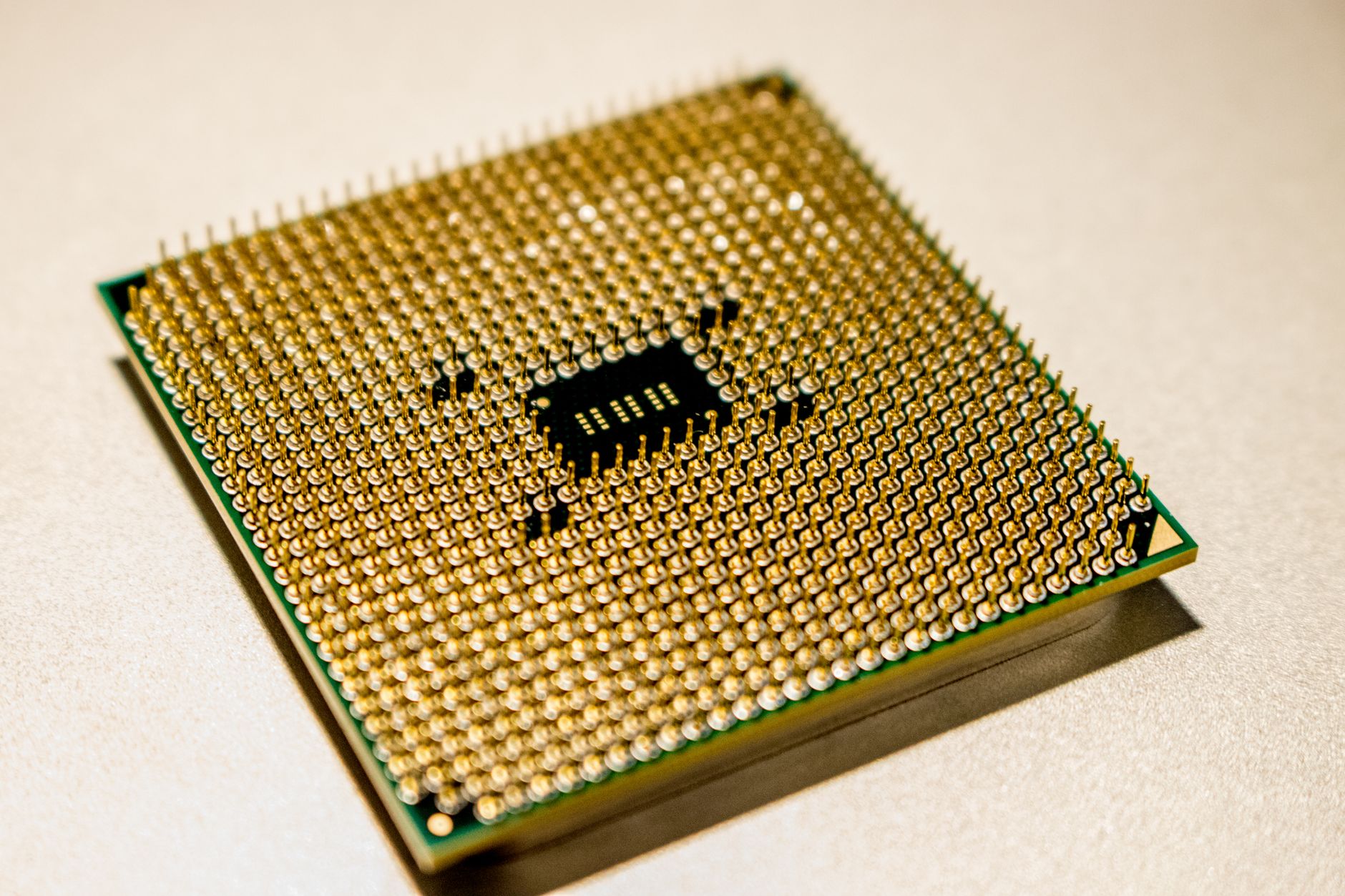
efficient lightweight semiconductors are changing the landscape of technology. A recent breakthrough involving a flash of light has opened new routes for creating these advanced materials, promising enhanced performance and reduced costs.
Understanding Efficient Lightweight Semiconductors
Efficient lightweight semiconductors are becoming a pivotal component in the advancement of modern technology. These materials are designed to optimize performance while minimizing weight, making them ideal for various applications ranging from consumer electronics to renewable energy systems.
Recent research highlights the potential of innovative manufacturing techniques that leverage unique materials to enhance semiconductor efficiency. The integration of these advanced materials allows for:
- Reduced Energy Consumption: By improving energy transfer, efficient lightweight semiconductors can significantly lower power requirements in electronic devices.
- Enhanced Performance: The lightweight nature of these semiconductors enables faster processing speeds and improved thermal management, which are critical for high-performance applications.
- Increased Flexibility: Their lightweight properties allow for new designs in flexible electronics, paving the way for innovative products in wearable technology and foldable devices.
As the demand for more sustainable and efficient solutions grows, the development and implementation of efficient lightweight semiconductors will likely play a crucial role in shaping the future of technology. Researchers are optimistic that continued advancements in this field will not only drive innovation but also contribute to a more energy-efficient and environmentally-friendly approach to electronic design.
The Role of Light in Semiconductor Development
Recent advancements in semiconductor technology have highlighted the crucial role that light plays in the development of efficient lightweight semiconductors. Researchers have discovered that by manipulating light, they can enhance the properties of semiconductor materials, leading to innovations that could transform various industries.
Light, specifically in the form of lasers, has been found to enable the precise modification of semiconductor structures at the atomic level. This process allows for:
- Enhanced conductivity: When light interacts with semiconductor materials, it can significantly improve their electrical conductivity, which is essential for efficient performance.
- Reduced weight: By developing thinner and more efficient structures, manufacturers can create lightweight semiconductors that do not compromise on performance.
- Increased versatility: The ability to tailor semiconductors with light opens the door for new applications in electronics, renewable energy, and telecommunications.
Moreover, the use of light in semiconductor fabrication processes promises a more sustainable approach, reducing the energy consumption typically associated with traditional manufacturing methods. As the demand for efficient lightweight semiconductors grows, this innovative light-based technique could become a cornerstone of future technological advancements, paving the way for a new era of energy-efficient devices.
Benefits of Lightweight Semiconductors
The emergence of efficient lightweight semiconductors is revolutionizing various industries by enhancing performance while reducing material costs. These semiconductors are not only lighter but also exhibit improved energy efficiency, making them ideal for a range of applications, from consumer electronics to renewable energy systems.
Some of the key benefits of lightweight semiconductors include:
- Enhanced Energy Efficiency: Efficient lightweight semiconductors consume less power, which contributes to lower operational costs and reduced environmental impact.
- Improved Performance: Their lightweight nature allows for faster signal processing and better thermal management, leading to superior overall performance in electronic devices.
- Cost-Effectiveness: By utilizing less material without sacrificing quality, manufacturers can reduce production costs while maintaining high standards of performance.
- Versatility: These semiconductors can be integrated into a wide array of products, from smartphones to electric vehicles, making them an adaptable choice for various markets.
- Support for Innovative Technologies: The development of efficient lightweight semiconductors paves the way for advancements in fields such as artificial intelligence, IoT, and renewable energy.
In summary, the benefits of lightweight semiconductors extend beyond mere weight reduction, offering significant advancements in efficiency and performance that drive innovation across multiple sectors.
Challenges in Semiconductor Manufacturing
The path to developing efficient lightweight semiconductors is not without its challenges. As researchers strive to innovate, they encounter several obstacles that can hinder progress.
- Material Limitations: The search for suitable materials that maintain efficiency while being lightweight is ongoing. Many traditional materials do not meet the criteria required for modern applications.
- Manufacturing Processes: The production techniques for creating these semiconductors must evolve. Current methods may not be compatible with the new designs that demand precision and scalability.
- Cost Constraints: Developing efficient lightweight semiconductors can be expensive. Researchers must find cost-effective solutions to produce these advanced materials without compromising quality.
- Performance Variability: There is often a trade-off between weight and performance. Ensuring that lightweight options do not lead to reduced functionality is crucial for widespread adoption.
- Regulatory Hurdles: As with any new technology, navigating regulatory frameworks can be daunting. Compliance with safety and environmental standards adds another layer of complexity.
Despite these challenges, the quest for efficient lightweight semiconductors continues to inspire innovation. Researchers are pushing the boundaries of what is possible, paving the way for future breakthroughs in technology.
Future Trends in Semiconductor Technology
The future of semiconductor technology is poised for transformation, particularly with the advancement of efficient lightweight semiconductors. As researchers continue to explore novel materials and fabrication techniques, several trends are emerging that may redefine the industry landscape.
- Integration of Photonic Technologies: The incorporation of light-based technologies in semiconductor design is gaining traction. This integration promises to enhance processing speeds while reducing energy consumption, making efficient lightweight semiconductors even more appealing.
- Advancements in Materials: Materials such as graphene and transition metal dichalcogenides are being investigated for their exceptional electrical properties. These materials can lead to the development of semiconductors that are not only lightweight but also highly efficient.
- Sustainability Initiatives: With increasing focus on environmental impact, semiconductor manufacturers are prioritizing sustainable practices. This includes the development of efficient lightweight semiconductors that minimize waste and energy usage throughout their lifecycle.
- Miniaturization: As devices continue to shrink in size, the demand for smaller, more efficient components is growing. Efficient lightweight semiconductors are well-positioned to meet these needs, driving innovation across various applications.
These trends indicate a promising future for semiconductor technology, where efficient lightweight semiconductors will play a pivotal role in shaping the digital landscape.
Photo by Jeremy Waterhouse on Pexels