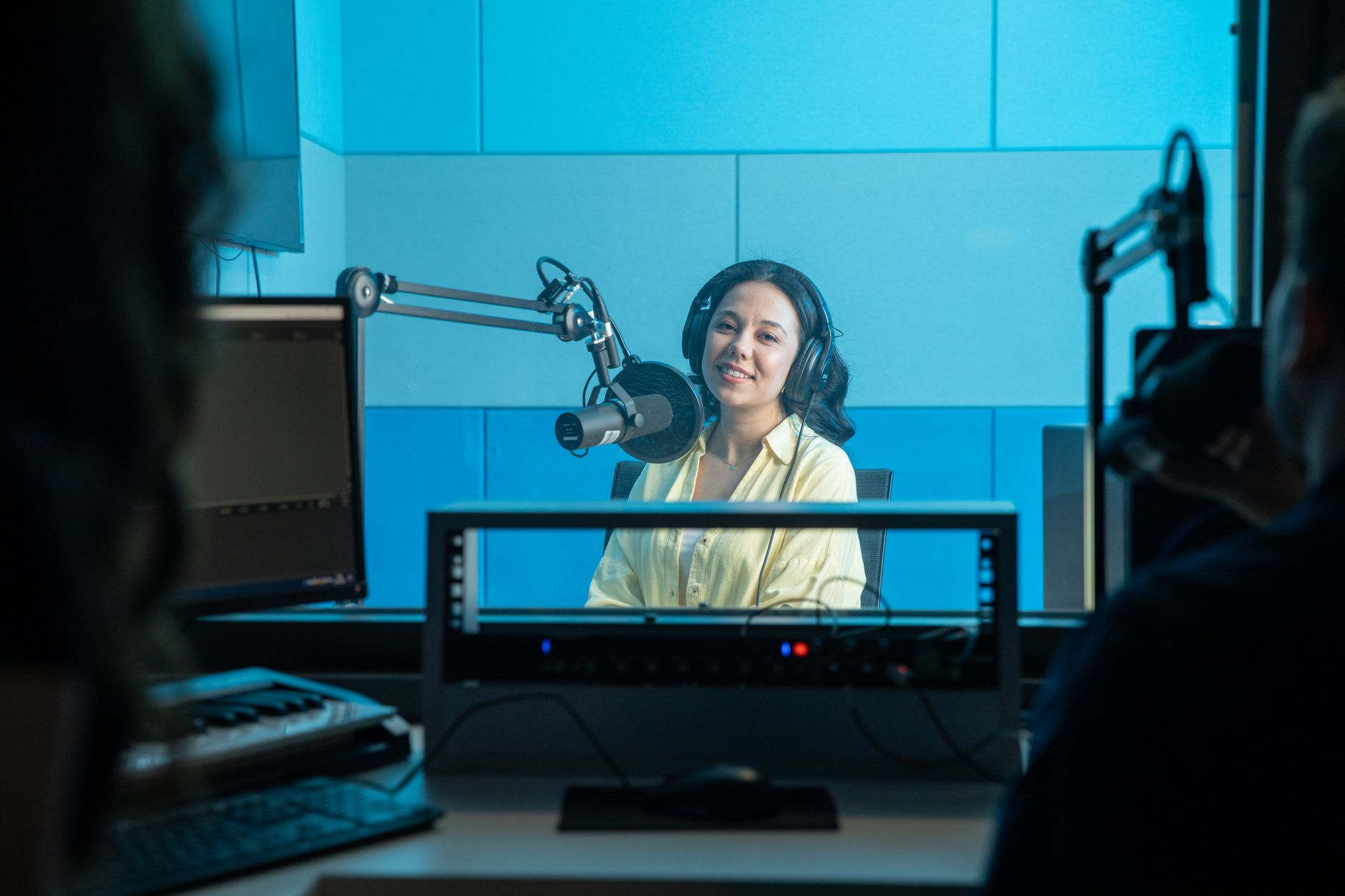
Global broadcast students are taking charge of the media landscape in 2026. This initiative empowers students to bring fresh perspectives to global broadcasting, showcasing their creativity and leadership skills.
Introduction to On Air 2026
On Air 2026 is an innovative initiative designed to empower global broadcast students by placing them at the forefront of media production. This program aims to provide a unique platform where students can develop their skills while taking on leadership roles in broadcasting. By participating in On Air 2026, students gain hands-on experience in various aspects of media, from content creation to technical execution.
The initiative emphasizes collaboration, encouraging students from diverse backgrounds to work together on projects that resonate on a global scale. Key features of On Air 2026 include:
- Interactive Workshops: Students engage in workshops led by industry professionals, enhancing their learning experience.
- Real-World Projects: Participants have the opportunity to work on actual broadcasts, honing their skills in a practical setting.
- Networking Opportunities: By connecting with peers and experts, students can build valuable relationships that may benefit their future careers.
Ultimately, On Air 2026 strives to inspire global broadcast students to become the next generation of media leaders.
The Role of Students in Broadcasting
The landscape of media is continually evolving, and global broadcast students are at the forefront of this transformation. As technology advances, these students are not just passive learners but active participants in the broadcasting industry. They play a crucial role in shaping content and engaging audiences worldwide.
Through programs like On Air 2026, students have the opportunity to take charge of global broadcasting initiatives. This hands-on experience enables them to develop essential skills in production, storytelling, and audience engagement. By collaborating with peers and industry professionals, they learn the intricacies of broadcasting while bringing fresh perspectives to traditional media.
Moreover, the involvement of global broadcast students fosters innovation. Their unique viewpoints and comfort with digital platforms often lead to new ways of connecting with viewers. As they navigate the challenges of the industry, these students are poised to become the next generation of leaders in media, driving change and inspiring future content creators.
Innovative Ideas from Young Broadcasters
As the landscape of media continues to evolve, global broadcast students are stepping up with innovative ideas that challenge traditional broadcasting norms. Their fresh perspectives are vital in shaping the future of media.
One of the most impactful initiatives comes from students who have embraced digital platforms to create interactive content. By utilizing social media tools, they engage audiences in real-time and foster community discussions around pressing global issues.
Another exciting approach includes collaborative storytelling, where students from diverse backgrounds share their unique experiences, bringing a wealth of perspectives to the forefront. This method not only enhances the narrative quality but also educates viewers about various cultures and challenges.
Moreover, some students are experimenting with immersive technologies, such as virtual reality, to create compelling experiences that captivate audiences. These innovative strategies exemplify how global broadcast students are not just participants but leaders in their field, redefining how stories are told and consumed.
Impact of Student Leadership on Media
The influence of student leadership on the media landscape is increasingly significant, particularly as global broadcast students take the reins in innovative projects. These young leaders are not just passive participants; they actively shape narratives and redefine content delivery in ways that resonate with diverse audiences.
Through initiatives like On Air 2026, students are empowered to explore their creativity and develop skills that are essential in today’s dynamic media environment. This hands-on experience allows them to drive change and challenge traditional media practices. As a result, they are able to:
- Enhance audience engagement by using social media platforms effectively.
- Introduce fresh perspectives that reflect the values and interests of younger demographics.
- Foster collaboration across various media channels, creating a more interconnected broadcasting community.
As these global broadcast students showcase their leadership abilities, they not only pave the way for their own careers but also influence the future direction of the media industry as a whole.
Challenges Faced by Student Broadcasters
Student broadcasters encounter various challenges that can hinder their progress and effectiveness in the media landscape. These obstacles often stem from limited resources, high competition, and the rapid evolution of technology.
One significant challenge is the access to equipment. Many global broadcast students rely on outdated technology, which can restrict their ability to produce high-quality content. Additionally, funding for student-led projects is often scarce, making it difficult to implement innovative ideas.
Moreover, the pressure to perform in a highly competitive environment can be overwhelming. Students must constantly adapt to new trends and platforms, which requires a commitment to continuous learning. This can lead to stress and burnout, affecting both their mental health and overall performance.
Lastly, networking opportunities are limited for students, making it challenging to connect with industry professionals who can offer guidance and support. Addressing these challenges is crucial for nurturing the next generation of leaders in media.
How to Get Involved in Global Broadcasts
Getting involved in global broadcasts can be an exciting opportunity for students aspiring to make a mark in the media industry. Here are some proven ways for global broadcast students to take the initiative:
- Join Media Clubs: Participate in university media clubs or organizations that focus on broadcasting. These groups often provide hands-on experience and networking opportunities.
- Attend Workshops: Look for workshops and seminars related to broadcasting. These events can enhance skills and allow students to learn from industry professionals.
- Volunteer for Projects: Seek volunteer positions in local or international media projects. This real-world experience is invaluable and can lead to future job opportunities.
- Utilize Social Media: Leverage platforms like YouTube or TikTok to create and share original content. This can showcase your skills and attract a global audience.
- Collaborate with Peers: Work with fellow students on joint projects. Collaboration fosters creativity and can lead to innovative broadcasting ideas.
By actively engaging in these activities, global broadcast students can enhance their skills and visibility in the media landscape.
Future Trends in Broadcasting
As the media landscape continues to evolve, global broadcast students are at the forefront of emerging trends that will shape the future of broadcasting. One significant trend is the increasing incorporation of artificial intelligence and machine learning in content creation and distribution. These technologies enable students to craft personalized viewing experiences, catering to diverse audience preferences.
Moreover, the rise of social media platforms as primary news sources is transforming traditional broadcasting approaches. Global broadcast students are leveraging these platforms to engage audiences directly, creating interactive content that fosters community involvement.
Another notable trend is the emphasis on sustainability in media practices. Future broadcasters are advocating for eco-friendly production methods and content that raises awareness about environmental issues, aligning with the growing global focus on sustainability.
Furthermore, the integration of virtual and augmented reality is set to enhance storytelling, allowing students to create immersive experiences that captivate viewers. As these trends unfold, global broadcast students will play a pivotal role in redefining the media landscape.
Conclusion and Next Steps
As we conclude our exploration of the role of global broadcast students, it is clear that their impact on the media landscape is profound and multifaceted. These young leaders are not only shaping the future of broadcasting but also redefining how stories are told and shared across diverse platforms.
To ensure their continued success, it is essential to focus on the following next steps:
- Encouraging Collaboration: Fostering partnerships between students and established media professionals can lead to innovative projects.
- Enhancing Skill Development: Providing workshops and training sessions will equip students with the necessary tools to excel in the industry.
- Building a Supportive Network: Creating mentorship programs can help guide aspiring broadcasters through their career journeys.
- Promoting Inclusivity: Ensuring diverse voices are represented in global broadcasts will enrich the media narrative.
By taking these steps, we can empower global broadcast students to continue their vital work in the media sphere, paving the way for a more inclusive and dynamic future.
Photo by Yusuf Çelik on Pexels