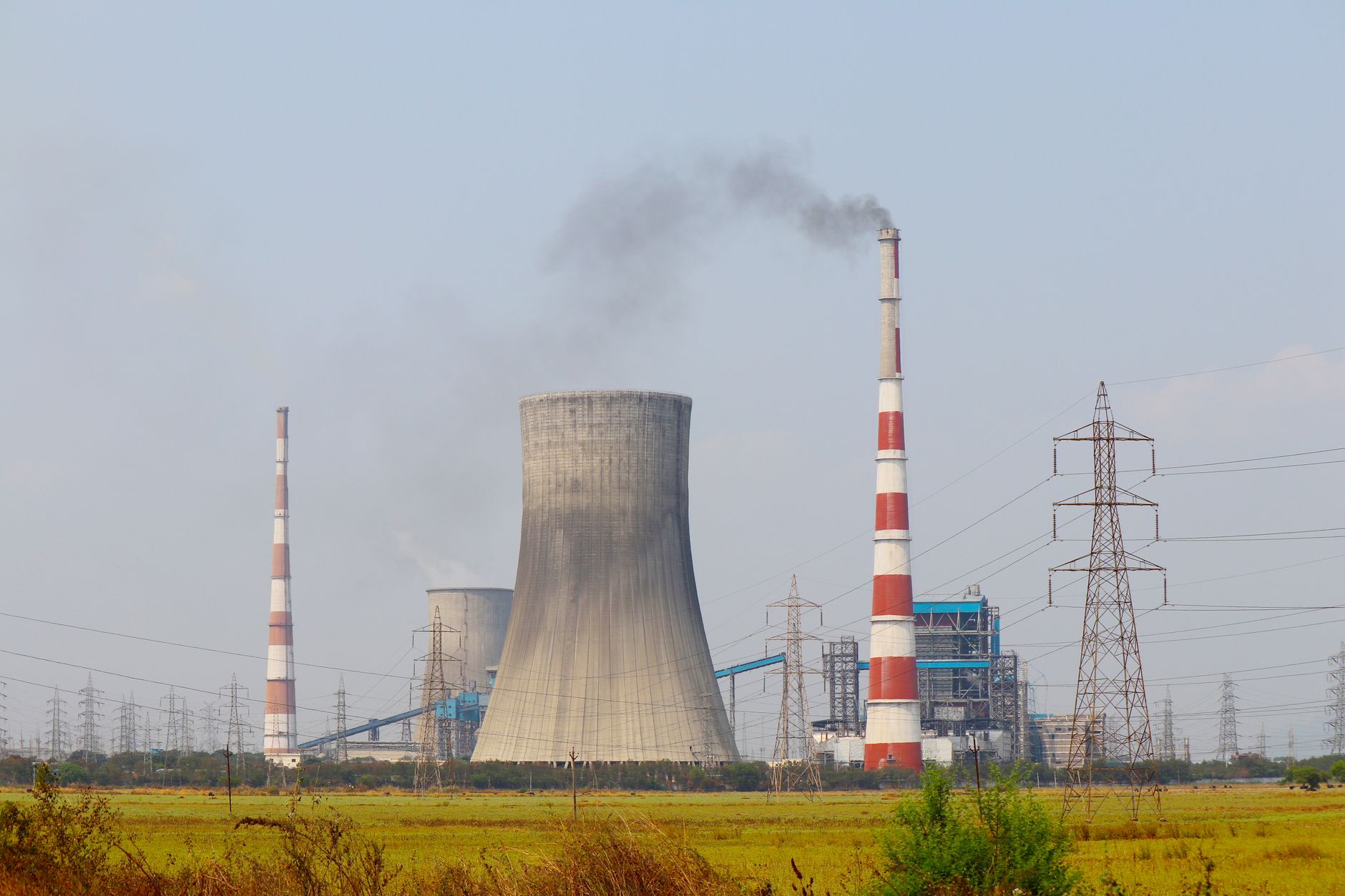
India’s polluted cities are a significant issue affecting millions. Recent reports highlight the current rankings of the most and least polluted cities in the country.
Overview of Pollution in India
India’s polluted cities have become a significant concern for public health and environmental sustainability. Rapid urbanization, industrial emissions, and vehicular pollution contribute to the deteriorating air quality in many urban areas. According to recent data, several cities consistently rank among the most polluted in the world, raising alarms about the potential health impacts on their residents.
Factors leading to this alarming situation include:
- Industrial emissions: Factories release a considerable amount of pollutants into the atmosphere, impacting air quality.
- Vehicular pollution: With the increase in the number of vehicles, emissions from diesel and petrol engines contribute significantly to air contamination.
- Construction activities: Dust and particulate matter from ongoing construction projects worsen air quality in densely populated areas.
- Seasonal factors: Weather conditions can exacerbate pollution levels, with winter months often seeing a spike in smog.
Addressing these issues is crucial for improving the health and well-being of millions living in India’s polluted cities.
Top 5 Most Polluted Cities in India
As concerns about air quality rise, India’s polluted cities continue to make headlines. Here are the top 5 most polluted cities in India today:
- Delhi: Often topping the charts, Delhi struggles with severe pollution from vehicles and construction activities.
- Ghaziabad: This city frequently records alarming levels of particulate matter, largely due to industrial emissions.
- Noida: Close to Delhi, Noida faces similar challenges with air quality impacted by urbanization.
- Faridabad: Rapid development and industrial growth have contributed to its high pollution levels.
- Lucknow: The capital of Uttar Pradesh, Lucknow has seen a rise in pollution levels, affecting the health of its residents.
These cities are at the forefront of the air quality crisis in India, highlighting the urgent need for effective measures to combat pollution and protect public health.
Least Polluted Cities Today
As concerns over air quality rise, some cities in India stand out as being relatively less polluted. These cities offer a glimpse of cleaner air amidst the widespread issue of pollution affecting India’s polluted cities. According to recent assessments, the following cities have been identified as the least polluted today:
- Gandhinagar – With its green spaces and effective urban planning, Gandhinagar ranks as one of the cleanest cities.
- Hampi – Known for its historical significance, Hampi benefits from low industrial activity, resulting in better air quality.
- Shimla – The picturesque hill station offers fresh air, largely due to its elevation and limited vehicular pollution.
- Vadodara – This city has implemented various initiatives to reduce pollution levels effectively.
- Coimbatore – Known for its lush greenery, Coimbatore continues to maintain a healthier environment.
These cities serve as examples of what can be achieved through sustainable practices and effective governance.
Factors Contributing to Pollution
India’s polluted cities face a myriad of challenges that contribute to their deteriorating air quality. The factors leading to this pollution crisis are multifaceted and require urgent attention. Among the primary contributors are:
- Vehicular Emissions: The ever-increasing number of vehicles on the road significantly elevates levels of harmful pollutants.
- Industrial Discharge: Factories often release toxic gases and particulate matter, further degrading air quality.
- Construction Activities: Dust and debris from construction sites contribute to particulate pollution, particularly in urban areas.
- Burning of Biomass: Agricultural practices, including burning crop residue, release substantial smoke and pollutants into the atmosphere.
- Waste Management Issues: Inefficient waste disposal methods lead to burning waste, which emits harmful chemicals.
As a result, India’s polluted cities struggle to meet health and environmental standards, necessitating immediate and effective policy interventions.
Health Effects of Air Pollution
The adverse health effects of air pollution in India’s polluted cities are becoming increasingly alarming. Exposure to high levels of air pollution has been linked to a variety of serious health issues among residents.
- Respiratory Problems: Individuals living in polluted cities often experience chronic respiratory diseases, such as asthma and bronchitis, due to inhaling harmful pollutants.
- Cardiovascular Issues: Studies indicate that long-term exposure to polluted air can lead to heart diseases and increase the risk of heart attacks.
- Mental Health Effects: Recent research suggests a correlation between air pollution and mental health disorders, including anxiety and depression.
- Child Development: Children in highly polluted areas may face developmental delays and reduced lung function, which can affect their overall health throughout their lives.
- Mortality Rates: Increased air pollution levels are linked to higher mortality rates, making it a significant public health concern.
As India continues to grapple with its polluted cities, addressing these health effects is crucial for the well-being of its population.
Government Initiatives to Combat Pollution
The Indian government has recognized the urgent need to address the alarming levels of air quality in India’s polluted cities. In recent years, several initiatives have been launched aimed at combating this pressing issue.
- National Clean Air Programme (NCAP): Launched in 2019, this program aims to reduce air pollution by 20-30% by 2024, focusing on monitoring air quality and implementing pollution control measures.
- Graded Response Action Plan (GRAP): This plan categorizes pollution levels and prescribes specific actions, such as restricting vehicle use and stopping construction activities in times of severe pollution.
- Afforestation Projects: Initiatives to increase green cover in urban areas are being promoted to enhance air quality and reduce pollutants.
- Awareness Campaigns: The government is also focusing on educating citizens about the health impacts of air pollution and encouraging sustainable practices.
These initiatives reflect a growing commitment to improving air quality and making a significant impact on India’s polluted cities.
How to Stay Safe in Polluted Areas
As India’s polluted cities continue to grapple with severe air quality issues, it’s crucial for residents and visitors to take precautions to ensure their health and well-being. Here are some essential tips to stay safe in polluted areas:
- Monitor Air Quality: Regularly check air quality indexes (AQI) through reliable apps or websites to stay informed about pollution levels in your area.
- Limit Outdoor Activities: On days when pollution levels are high, try to minimize outdoor exercise and limit time spent outside, especially during peak traffic hours.
- Wear Masks: Use N95 masks or similar protective gear when going out in polluted cities to filter out harmful particles.
- Keep Indoor Air Clean: Use air purifiers and keep windows closed on days with poor air quality to maintain a healthier indoor environment.
- Stay Hydrated: Drink plenty of water to help your body cope with the effects of air pollution.
By taking these precautions, individuals can better protect themselves while navigating India’s polluted cities.
Photo by Sharath G. on Pexels
References
Related reading
Anthropic IPO: The Smart Move for AI Investors Today · Sarasota Memorial Hospitals: What Makes Them the Best Choice? · Neena Gupta TIME100 Next: The Best Spotlight on India’s Talent