The largest freshwater lake is experiencing a remarkable recovery after decades of decline, signaling positive environmental changes and renewed hope for local ecosystems.
Overview of the lake’s recovery
The world’s largest freshwater lake, Lake Baikal in Siberia, is demonstrating a remarkable recovery following years of environmental degradation. Once threatened by pollution and climate change, the lake’s ecosystem is showing signs of resilience and rejuvenation.
Over the past few years, various conservation efforts aimed at restoring the lake’s health have yielded positive results. Scientists have observed a resurgence in biodiversity, with several native species returning to their natural habitats. This revival can be attributed to:
- Improved water quality: Efforts to reduce industrial waste and manage sewage discharge have led to cleaner waters.
- Increased conservation efforts: Local governments and NGOs have implemented protective measures and regulations to safeguard the ecosystem.
- Community engagement: Increased awareness and involvement from local communities have fostered a culture of sustainability.
As Lake Baikal continues its journey towards recovery, it serves as a powerful reminder of the importance of environmental stewardship. The ongoing commitment to protect the world’s largest freshwater lake is crucial for preserving its unique biodiversity for future generations.
Impact on local wildlife
The recovery of the world’s largest freshwater lake has had a significant impact on local wildlife, fostering a resurgence of various species that had previously suffered due to environmental degradation. As water quality improves, a variety of fish populations have begun to thrive, providing a crucial food source for both local communities and larger predators.
Numerous bird species, including migratory patterns, are also benefiting from the restored habitats around the lake. Observations indicate an increase in nesting sites, which is vital for the survival of several threatened avian species. The improved ecosystem has led to a more balanced food web, enhancing biodiversity and enabling wildlife to flourish.
However, challenges remain. Local conservationists emphasize the importance of sustainable practices to ensure that the lake’s recovery is not compromised by overfishing or pollution. Continuous monitoring and community engagement are essential in maintaining the health of the largest freshwater lake and its surrounding ecosystems.
- Increased fish populations
- Revived bird nesting sites
- Enhanced biodiversity
Community response to changes
The community surrounding the largest freshwater lake has shown a remarkable response to the positive changes observed in recent years. Residents and local organizations have actively engaged in initiatives aimed at preserving and enhancing the lake’s ecosystem.
Many community members have taken it upon themselves to educate others about the importance of this vital resource. Local schools have incorporated environmental education programs that emphasize the significance of the lake and its recovery.
Additionally, several volunteer groups have emerged, focusing on activities such as:
- Clean-up drives to remove debris and pollution from the shoreline
- Tree planting along the lake’s banks to prevent erosion
- Monitoring wildlife populations to ensure a balanced ecosystem
Local businesses have also joined the effort, contributing funds and resources to support conservation projects. As a result, community members report a growing sense of pride and ownership regarding the largest freshwater lake, fostering a collective commitment to its future health and sustainability.
Future conservation efforts
As the world’s largest freshwater lake continues to show signs of recovery, future conservation efforts will play a critical role in sustaining this positive trend. Local governments, environmental organizations, and community leaders are coming together to develop comprehensive strategies aimed at protecting the lake’s ecosystem.
Key initiatives under consideration include:
- Pollution management: Reducing industrial runoff and agricultural pollutants will be essential to maintaining water quality.
- Habitat restoration: Efforts to restore wetlands and shorelines can enhance biodiversity, providing critical habitats for various species.
- Community engagement: Educating local residents about sustainable practices will help foster a sense of stewardship and responsibility towards the lake.
- Research and monitoring: Ongoing scientific studies will be vital for tracking the lake’s health and informing future conservation actions.
By implementing these strategies, stakeholders aim to ensure that the recovery of the largest freshwater lake is not only a temporary success but a lasting improvement that benefits both the environment and local communities.
Lessons learned from the recovery
The recovery of the world’s largest freshwater lake offers valuable lessons for environmental conservation and management. One key takeaway is the importance of collaborative efforts among various stakeholders. Local communities, governments, and environmental organizations must work together to create effective policies that protect natural resources.
Another significant lesson is the need for adaptive management. Monitoring changes in the lake’s ecosystem has proven essential for making informed decisions. By studying the lake’s water quality and biodiversity, scientists can identify which restoration methods are most effective.
Additionally, public awareness and education play a crucial role in conservation. Engaging residents in the recovery process fosters a sense of ownership and responsibility towards the lake. Community-led initiatives, such as clean-up drives and sustainable fishing practices, have empowered individuals to take action.
Finally, the recovery of the largest freshwater lake illustrates the resilience of nature. With proper care and attention, ecosystems can rebound, reminding us of the importance of preserving our natural environments for future generations.
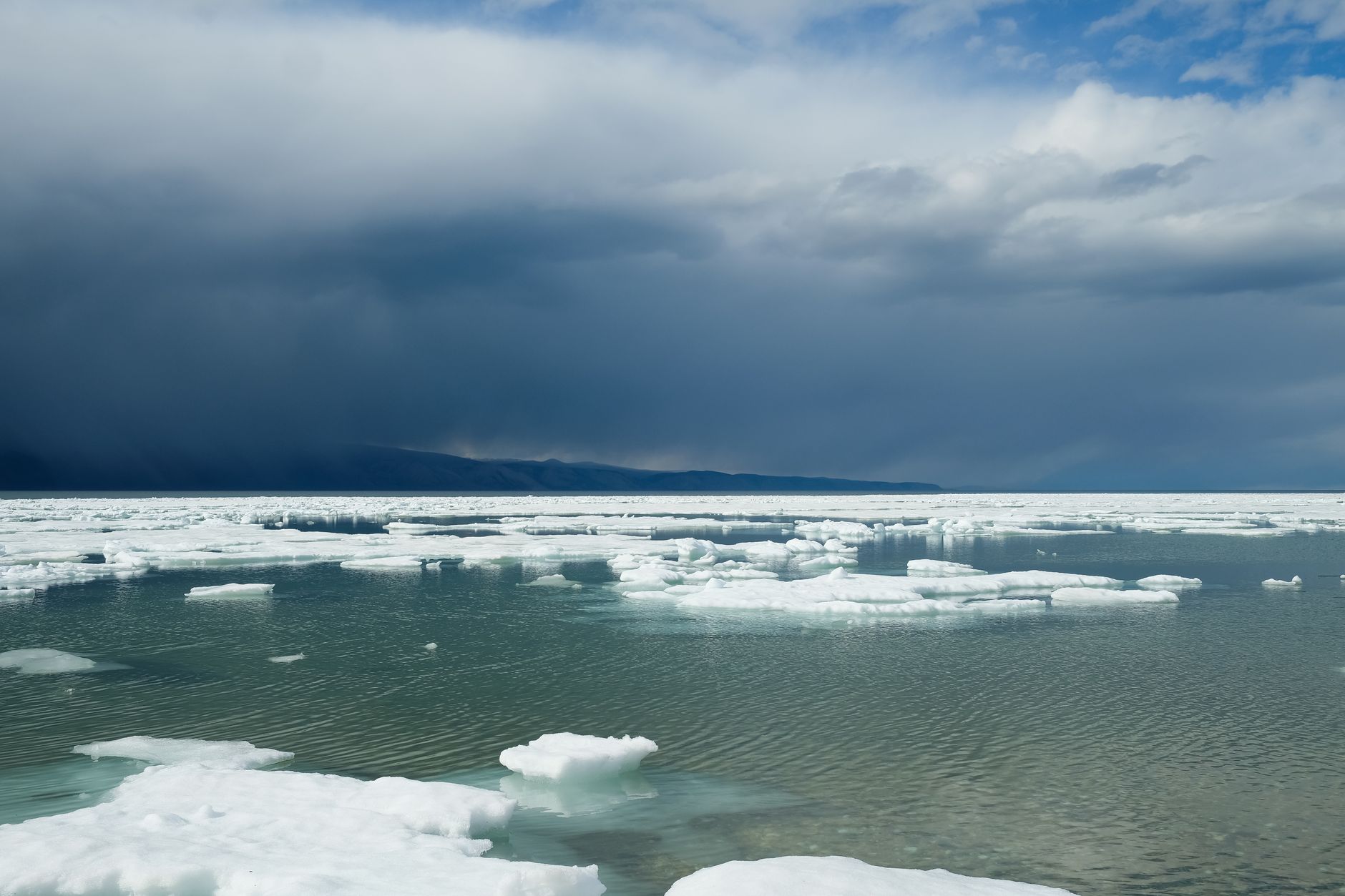
Photo by Nadezhda Moryak on Pexels