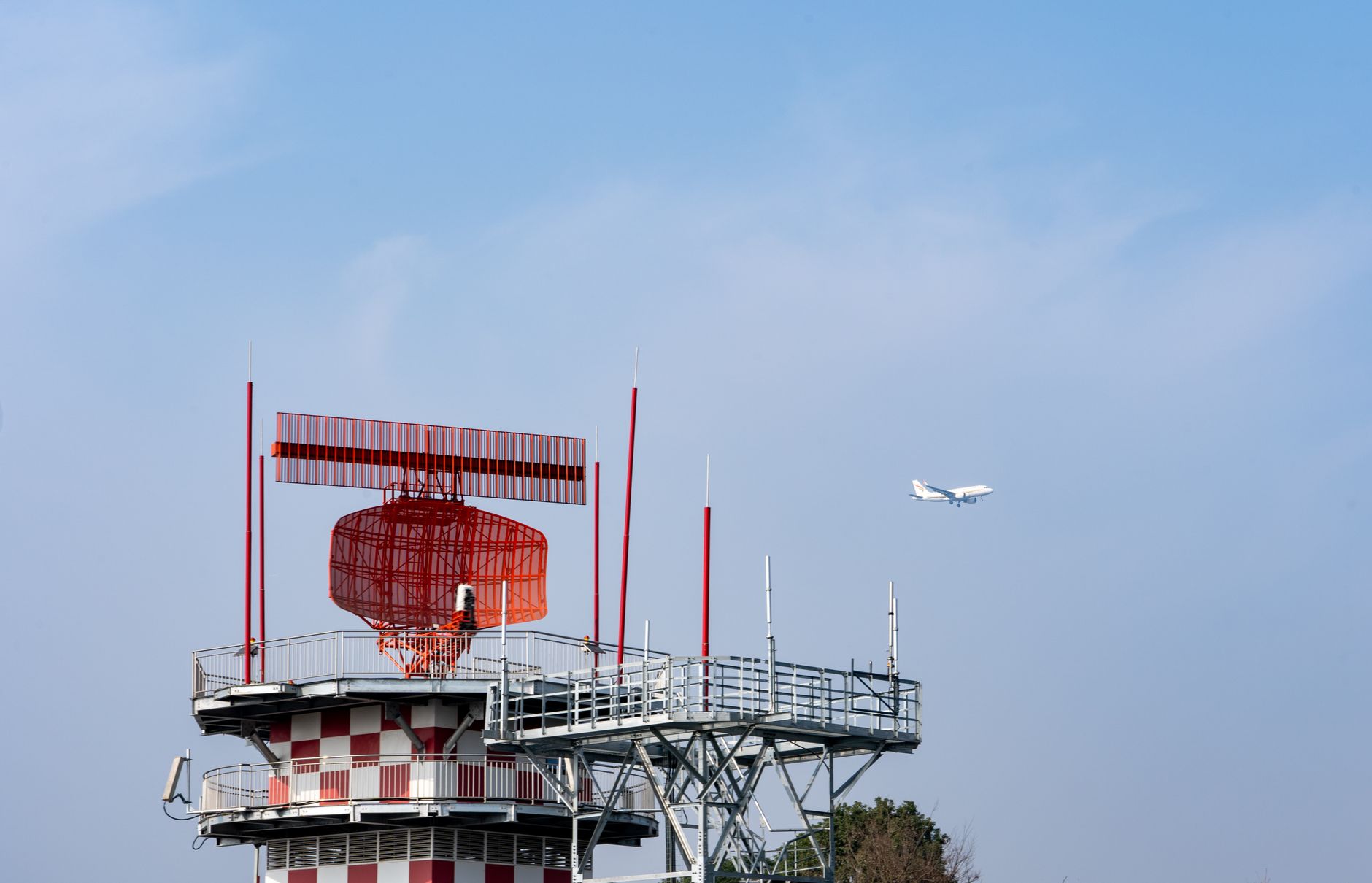
Palantir AI air traffic control is becoming a significant player in the aviation sector as the industry shifts towards AI solutions. Recent stock movements reflect this growing confidence.
The Rise of AI in Air Traffic Control
The integration of artificial intelligence into air traffic control systems is rapidly transforming the aviation industry. With a growing need for efficiency and safety in air travel, companies like Palantir are stepping up to provide cutting-edge solutions. The rise of AI in air traffic control promises to enhance decision-making processes, allowing for quicker responses to changing conditions and increasing overall operational efficiency.
Palantir AI air traffic control systems utilize advanced algorithms that analyze vast amounts of data in real-time. This capability helps air traffic controllers manage airspace more effectively, reducing delays and optimizing flight routes. As the demand for air travel continues to surge, the need for smarter, more adaptive air traffic solutions has never been greater.
Several key benefits of AI in air traffic control include:
- Improved Safety: AI can predict and mitigate potential conflicts between aircraft.
- Increased Efficiency: Streamlined operations lead to reduced flight delays and fuel consumption.
- Data-Driven Insights: Enhanced analytics support better decision-making.
Palantir’s Role in Aviation Innovation
Palantir Technologies is at the forefront of integrating advanced AI solutions into air traffic control, marking a significant shift in aviation innovation. By leveraging its cutting-edge data analytics capabilities, Palantir AI is poised to enhance the safety and efficiency of air traffic management systems.
One of the primary advantages of Palantir’s technology is its ability to process vast amounts of real-time data, enabling air traffic controllers to make informed decisions quickly. This capability is crucial as air traffic continues to increase, with more flights operating daily than ever before.
Moreover, Palantir’s collaboration with various aviation authorities illustrates its commitment to improving air traffic systems globally. Through strategic partnerships, the company aims to implement customized solutions that address specific challenges faced by air traffic control.
As the industry adapts to new technologies, Palantir AI’s role in air traffic control is becoming increasingly vital, positioning the company as a major player in the future of aviation safety and efficiency.
Market Reactions to AI Developments
As the aviation industry continues to embrace advanced technologies, market reactions to developments in AI air traffic control have been overwhelmingly positive. Following recent announcements regarding Palantir AI air traffic control initiatives, investors have expressed enthusiasm, leading to a notable uptick in Palantir’s stock value.
Analysts suggest that Palantir’s innovative solutions could substantially enhance operational efficiency and safety in air traffic management. The integration of AI-driven tools is expected to streamline decision-making processes, allowing for more precise traffic predictions and reduced delays.
Market sentiment reflects a growing belief that companies like Palantir will play a pivotal role in transforming air traffic control systems. In response, several investment firms have upgraded their ratings on Palantir shares, citing its strong potential to capitalize on this technological shift.
Overall, the convergence of AI and air traffic management is seen as a critical development, positioning Palantir at the forefront of this evolving landscape.
Future Prospects for Palantir Stock
As the aviation industry increasingly embraces technology, the prospects for Palantir stock appear promising. The integration of Palantir AI air traffic control systems is expected to enhance operational efficiency and safety in air travel. Investors are keenly monitoring these developments, as innovative solutions in air traffic management could lead to significant revenue growth for the company.
Market analysts suggest that Palantir’s unique capabilities in data integration and analytics position it well to capitalize on the shift towards AI-driven air traffic control systems. The potential for long-term contracts with government agencies and private sector clients could further boost the company’s financial outlook.
In their assessments, experts highlight several key factors influencing Palantir’s stock performance:
- Increased Demand: The rising need for efficient air traffic management solutions.
- Strategic Partnerships: Collaborations with aviation authorities and technology firms.
- Market Leadership: Establishing a dominant position in the AI-driven aviation sector.
With these elements in play, Palantir’s future in the stock market looks increasingly bright.
Challenges Facing AI in Air Traffic Management
The integration of AI in air traffic management brings about significant challenges that must be addressed for its successful implementation. One of the primary concerns is data security, as the handling of sensitive flight information poses risks that can be exploited if not properly managed. Ensuring robust cybersecurity measures is essential in protecting against potential threats.
Another challenge is regulatory compliance. The aviation industry is highly regulated, and the adoption of Palantir AI air traffic control systems must align with existing regulations while also adapting to new standards that govern AI technologies. This can create a complex landscape for developers and stakeholders.
Furthermore, there is the issue of public trust. As AI systems take on greater roles in air traffic management, gaining the confidence of both air traffic controllers and the flying public is crucial. Transparent communication about the benefits and safety measures of AI integration will be necessary to alleviate fears and foster acceptance.
The implementation of Palantir AI air traffic control has shown remarkable improvements in efficiency and safety. As the aviation industry continues to evolve, Palantir AI air traffic control stands out as the best proven strategy ahead for managing complex airspace challenges.
Photo by Peter Xie on Pexels