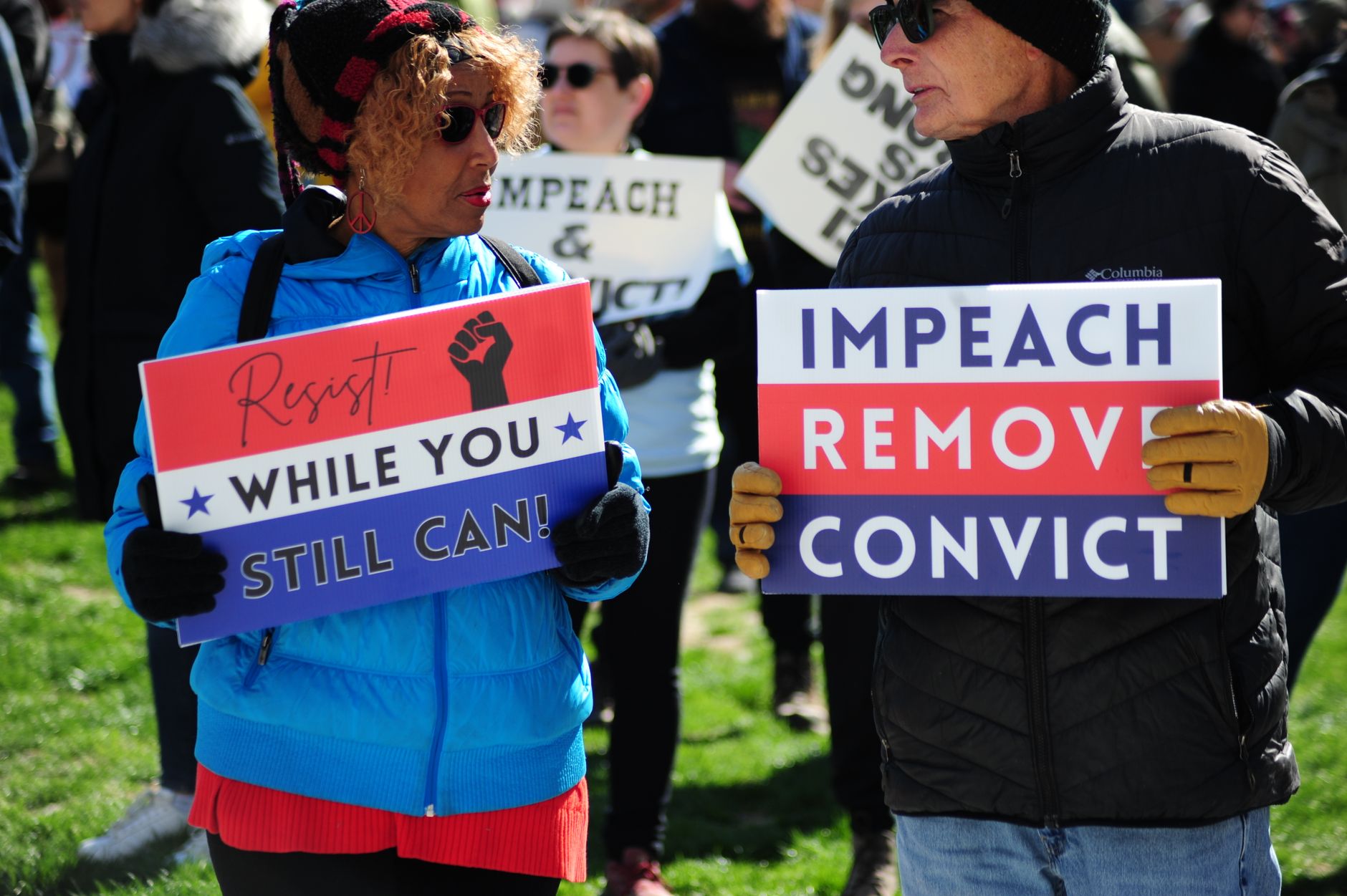
The Republican impeachment effort has been dismissed by Pete Hegseth as merely a political spectacle. This incident highlights ongoing tensions within the party and the broader implications for US politics.
Understanding the Republican Impeachment Effort
The recent Republican impeachment effort has garnered significant attention, with many viewing it as a strategic maneuver within the turbulent landscape of US politics. Critics argue that the initiative is less about constitutional duties and more about political posturing.
Prominent figures, including Fox News host Pete Hegseth, have dismissed the impeachment as merely a political spectacle, suggesting that the motivations behind the effort are not rooted in genuine concerns but rather in party loyalty and power dynamics.
To better understand the implications of this Republican impeachment effort, consider the following points:
- Political Strategy: Many analysts believe the impeachment serves as a rallying cry for the Republican base, aiming to galvanize support ahead of upcoming elections.
- Public Perception: The spectacle may influence how voters perceive both the Republican Party and their Democratic counterparts, potentially swaying opinions in favor of one party over the other.
- Impact on Governance: Critics warn that the focus on impeachment could distract lawmakers from pressing issues that require bipartisan cooperation, ultimately hindering effective governance.
As the situation unfolds, it remains critical for the public to remain informed about the true motivations driving this Republican impeachment effort, separating fact from political theatrics.
Key Players Involved in the Impeachment
The ongoing Republican impeachment effort has brought several key players to the forefront of this political drama. Each individual plays a pivotal role in shaping the narrative and influencing the direction of the proceedings.
- House Speaker Kevin McCarthy: As a central figure, McCarthy has been vocal in his support for the impeachment inquiry, arguing that accountability is necessary for the integrity of the office. His leadership is critical in rallying Republican support.
- Representative Jim Jordan: A staunch ally of the impeachment effort, Jordan has taken on a prominent role in the investigations. His commitment to uncovering what he describes as misconduct has made him a key spokesperson for the Republicans.
- Senator Mitch McConnell: While McConnell’s stance remains cautious, his influence in the Senate is undeniable. He has emphasized the importance of a measured approach, urging caution among his colleagues regarding the potential fallout of impeachment.
- Representative Marjorie Taylor Greene: Known for her controversial views, Greene has wholeheartedly embraced the impeachment effort, using her platform to galvanize support among the party’s base.
As these players maneuver through the intricate landscape of American politics, the stakes are high. The outcome of the Republican impeachment effort may define not only the immediate political climate but also the future of the Republican Party itself.
Political Reactions to Hegseth’s Comments
The political landscape surrounding the Republican impeachment effort continues to evolve, with various reactions surfacing in response to recent comments made by Pete Hegseth. Hegseth, a prominent figure in conservative media, characterized the impeachment effort against him as merely “a political spectacle.” His remarks have sparked a wave of discussions among political analysts and party members.
Supporters of Hegseth have rallied behind him, arguing that the impeachment effort is more about political maneuvering than substantial grievances. They believe that the actions taken against him are indicative of a broader strategy to undermine influential voices within the Republican Party. Conversely, critics of Hegseth view his comments as an attempt to downplay legitimate concerns regarding accountability and ethics.
Political commentators have noted a significant divide within the Republican Party regarding the impeachment effort. Some members feel that it is a necessary step to uphold the party’s values and integrity, while others express skepticism about its effectiveness and motives. The following points summarize the varying political reactions:
- Support for Hegseth: Advocates claim it is a distraction from more pressing issues.
- Criticism of the Effort: Opponents argue it risks further fracturing the party.
- Calls for Unity: Some leaders urge a focus on shared goals rather than internal conflicts.
As the situation develops, the implications of this impeachment effort remain to be seen.
The Impact on Republican Unity
The ongoing Republican impeachment effort has sparked significant debate within the party, raising questions about unity and strategy. As various factions within the Republican Party express differing opinions on the impeachment movement, the potential for division looms large. Some party members view the initiative as a necessary step to uphold accountability, while others perceive it as a distraction from more pressing issues affecting constituents.
Several key points illustrate the impact of this situation on Republican unity:
- Factional Disagreements: There are noticeable rifts between establishment Republicans and more radical members. This division has led to heated discussions about the party’s direction and priorities.
- Electoral Concerns: Many Republicans worry that the impeachment effort could alienate moderate voters, potentially jeopardizing upcoming elections. This concern has led some members to distance themselves from the initiative.
- Resource Allocation: The focus on impeachment may divert critical resources and attention away from other essential issues, such as the economy and healthcare, which could further exacerbate internal tensions.
As the impeachment effort continues to unfold, its long-term effects on Republican unity remain uncertain. Party leaders must navigate these challenges carefully to maintain cohesion and ensure that the party remains focused on its broader goals.
Historical Context of Impeachment in US Politics
The historical context of impeachment in U.S. politics provides essential insights into the current Republican impeachment effort. Impeachment has been a tool for addressing perceived abuses of power since the founding of the nation, with the Constitution granting Congress the authority to remove a president for “high crimes and misdemeanors.” This has led to several significant impeachment proceedings throughout American history.
Notably, the impeachments of Presidents Andrew Johnson, Richard Nixon, and Bill Clinton highlight the varied political landscapes and motivations behind such efforts. Each case was marked by intense partisan divisions and public scrutiny, reflecting the complexities of governance and accountability in a democratic system.
In recent years, the impeachment process has become increasingly contentious, often seen as a measure driven by political strategy rather than substantive legal violations. The Republican impeachment effort today echoes past events where accusations were frequently dismissed as partisan spectacles, with opponents arguing that such moves are more about political gain than genuine accountability.
Moreover, the impact of media coverage and public opinion cannot be underestimated. Impeachment has transformed into a political spectacle, captivating public attention and shaping narratives around party loyalty and governance. As the Republican impeachment effort unfolds, understanding this historical framework is crucial for evaluating its implications for the future of American politics.
Future Implications for the Republican Party
The ongoing Republican impeachment effort against certain party figures raises significant questions about the future of the Republican Party itself. As internal divisions become more pronounced, the implications of this political spectacle could reshape party dynamics for years to come.
Firstly, the impeachment effort may lead to a reevaluation of party loyalty. Many Republicans are torn between supporting the impeachment and adhering to traditional party values. This conflict could create factions within the party, potentially undermining a unified front in upcoming elections.
Secondly, the strategy employed by those advocating for impeachment might alienate moderate voters. As the party navigates these turbulent waters, it risks losing the support of individuals who prioritize governance over political theatrics. The emphasis on impeachment could overshadow key issues that resonate with the electorate.
Additionally, the perception of the party as embroiled in controversy may affect fundraising efforts. Donors typically prefer to support candidates who present a clear, positive agenda rather than those involved in what some consider a political circus.
Finally, the fallout from this impeachment effort could lead to a generational shift within the party. Younger Republicans may seek to distance themselves from the spectacle, advocating for a return to core principles rather than engaging in divisive tactics.
Ultimately, how the Republican Party responds to the current impeachment effort will define its trajectory in the coming years.
The Republican impeachment effort has sparked intense debate among party members and the public alike. Many are questioning the motives behind the Republican impeachment effort as they seek to understand its implications for future governance.
Photo by Germar Derron on Pexels