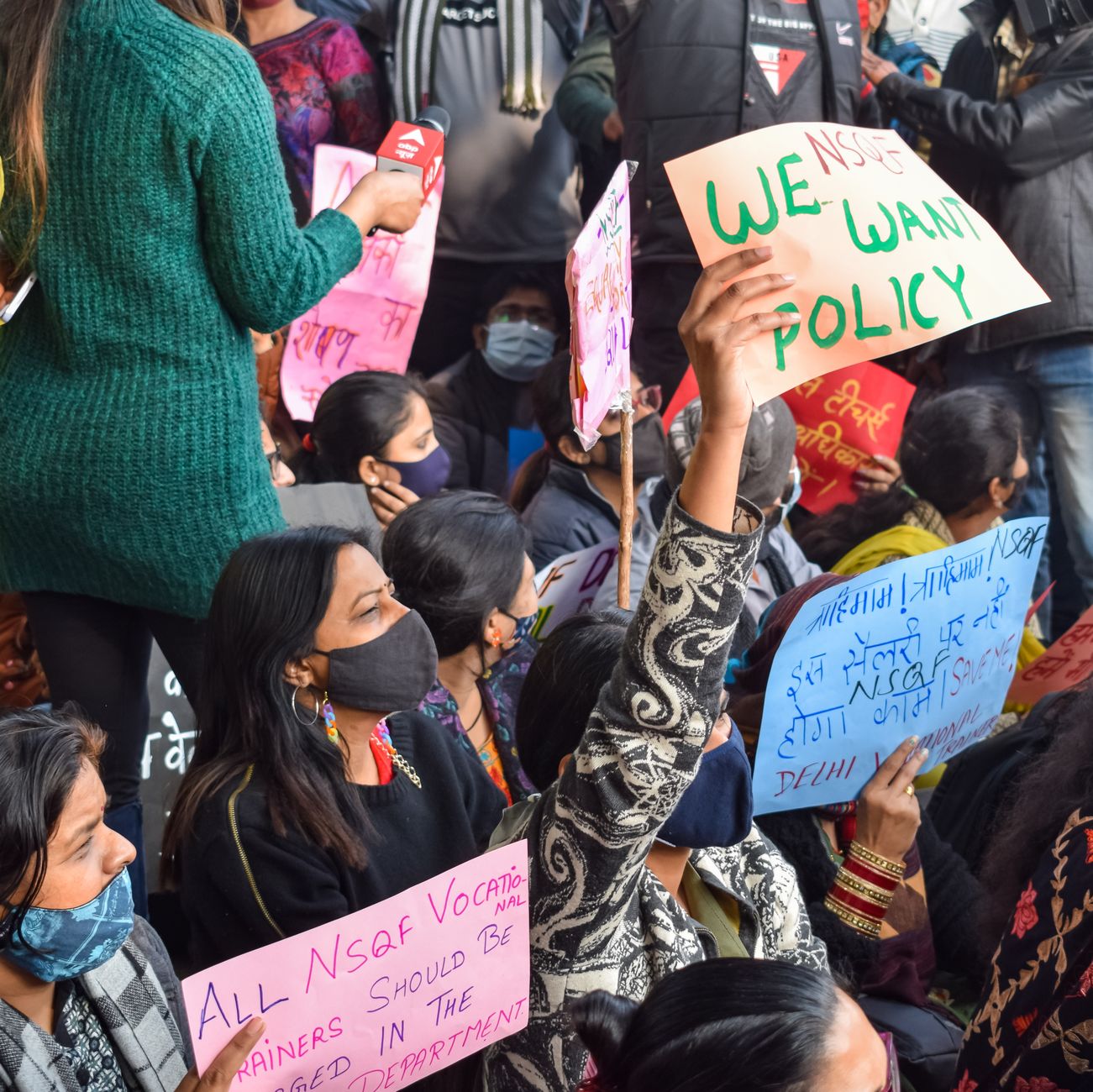
SAF policy public comments are set to be sought by the government soon, as announced by Naidu. This initiative aims to gather public opinions and feedback on the policy.
What is the SAF policy?
The SAF policy, or Sustainable Agriculture Framework policy, is an initiative aimed at promoting environmentally friendly agricultural practices. This policy is designed to address critical issues related to sustainability, food security, and climate change. By implementing the SAF policy, the government seeks to enhance the resilience of agricultural systems while minimizing their environmental impact.
Key objectives of the SAF policy include:
- Promoting sustainable farming practices: Encouraging methods that preserve natural resources and reduce greenhouse gas emissions.
- Enhancing food security: Ensuring that agricultural production meets the growing demands of the population.
- Encouraging biodiversity: Protecting various plant and animal species within agricultural ecosystems.
- Supporting farmers: Providing assistance and training to adopt sustainable practices.
As part of the implementation process, the government will seek public comments on the SAF policy, allowing stakeholders and the community to contribute their insights. This engagement is crucial for refining the policy and ensuring it meets the needs of those it serves.
Importance of public comments
The importance of public comments in shaping the SAF policy cannot be overstated. Engaging the public in this process allows for a diverse range of perspectives and insights, which can significantly enhance the policy’s effectiveness and acceptance. By inviting feedback, the government ensures that the voices of various stakeholders, including industry professionals, environmental advocates, and community members, are heard and considered.
Moreover, public comments can:
- Identify Gaps: They can highlight areas that may have been overlooked or require further clarification.
- Enhance Transparency: Encouraging public involvement fosters accountability and openness in the policy-making process.
- Build Trust: When citizens feel that their opinions matter, it strengthens the relationship between the government and the community.
- Encourage Innovation: Diverse input can lead to creative solutions and ideas that may improve the policy’s implementation.
As the government prepares to seek public comments on the SAF policy, stakeholders are urged to participate actively and share their insights.
Naidu’s announcement details
In a recent announcement, Naidu outlined the government’s plan to engage the public on the upcoming SAF policy changes. The initiative aims to gather valuable input from citizens, ensuring a comprehensive approach to policy development.
Naidu emphasized the significance of public comments, stating that they will play a crucial role in shaping the final version of the policy. He noted that the government is committed to transparency and inclusivity, inviting diverse perspectives from various stakeholders.
The announcement highlighted several key points regarding the public comment period:
- Duration: The public will have a specified time frame to submit their feedback.
- Accessibility: Comments can be submitted online, making it easier for citizens to participate.
- Focus Areas: Specific aspects of the SAF policy will be open for discussion, allowing targeted feedback.
Naidu concluded by urging all citizens to engage actively in the process, as the input received will be vital in refining the SAF policy to better serve the community.
How to participate in the consultation
Participating in the consultation regarding the SAF policy public comments is essential for stakeholders and the general public to voice their opinions and influence upcoming changes. Here’s how you can engage in the process:
- Review the Draft Policy: Before submitting your comments, it’s crucial to thoroughly read the draft SAF policy. Familiarize yourself with its contents and the proposed changes.
- Prepare Your Feedback: Take time to formulate your thoughts. Consider the implications of the policy on your community or sector, and highlight any concerns or suggestions.
- Submit Your Comments: Comments can typically be submitted online through the designated government portal. Ensure you follow the submission guidelines, including deadlines and formatting requirements.
- Attend Public Meetings: Look for announcements regarding public meetings or forums where you can discuss your views directly with policymakers and other stakeholders.
- Stay Informed: Keep an eye on updates from the government regarding the SAF policy public comments to ensure your input is timely and relevant.
The upcoming changes to the SAF policy public comments will provide stakeholders with more opportunities to share their insights. Understanding the implications of these SAF policy public comments is crucial for effective engagement in the process.
Photo by Rahul Sapra on Pexels