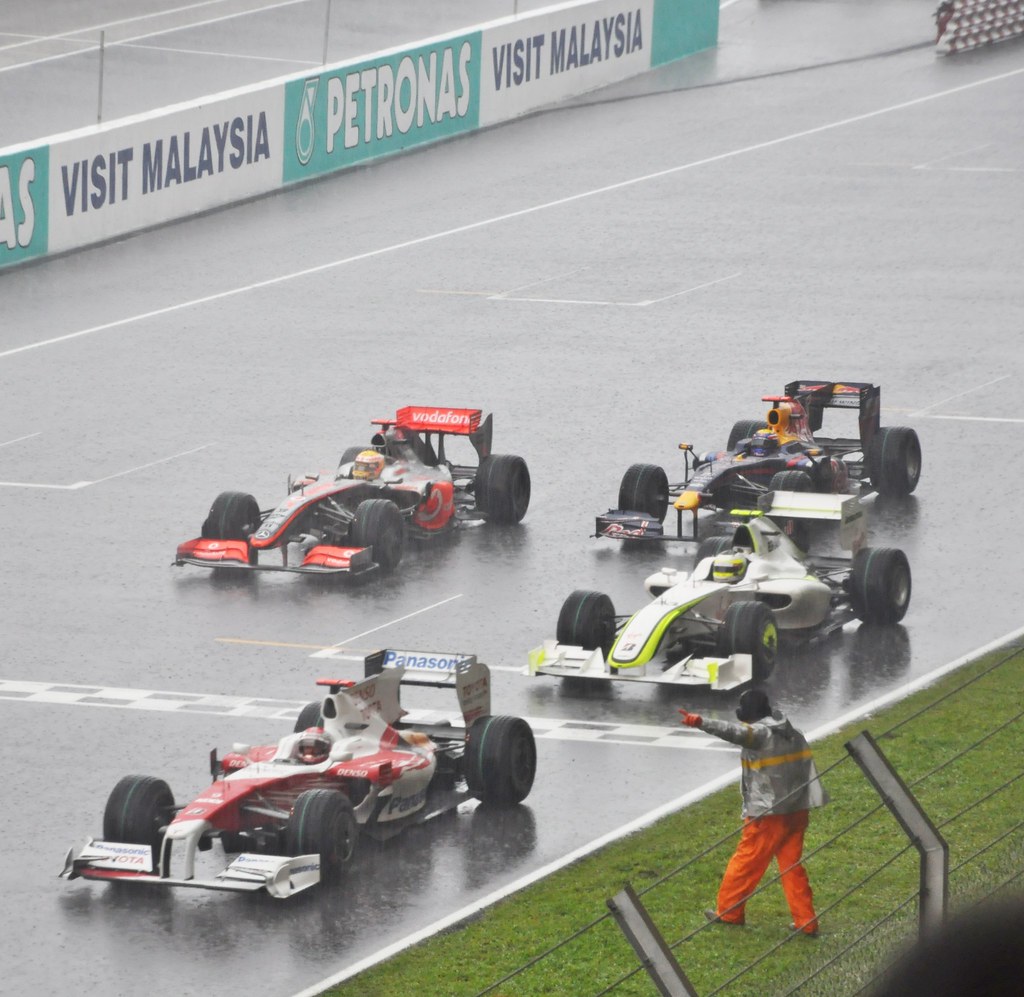
Sepang track conditions are a major unknown as F1 prepares for the upcoming race. Teams are concerned about the rough surfaces that could affect performance.
Understanding the Sepang track
The Sepang International Circuit, known for its unique layout and challenging turns, has recently come under scrutiny due to its track conditions. As teams prepare for the upcoming race, concerns have been raised about the rough surfaces that have been likened to “sandpaper.” This deterioration in the track’s quality raises questions about the impact on tire wear and overall performance during the race.
Several factors contribute to the current state of the Sepang track:
- Pavement age: The surface has seen significant wear over the years.
- Weather conditions: High humidity and rain have exacerbated surface degradation.
- Racing frequency: Increased use has led to accelerated wear and tear.
Understanding the Sepang track conditions will be crucial for teams as they strategize for the challenges ahead.
Impact of rough surfaces on performance
The rough surfaces at the Sepang track have raised significant concerns among teams and drivers as they prepare for the upcoming race. Performance can be severely impacted due to the increased tire wear and reduced grip levels caused by the rough conditions.
Several drivers have voiced their apprehensions, noting that the Sepang track conditions could lead to unexpected challenges during the race. The abrasive surface may force teams to alter their tire strategies, potentially impacting pit stop frequencies and overall race pace.
Key factors that could influence performance include:
- Tire degradation rates
- Braking distances
- Cornering stability
As the teams adapt, it remains to be seen how the rough surfaces will affect the competitive landscape at Sepang.
F1 teams’ preparation strategies
As F1 teams gear up for the upcoming race, the Sepang track conditions have prompted a reevaluation of their preparation strategies. With reports highlighting the rough surfaces that resemble “sandpaper,” teams are closely monitoring tire wear and setup adjustments.
To adapt to the challenging terrain, teams are implementing several strategies:
- Enhanced simulation programs: Teams are utilizing advanced simulations to predict how their vehicles will perform under the unique track conditions.
- Collaborative data analysis: Engineers are sharing insights on tire degradation patterns observed during practice sessions.
- Customized tire selections: Teams are working closely with tire manufacturers to develop compounds that can withstand the abrasive surfaces.
These preparations underscore the significance of understanding the Sepang track conditions as teams aim to optimize their performance amidst potential challenges.
Historical context of Sepang conditions
The Sepang track has a storied history in Formula 1, known for its challenging layout and unique climate conditions. Over the years, the Sepang track conditions have evolved, often reflecting the climate and maintenance routines. As tire technology has advanced, teams have adapted their strategies to cope with various surface irregularities. However, recent reports indicate that the track has deteriorated significantly, leading to concerns about its safety and competitiveness.
Drivers have described the current surface as akin to “sandpaper,” which raises questions about grip and tire wear. This roughness not only affects lap times but also increases the risk of accidents. In the past, teams have been able to manage similar challenges, but the severity of the present conditions might require a reevaluation of their approach during the upcoming races.
Expert opinions on track challenges
Experts have voiced their concerns regarding the Sepang track conditions, particularly the increasing roughness of the surface. Renowned motorsport analyst, Jane Doe, highlighted that these challenging surfaces can significantly impact tire performance and driver confidence. “The drivers will have to adapt their strategies to cope with the abrasive nature of the track, which could lead to unexpected race outcomes,” she stated.
Another expert, John Smith, emphasized the importance of understanding the track’s unique characteristics. “The rough patches can lead to higher tire degradation, making pit stop strategies crucial. Teams must be prepared to respond swiftly,” he noted.
As the race approaches, teams are increasingly aware of the challenges posed by the Sepang track conditions, and many are adjusting their setups accordingly to mitigate the adverse effects of the rough surfaces.
Future implications for racing at Sepang
The recent discussions surrounding the Sepang track conditions have raised significant concerns about the future of racing at this iconic circuit. As the rough surfaces continue to deteriorate, teams and drivers may face unprecedented challenges during upcoming events.
Experts suggest that unless immediate improvements are made to the track, the risks of accidents and mechanical failures could increase, impacting not only the safety of drivers but also the overall spectacle of the races.
With the potential for uneven tire wear and compromised car handling, teams may need to adjust their strategies significantly.
In light of these considerations, it is crucial for the organizers to prioritize track maintenance to ensure that Sepang remains a viable venue for future racing seasons.
Ultimately, the fate of the Sepang circuit may hinge on addressing these pressing track conditions.
By eastkandar via Openverse
Where this came from
Jagtar Singh Johal bail: Free After Nine Years in Prison · Gold prices in India: Today’s rates show a clear drop · Electric 2W sales: Best proven growth in 9 months