




SpaceX data centers are now a reality after the FCC approved one million in space, leaving astronomers dismayed. The implications of this decision raise significant concerns for the future of astronomical research.
The impact of SpaceX data centers on astronomy
The recent approval by the FCC for 1 million SpaceX data centers in space has raised significant concerns among the astronomical community. These facilities, designed to support satellite operations and data processing, could have detrimental effects on astronomical observations.
Experts warn that the proliferation of SpaceX data centers could:
- Increase light pollution: The bright emissions from these centers may interfere with the clarity of night skies.
- Obstruct satellite tracking: More data centers could lead to more satellites, complicating the observation of celestial phenomena.
- Limit research opportunities: Astronomers may find their ability to conduct essential research hindered by the interference from these technological installations.
As the debate continues, many are calling for measures to protect the integrity of astronomical research in the face of expanding commercial interests in space.
What the FCC approval means for space technology
The FCC approval of 1 million SpaceX data centers in space is poised to reshape the landscape of space technology significantly. This unprecedented decision enables SpaceX to expand its operations, focusing on enhancing satellite communications and data processing capabilities.
While proponents argue that this development will lead to faster internet access and improved services, the implications for astronomy are alarming. Astronomers have voiced concerns that these data centers may interfere with critical observations of celestial bodies, potentially hindering research.
The approval is seen as a double-edged sword; it accelerates advancements in technology while simultaneously posing challenges for scientific communities. The deployment of SpaceX data centers raises questions about the balance between technological progress and the preservation of our ability to explore the universe.
Experts are urging for a collaborative approach to mitigate the negative effects on astronomy and ensure that both technological and scientific pursuits can coexist.
Astronomers react to the new SpaceX data centers
Astronomers have expressed significant concern over the recent approval of SpaceX data centers, calling it the “worst decision for astronomers.” The widespread deployment of these facilities is expected to interfere with critical observations of celestial phenomena.
Many experts believe that the bright lights and emissions from the SpaceX data centers could drown out faint signals from distant galaxies, making it increasingly difficult to conduct research. One astronomer stated, “The introduction of these data centers could fundamentally alter our ability to explore the universe.”
In a survey conducted among scientists,
- 78% of respondents indicated they are worried about light pollution.
- 85% believe data centers will disrupt ongoing projects.
- 90% think collaboration with SpaceX is necessary to mitigate these effects.
As the astronomical community grapples with this new reality, the long-term implications of SpaceX data centers will be monitored closely.
Future of satellite communications with SpaceX
The future of satellite communications is poised to undergo significant transformation with the introduction of SpaceX data centers.
These facilities are designed to enhance the efficiency and speed of satellite internet services, but they also raise concerns among astronomers about the potential interference with celestial observations.
As SpaceX expands its network, experts anticipate both opportunities and challenges in the field. The following points summarize key implications:
- Improved Connectivity: Enhanced satellite communications can provide high-speed internet access to remote areas, bridging the digital divide.
- Increased Light Pollution: The proliferation of data centers may lead to more satellites in orbit, contributing to light pollution and disrupting astronomical research.
- Technological Innovation: SpaceX’s advancements could spur new technologies in satellite communication and data processing.
As the landscape evolves, finding a balance between technological progress and preservation of astronomical integrity remains crucial.
Concerns about light pollution and research interference
As SpaceX progresses with its plans for data centers in space, concerns are mounting among astronomers regarding potential light pollution and interference with vital research. The deployment of these SpaceX data centers could significantly disrupt the natural dark skies that are essential for astronomical observations.
Many scientists worry that the bright lights emitted from these facilities will hinder their ability to conduct accurate measurements and observe celestial phenomena. The consequences may extend beyond merely obstructing views; they could also lead to misinterpretations of data collected from space.
In response to the FCC’s approval, astronomers have raised a list of concerns, including:
- Increased background light levels affecting telescope sensitivity
- Challenges in tracking and cataloging celestial objects
- Potential for satellite collisions with observational equipment
Ultimately, the introduction of these data centers raises urgent questions about balancing technological advancement with the preservation of scientific integrity.
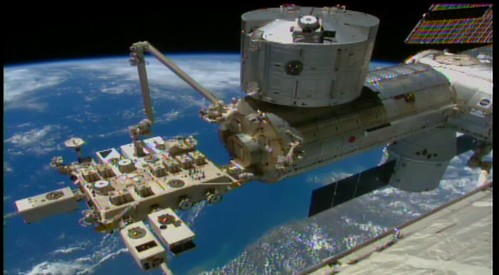
By NASA Goddard Photo and Video via Openverse