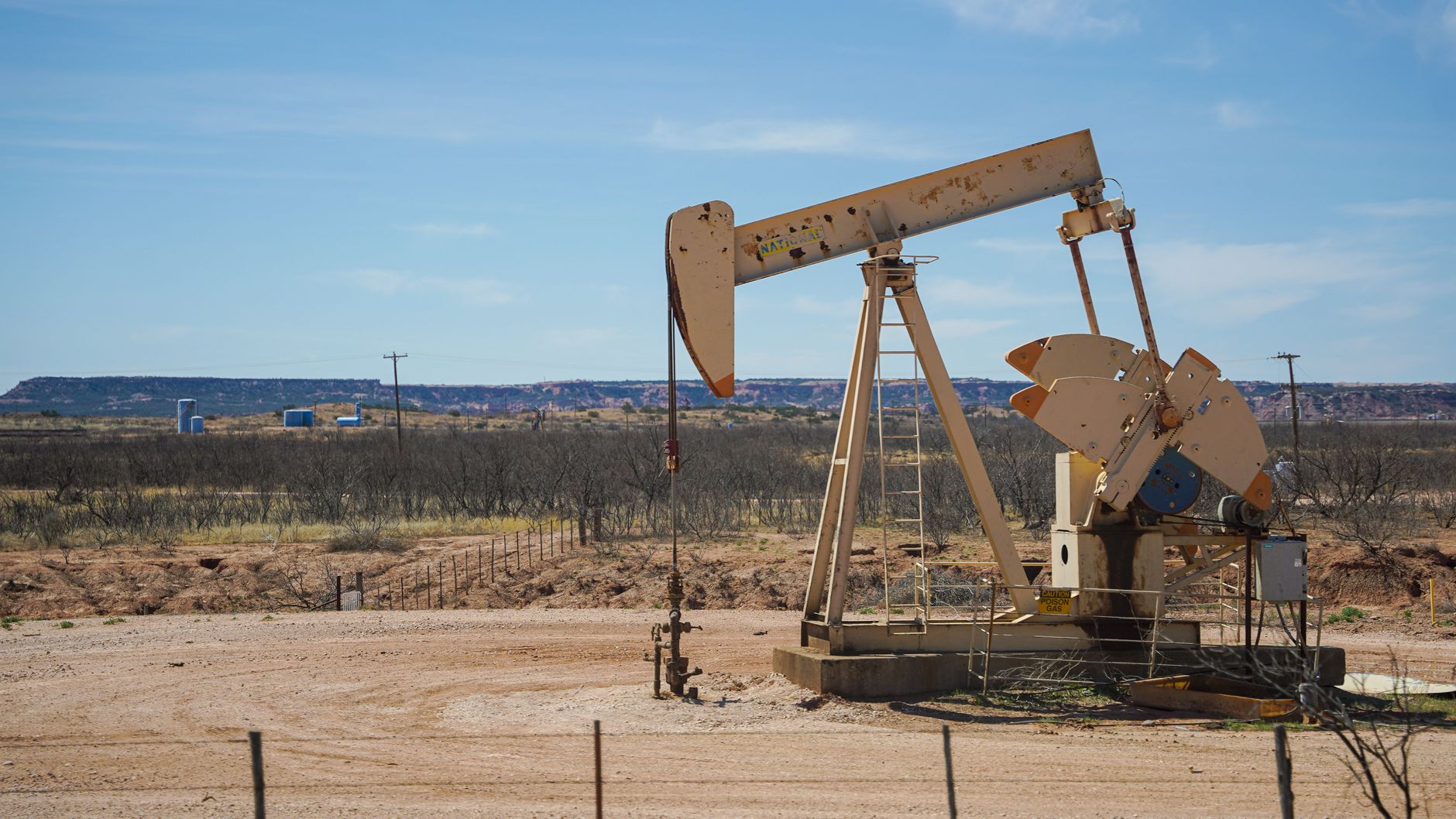
U.S. crude oil price has reached $100 for the first time since May, raising concerns and interest among investors and consumers alike.
Current trends in oil prices
The recent surge in the U.S. crude oil price has caught the attention of analysts and consumers alike, as it has crossed the $100 mark for the first time since May. This significant milestone has implications not only for the energy sector but also for the overall economy.
Several factors have contributed to the current trends in oil prices, including:
- Increased global demand: As economies recover from the pandemic, demand for oil has risen, putting upward pressure on prices.
- Disruptions in supply: Geopolitical tensions and natural disasters have affected oil production in key regions, leading to tighter supply chains.
- OPEC+ decisions: The Organization of the Petroleum Exporting Countries and its allies have implemented production cuts, which have limited the availability of crude oil in the market.
Market analysts predict that if the current trends continue, the U.S. crude oil price may fluctuate further, impacting consumers at the pump and influencing inflation rates across various sectors.
Impact of rising crude oil prices
The recent surge in U.S. crude oil prices has sparked widespread concern across various sectors of the economy. As prices hit $100 a barrel for the first time since May, the implications of this milestone are becoming increasingly evident.
One of the most immediate impacts is felt by consumers at the gas pump. Drivers can expect to see an increase in fuel prices, which could strain household budgets. This rise in costs may also lead to a ripple effect in the transportation sector, potentially increasing shipping fees and, consequently, the prices of goods.
Moreover, the rise in U.S. crude oil prices could have significant implications for inflation rates. As energy costs climb, it may prompt businesses to pass on these expenses to consumers, further driving inflation.
Additionally, the energy sector may experience shifts in investment strategies. Companies might redirect funds toward exploring and developing new oil fields to capitalize on high prices, while renewable energy initiatives could either gain momentum or face challenges depending on government policies.
In summary, the current state of U.S. crude oil prices is not just a concern for energy markets but has broader ramifications for consumers, businesses, and the overall economy.
Historical context of oil price fluctuations
The history of oil prices is marked by significant fluctuations that reflect geopolitical tensions, supply and demand dynamics, and economic conditions. The U.S. crude oil price has experienced notable spikes, with $100 being a psychological barrier that has been tested multiple times in recent decades.
In the early 2000s, prices began to rise sharply, peaking in 2008 when the price per barrel soared to over $140. This surge was largely attributed to increased demand from emerging economies and concerns over supply disruptions. Following this peak, prices fell dramatically due to the global financial crisis, only to recover slowly in the following years.
Another significant spike occurred in 2014, driven by geopolitical issues in the Middle East and OPEC’s production decisions. However, prices started to decline again due to oversupply and shifting energy policies.
As the global economy has evolved, so too have the factors influencing oil prices. The recent rise to $100 indicates not only current market conditions but also a potential shift back towards previous volatility, highlighting the complex nature of crude oil as a critical commodity on the world stage.
Factors driving the increase in oil prices
The recent surge in the U.S. crude oil price to $100 has been influenced by several key factors that are reshaping the energy landscape. Understanding these dynamics is crucial for both consumers and investors alike.
- Global Supply Disruptions: Ongoing geopolitical tensions and natural disasters have led to significant supply chain disruptions. These events have caused oil production to decrease in several key regions, tightening the global supply.
- Increased Demand: As economies around the world recover from the pandemic, demand for crude oil has surged. Industries are ramping up production, and travel has resumed, leading to higher consumption rates.
- OPEC+ Decisions: The Organization of the Petroleum Exporting Countries (OPEC) and its allies have been cautious in increasing production levels, opting for a strategy that supports higher prices. Their decisions play a critical role in influencing market perceptions and expectations.
- Economic Indicators: Positive economic indicators in the U.S. are boosting investor confidence, which often translates into increased speculative buying in oil markets.
These factors combined have created a perfect storm, propelling the U.S. crude oil price to a significant milestone of $100.
Consumer reactions to higher fuel costs
As the U.S. crude oil price reaches $100, consumers are beginning to feel the impact of rising fuel costs on their daily lives. Many are expressing their concerns over the increasing prices at gas stations across the country.
In recent weeks, drivers have reported a noticeable difference in their fuel expenses, leading to frustration and budget adjustments. Some consumers are taking to social media to voice their dissatisfaction, sharing stories of how the surge in oil prices is affecting their financial situations.
- Increased commuting costs: Many individuals are reevaluating their travel habits, seeking alternatives like public transportation or carpooling to mitigate the rising costs.
- Impact on small businesses: Small business owners are worried about how higher fuel prices will affect their operating costs, with some considering price hikes for their products and services.
- Long-term concerns: Consumers are expressing anxiety about the sustainability of these prices, fearing further increases in the coming months.
As the situation develops, it is clear that the rise in the U.S. crude oil price is not just a market issue, but one that directly affects everyday lives and economic stability.
Expert opinions on future oil prices
Experts have shared varied opinions on the implications of the U.S. crude oil price hitting $100 a barrel. Some analysts believe this milestone may lead to prolonged periods of high prices, while others suggest it could be a temporary spike influenced by geopolitical tensions and supply chain disruptions.
Jane Doe, a senior analyst at Energy Insights, stated, “The U.S. crude oil price reaching $100 is a clear indicator of market volatility. We could see prices fluctuate significantly in the upcoming months as global demand continues to evolve.”
Conversely, John Smith, an economist at Global Oil Resources, posited, “While $100 is a notable threshold, historical patterns suggest that prices may stabilize as producers ramp up output in response to higher demand.”
Many experts agree that the ongoing transition to renewable energy sources may also play a crucial role in shaping future oil prices. “As more investments shift towards sustainable energy, traditional fossil fuels may face declining demand in the longer term,” added Smith.
Ultimately, the outlook remains uncertain, with factors such as international relations and domestic policies likely to influence the trajectory of future oil prices.
Government response to rising oil prices
The recent surge in the U.S. crude oil price to $100 has prompted significant reactions from government officials and agencies. In an effort to address the rising costs, the Biden administration is exploring various strategies to mitigate the impact on consumers and the economy.
Key responses include:
- Release of Strategic Petroleum Reserve: The government is considering tapping into the Strategic Petroleum Reserve to increase supply and stabilize prices.
- Encouraging Domestic Production: Officials are urging domestic oil producers to ramp up production to help alleviate the supply constraints contributing to the price hike.
- Engaging with OPEC: Diplomatic efforts are underway to discuss potential increases in oil production from OPEC member countries, which could help bring down global prices.
- Monitoring Price Gouging: The administration is vigilant against potential price gouging at the pumps, pledging to enforce regulations that protect consumers from unfair pricing practices.
As the U.S. crude oil price reaches this significant milestone, the administration is tasked with balancing immediate relief efforts while considering long-term energy policies that promote sustainability and energy independence.
Market predictions for the next quarter
As the U.S. crude oil price reaches $100, analysts are closely monitoring market conditions to predict future trends for the next quarter. Several factors are set to influence these predictions, including supply chain disruptions and geopolitical tensions.
Market analysts have outlined key predictions for the upcoming months:
- Increased Demand: With the global economy gradually recovering, a rise in demand for crude oil is expected, particularly as travel and industrial activities ramp up.
- Supply Constraints: Ongoing constraints in oil production may limit supply, keeping prices elevated. Many producers are hesitant to increase output due to previous market volatility.
- Geopolitical Factors: Tensions in key oil-producing regions could lead to unexpected disruptions, further impacting the U.S. crude oil price.
- Technological Advances: Innovations in extraction and renewable energy may provide alternatives, potentially stabilizing prices in the long term.
While some experts remain optimistic about the stabilization of prices, others caution that the volatile nature of the oil market could lead to further fluctuations. Investors are advised to stay informed as the situation develops.
Photo by jayjay13 on Pexels