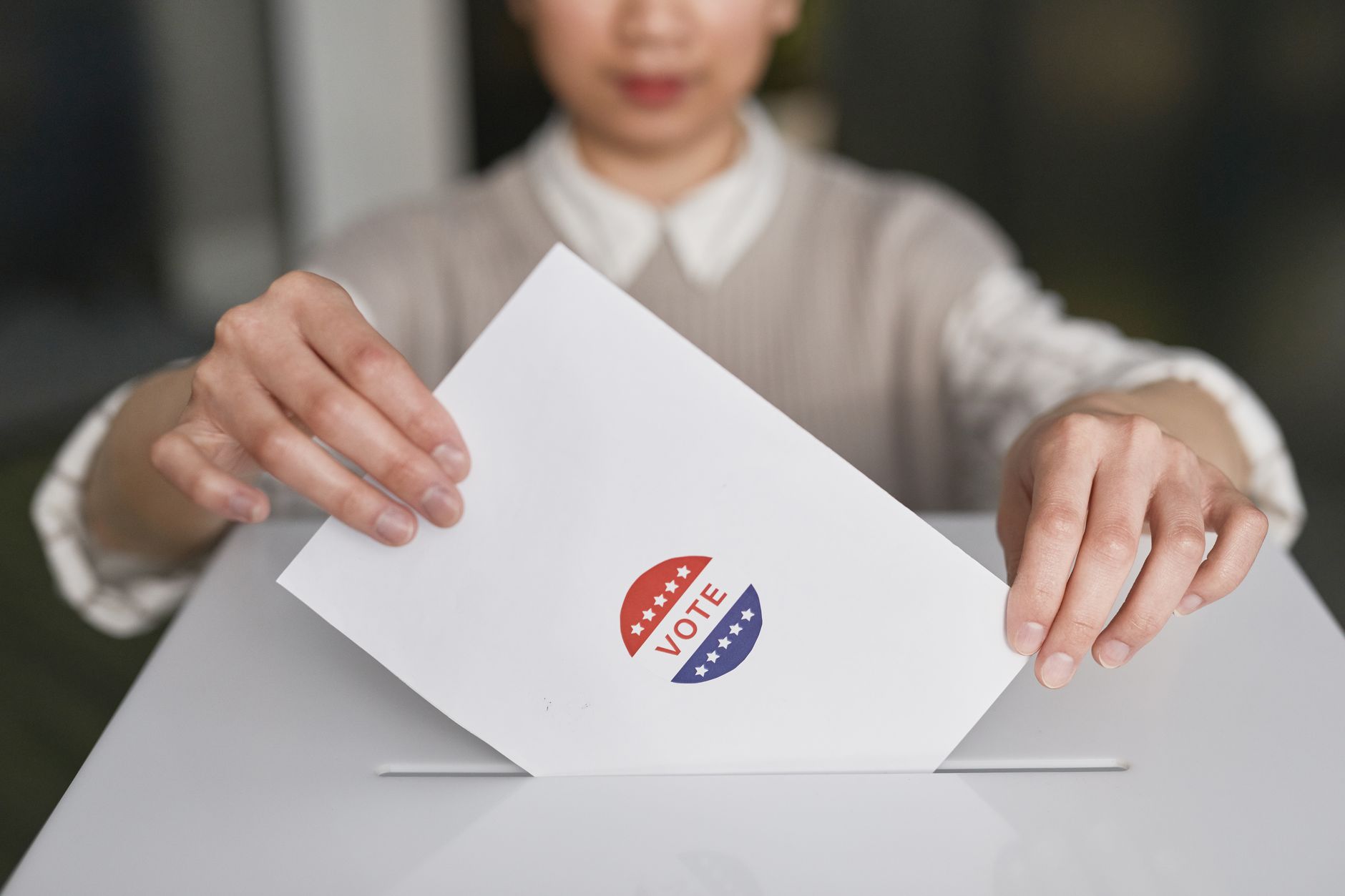
Midterm election results have been described by Trump as a giant step back in history for the US. This statement has sparked discussions about the future of American politics.
Understanding Trump’s Statement on Midterm Elections
In a recent statement, former President Donald Trump expressed his discontent with the midterm election results, describing them as a “giant step back in history” for the United States. This comment reflects a broader sentiment among some Republican leaders who feel disillusioned by the outcomes of the elections.
Trump’s remarks came in the wake of significant losses for the GOP, particularly in key battleground states where they expected to gain ground. His assessment highlights a growing concern within the party concerning voter turnout and the effectiveness of their campaign strategies.
Political analysts have noted the following key factors influencing the election results:
- Voter Engagement: A surge in voter turnout among young and minority demographics may have favored Democratic candidates.
- Candidate Quality: Some Republican candidates struggled to connect with voters, leading to losses in crucial races.
- National Issues: Topics such as abortion rights and inflation played a significant role in shaping voter opinions.
As Trump and others in the party assess these midterm election results, the focus now shifts to understanding the implications for future elections and the Republican Party’s direction.
Historical Context of Midterm Elections
The midterm elections have historically served as a barometer for the political climate in the United States. Over the decades, these elections have often reflected voter sentiment on the performance of the sitting president and their administration’s policies.
In many instances, midterm election results have led to significant shifts in congressional power. For example:
- In 1994, the Republican Party gained control of both houses of Congress, marking a pivotal moment in American politics.
- Similarly, the 2010 midterms saw a substantial gain for Republicans, largely attributed to opposition against President Obama’s policies.
- Conversely, in 2018, Democrats regained control of the House of Representatives amid widespread dissatisfaction with President Trump.
The implications of midterm elections can be profound, often setting the stage for the subsequent presidential election. As Trump remarked on the recent midterm election results, many are left questioning whether this outcome signifies a giant step back for progressive policies and movements in the country. The comparisons to historical trends may provide insight into the potential long-term effects of these election results on the nation’s trajectory.
Reactions from Political Analysts
Political analysts have expressed a mix of concern and confusion regarding the midterm election results. Many believe that the outcomes signal a significant shift in the political landscape, reflecting deeper societal issues.
Dr. Emily Carter, a political science professor, noted that “the midterm election results indicate a potential backlash against the current administration.” She emphasized that such reactions are often tied to economic conditions and public sentiment regarding key issues like healthcare and immigration.
Mark Thompson, a senior analyst at a leading think tank, remarked, “Voter turnout was lower than expected, which is troubling for the party in power. This could indicate a lack of enthusiasm among their base.”
Additionally, Linda Martinez, a strategic consultant, pointed out that “the midterm election results may serve as a wake-up call for political leaders to address the concerns of their constituents more effectively.”
Furthermore, analysts are closely watching the implications these results may have on upcoming presidential elections, as the current political climate could shape candidates’ strategies moving forward.
As the nation digests these results, the question remains: are we witnessing a giant step back for American democracy?
Impact on Future Elections
The recent midterm election results have sparked intense discussions about their implications for future elections in the United States. Many analysts believe that the outcomes may signify a shift in voter sentiment and party alignment, potentially reshaping the political landscape for years to come.
One significant concern is the impact of these results on voter turnout. Experts suggest that the perceived dissatisfaction with current leadership may either galvanize voters to become more engaged or lead to apathy, depending on how parties respond to the election outcomes.
Additionally, the midterm election results could influence upcoming presidential campaigns. Candidates may need to adjust their strategies and messaging to resonate with the electorate, reflecting the priorities highlighted during this election cycle. Key issues such as healthcare, economic stability, and social justice emerged prominently, highlighting what voters prioritize as they move forward.
Ultimately, the ramifications of the midterm election results extend beyond immediate political victories or losses. They may serve as a precursor to future electoral trends, defining how parties will navigate their platforms and engage the electorate in the lead-up to the next presidential election.
What Voters Need to Know
As the nation processes the midterm election results, voters are left grappling with the implications of the outcomes. Here are several key points to consider:
- Voter Turnout: Historical data indicates that midterm elections typically see lower voter turnout compared to presidential elections. Understanding this pattern can provide insight into the significance of the current results.
- Key Issues: The issues that dominated the election cycle, such as the economy, healthcare, and social justice, played a crucial role in shaping voter decisions. These topics remain relevant as they will influence future policy debates.
- Party Dynamics: The results highlight shifts in party power dynamics. Analyzing these changes can help voters understand the current political landscape and its potential impact on governance.
- Future Elections: The midterm election outcomes may set the stage for upcoming elections. Voters should remain informed about how these results could influence party strategies and candidate selections moving forward.
In light of Trump’s statement regarding the election results being a “giant step back in history,” it is essential for voters to critically assess what these results mean for the future of the nation.
Photo by Edmond Dantès on Pexels