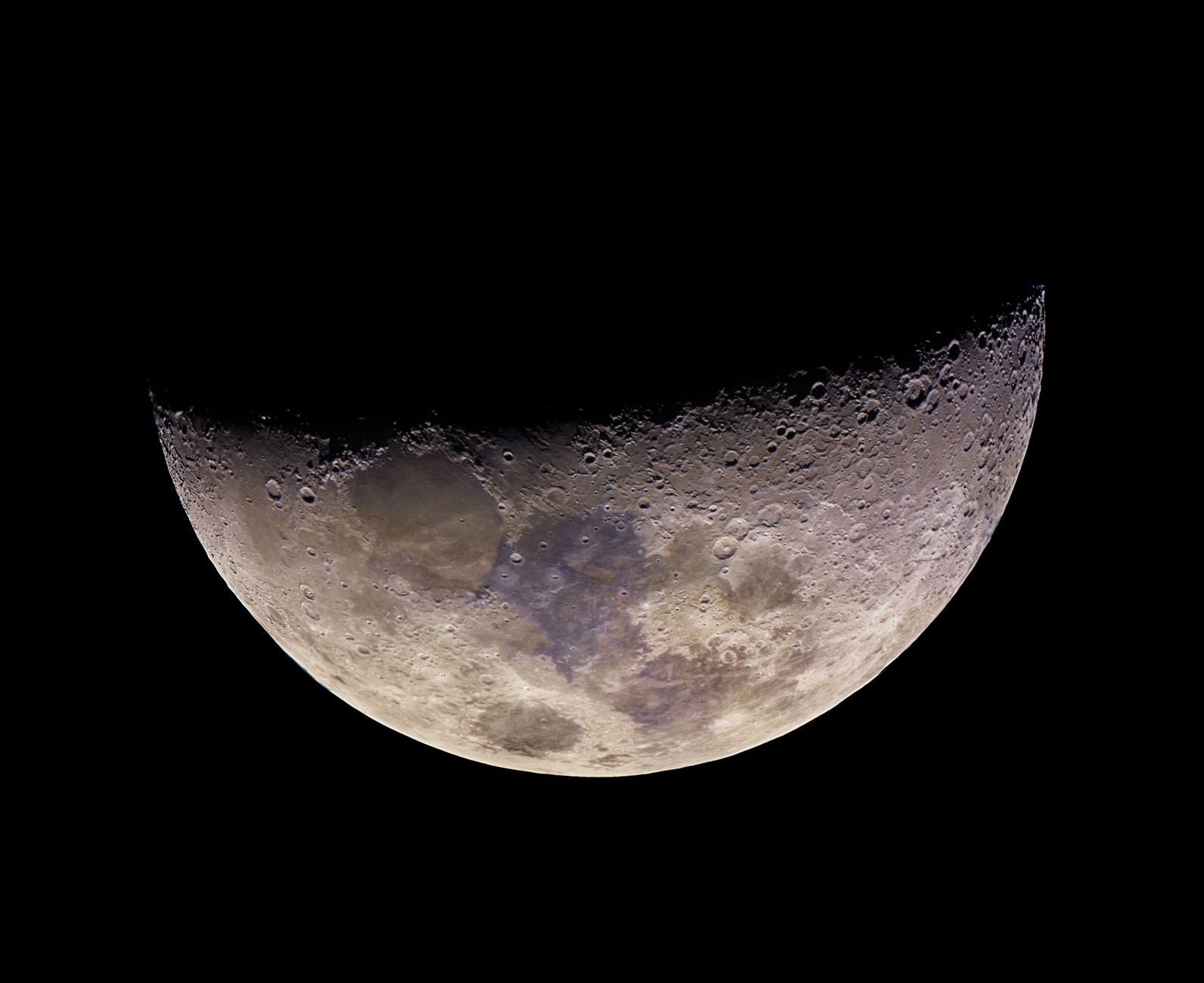
Moon formation theory suggests the moon formed just 5 hours after Earth slammed into protoplanet Theia, according to new simulations. This groundbreaking research sheds light on our planet’s early history.
Understanding the Moon Formation Theory
The moon formation theory has long intrigued scientists seeking to understand the origins of Earth’s natural satellite. Recent advancements in computer simulations have provided new insights into this longstanding mystery. According to these simulations, the moon may have formed approximately five hours after a colossal impact between Earth and a protoplanet known as Theia.
This groundbreaking research suggests that the initial collision generated immense heat and debris, which eventually coalesced to form the moon. The implications of these findings challenge previous assumptions about the timeline and processes involved in lunar formation.
- Impact Event: The hypothesis posits that a Mars-sized body collided with the young Earth, leading to the ejection of material into orbit.
- Coalescence: Over a short period, this debris began to clump together, driven by gravitational forces.
- Rapid Formation: The simulations indicate that the moon’s formation could occur much faster than previously thought, solidifying within hours of the impact.
Understanding the moon formation theory not only enhances our knowledge of the Earth-moon system but also provides critical insights into planetary formation processes throughout the cosmos. As researchers continue to refine their models, the story of our moon’s origins may become clearer than ever before.
The Significance of Theia in Earth’s History
The recent advancements in our understanding of the moon formation theory have emphasized the pivotal role of Theia, a hypothetical protoplanet. According to the new simulations, the collision between Earth and Theia was not just a cataclysmic event; it was a defining moment in the history of our planet.
Theia, believed to be about the size of Mars, struck Earth with immense force, leading to the ejection of debris that eventually coalesced to form the Moon. This event occurred remarkably quickly, with simulations suggesting that the Moon formed just five hours after the collision, reshaping Earth’s trajectory and its geological development.
The significance of Theia extends beyond the mere creation of the Moon. It has implications for understanding Earth’s atmosphere, magnetic field, and the conditions that led to the emergence of life. The impact theory provides a framework for explaining why Earth is unique among the terrestrial planets in terms of its size, composition, and potential for sustaining life.
As researchers continue to refine the moon formation theory, they are uncovering more about the complex interactions between celestial bodies that have shaped our solar system. The legacy of Theia serves as a reminder of the chaotic history of planetary formation and the dynamic nature of our universe.
New Simulations Explained
Recent advancements in computational simulations have shed light on the moon formation theory, providing new insights into the timeline of our celestial companion’s birth. According to these simulations, researchers have discovered that the moon may have formed merely five hours after the Earth collided with the protoplanet known as Theia.
The simulations employed a variety of parameters to model the dynamics of the impact and subsequent debris interactions. Key findings from these simulations include:
- The rapid formation of the moon: The results suggest that the intense heat and gravitational forces resulted in a swift coalescence of debris into a singular lunar body.
- Material composition analysis: The simulations indicate that the moon’s material closely matches that of Earth’s outer layers, supporting the theory that the moon was formed from Earth’s ejected material.
- Variability of impact scenarios: Different impact angles and velocities were tested, revealing that even slight variations could lead to significant differences in the moon’s eventual characteristics.
This groundbreaking research not only reinforces existing theories but also opens new avenues for understanding the moon’s origin, further establishing the importance of simulations in the study of celestial formations.
How the Moon Affects Earth
The Moon exerts a profound influence on Earth, affecting various aspects of life and our planet’s environment. One of the most significant impacts is the gravitational pull the Moon has on Earth, which is responsible for the creation of ocean tides. These tides play a crucial role in marine ecosystems and have been pivotal in shaping coastal habitats.
Moreover, the Moon’s presence stabilizes Earth’s axial tilt, which is essential for maintaining a consistent climate. Without the Moon, Earth’s tilt could vary dramatically, leading to extreme changes in seasons and potentially disrupting the delicate balance of ecosystems.
Additionally, the Moon has cultural and psychological significance for humanity. Throughout history, it has inspired countless myths, legends, and artistic expressions. Its phases have guided agricultural practices and rituals across diverse civilizations, showcasing the deep connection between our natural satellite and human life.
Recent advances in the moon formation theory have provided insights into how our planet and its satellite evolved together. These findings emphasize the interconnectedness of Earth and the Moon, revealing how our shared history continues to shape the environment we inhabit today.
As we explore these new simulations, the implications of the Moon’s formation and its ongoing effects on Earth become increasingly clearer.
Implications for Planetary Science
The recent advancements in the moon formation theory have profound implications for the field of planetary science. As researchers delve deeper into the mechanics of celestial bodies, the new simulations reveal that the moon formed remarkably quickly, merely five hours after the colossal impact with Theia. This raises critical questions about the processes that govern planetary formation and the characteristics of other moons in our solar system.
One significant implication of these findings is the potential to reevaluate existing models of planetary development. The rapid formation of the moon suggests that similar processes may occur in other planetary systems, where moons could emerge in a shorter timeframe than previously thought. This could influence the search for exoplanets with moons that may harbor life.
Moreover, understanding the moon formation theory helps scientists draw parallels between Earth and other terrestrial planets. By examining the dynamics of such colossal collisions, researchers can gain insights into how other planetary bodies evolved and the role of impacts in shaping their surfaces.
In summary, the new insights from simulations not only illuminate the history of the Earth-Moon system but also challenge and refine our broader understanding of planetary science, paving the way for future research and discoveries.
Future Research Directions
As researchers continue to explore the moon formation theory, future investigations are set to enhance our understanding of Earth’s early history and the dynamics of planetary collisions. One of the key areas of focus will be the development of more advanced simulations that incorporate a wider range of variables, including different impact angles and sizes of colliding bodies. This will help to refine our existing models and potentially uncover new insights.
Additionally, scientists are interested in examining the chemical compositions of lunar samples collected during past missions. By analyzing these samples with cutting-edge technology, they aim to gather evidence that can either support or challenge current theories regarding the moon’s formation.
Another promising avenue for future research lies in the study of other celestial bodies that may have experienced similar formation processes. By comparing the moon formation theory with the formation of moons around gas giants, researchers can establish a broader understanding of planetary evolution.
Finally, interdisciplinary collaboration among astrophysicists, geologists, and planetary scientists will be vital. This cooperative approach can lead to innovative methodologies and a more holistic view of the processes that shape our solar system.
As new discoveries emerge, our comprehension of the moon’s origins will continue to evolve, reshaping the narrative of Earth’s history.
Conclusion on Moon Formation Insights
In conclusion, the latest advancements in the moon formation theory, bolstered by groundbreaking simulations, provide significant insights into the origins of our lunar companion. The data suggests that the Moon formed merely five hours after the colossal impact with the protoplanet Theia, a finding that reshapes our understanding of early Earth history.
These revelations indicate that the processes involved in the moon’s formation were not only rapid but also complex, influencing Earth’s development in profound ways. Considering the Moon’s role in stabilizing Earth’s axial tilt and regulating tides, the timing of its formation holds critical implications for the evolution of life on our planet.
Moreover, the new simulations have opened avenues for further inquiry within the field of planetary science, prompting researchers to re-evaluate existing models and theories. As scientists continue to analyze the data, the moon formation theory may evolve, uncovering more about the dynamic interactions between celestial bodies in our solar system.
Ultimately, this enhanced understanding not only enriches our knowledge of the Moon’s origins but also emphasizes the importance of continued exploration and research in planetary formation processes. The ongoing study of these phenomena will ensure that humanity remains at the forefront of astronomical discovery.
The latest findings from advanced simulations provide compelling evidence that supports the moon formation theory. These insights not only enhance our understanding of lunar origins but also challenge previous assumptions within the moon formation theory.
Photo by Erhan Dayı on Pexels